London’s museums have got really into partying of late. From Leigh Bowery at Tate Modern to the Blitz club at the Design Museum and lost music venues at the V&A, grassroots nightlife and alternative culture are being reappraised as a hotbed of artistic creativity – a recognition that some might call long overdue.
Now another new opening celebrates the fashion, music and culture that has emerged from the UK’s young people. The Museum of Youth Culture in north London – a world-first – documents and celebrates a century of youth rebelliousness and creativity, from the Bright Young Things of 1920s London to the present day and beyond.
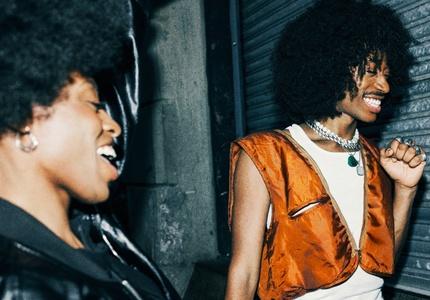
Punk, goth, rave, metal, jungle, grime: British youth subcultures have had an outsize impact on music and fashion worldwide. However, the Museum of Youth Culture casts its focus wider than the familiar litany of tribes. As its co-director Jamie Brett tells Broadsheet, not everyone has been part of a subculture – but everyone knows what it’s like to be young. “It’s biology,” he adds. “We all go through this moment where the hormones are racing; you want to get out of home and build a new life for yourself.”
The museum documents what it has been like to grow up in Britain over the last century, and it invites its visitors to keep adding to that story.
The foundation of the Museum of Youth Culture collection is an incredible archive of photos, dating back to the underground magazine Sleazenation, which documented London’s subcultural parties from 1996 to 2003, pre-camera phone.
When Sleazenation folded, its photo library continued under the aegis of the magazine’s publisher, Jon Swinstead, who housed the archive in his garden shed. He kept growing it to encompass new subcultures like grime and emo, and delved back as far as the postwar era, when Britain’s tabloids demonised emerging teenage tribes like teds, mods and rockers. In 2012, Brett joined as graduate archive assistant, and helped expand the collection to include thousands of youth artefacts: rave flyers and badges, Northern Soul outfits and band T-shirts, boomboxes and games consoles, often donated by the public or bought on eBay after years in attics and lock-ups.
For more than a decade, MOYC was a museum without a museum, moving its archive from place to place and staging pop-ups and events across London and the UK, including its latest major exhibition, I'm Not Okay: An Emo Retrospective at the Barbican Music Library.
Now, after years of anticipation and delays, it’s finally about to open a permanent home for both its archive and exhibitions. And what a home it is. Slotted into a new-build block by the Regent’s Canal, the museum has the functional, post-industrial cool of so many great party spaces.
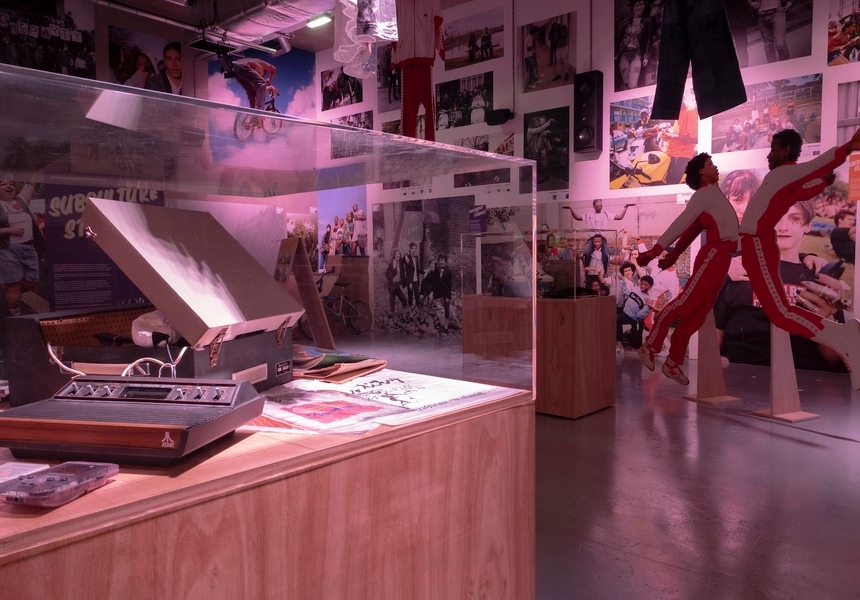
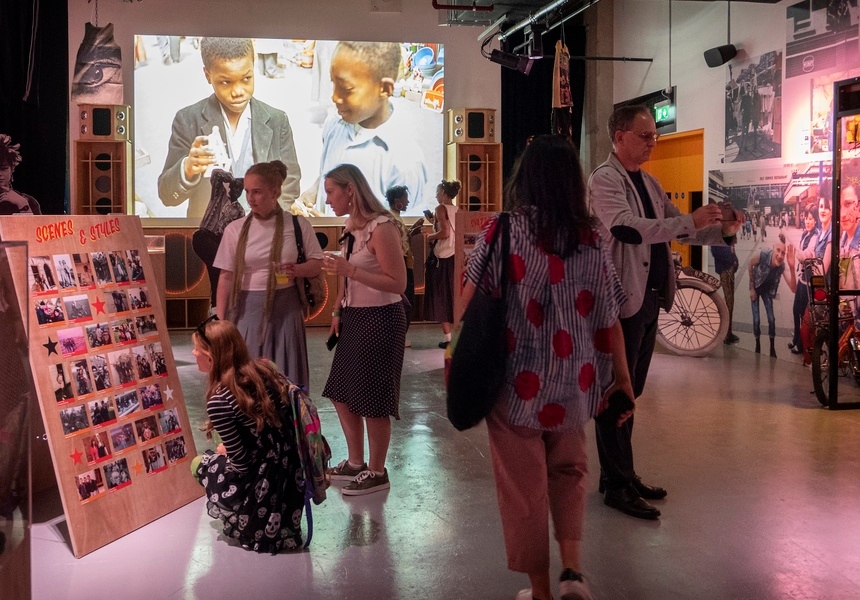
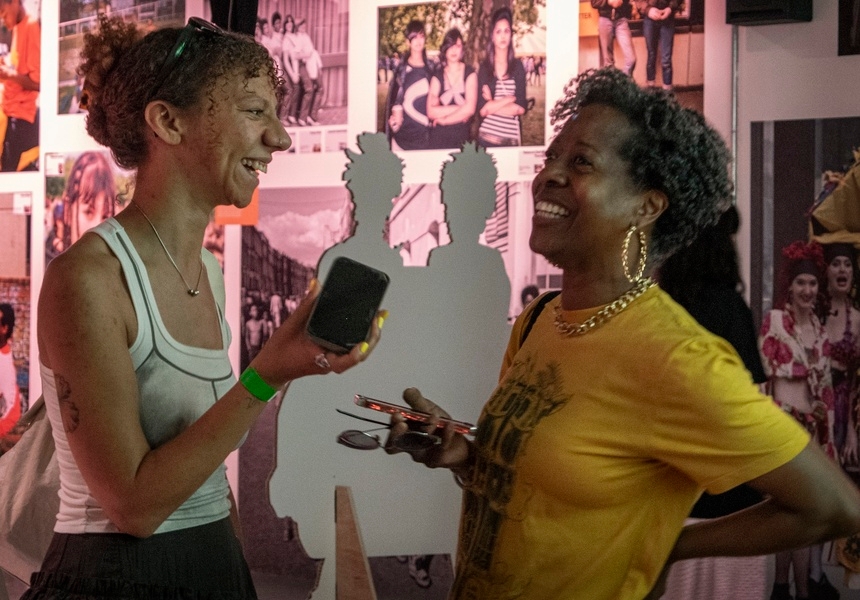
Step into the principal exhibition space in the building’s double-height basement and you’re hit with a joyful burst of colour and sound. The inaugural exhibition, Subculture Street Party, is a free-form celebration of teenagers in society. A huge screen plays vintage British Pathé footage of British youth over the decades, while the walls are plastered with blown-up images from the museum’s photo archive: everyone from punks, skinheads, breakdancers and ravers to kids just larking about in school uniform.
A phone box documents the culture of rural raves during 1989’s Second Summer of Love. A custom-built glass vitrine shows off flyers from the Batcave (the Soho club that launched a million goth nights) and ’70s rock gigs. Another is full of retro plastic bags from record shops, Walkmans, Discmans and first-gen iPods. Much of it is on public display for the first time.
There’s a banging soundtrack, naturally, played through a custom Monitor Audio set-up designed by artist, DJ and educator Linett Kamala to recall the iconic sound systems of Notting Hill Carnival. But there’s no big narrative, hardly any wall text – instead, it’s an energetic, immersive montage of teenage kicks. “We’re never going to be able to cover the whole story in this space,” explains Brett.
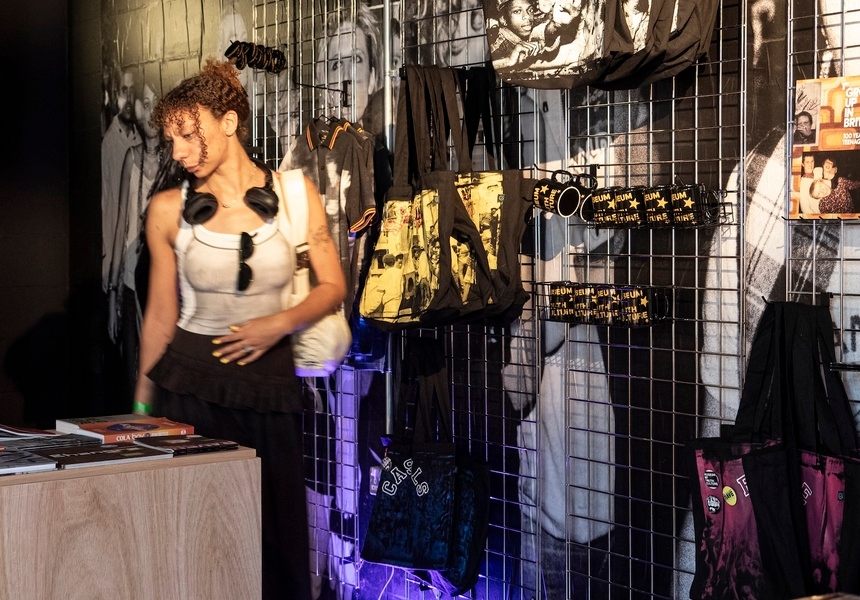
The museum’s ground floor is a shop and cafe-bar: an appealing, low-key hangout with squishy leather sofas, a vintage photobooth and a library of subcultural books to flick through over a coffee (or a Two Tribes beer, brewed nearby). As well as MOYC merch and an edit of subcultural photobooks, the museum shop stocks vinyl records curated by Rough Trade.
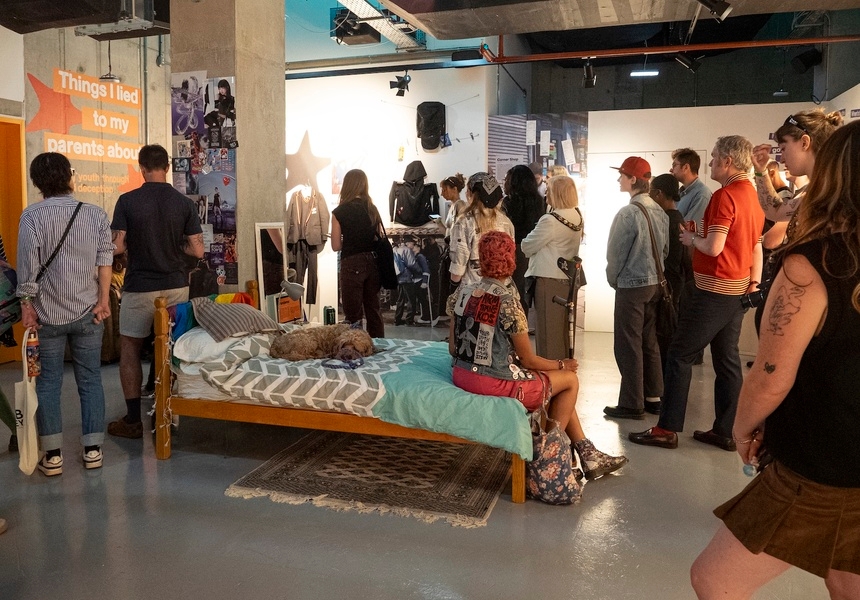
A smaller second exhibition space known as Youth Club is the hub for the museum’s youth work, giving young people professional experience as well as documenting teen cultures that are evolving ever more rapidly in the Tiktok era. This space is also currently dedicated to the lies (big and small) that teenagers tell their parents; one highlight is a display of photographer Tim Smith’s pictures of “daytimers”: underground afternoon parties that let bhangra-loving teenagers in ’80s Bradford avoid strict evening curfews. Throughout the museum, it’s clear that Britain’s youth culture has always been as multicultural and multiracial as its young people – and just as creative and determined.
Open until 8pm five days a week, the museum is designed to be a blank canvas for creativity and fun, with film screenings, parties, markets and fairs all on the cards. With a 20-year lease, an archive of 100,000 items to display and new generations of young people to invite through the doors, this is a museum that’s dedicated as much to the future as the past.
The Museum of Youth Culture opens at St Pancras Campus, 51 St Pancras Way, NW1 0PZ on Saturday June 20. Entry is free, with booking recommended.