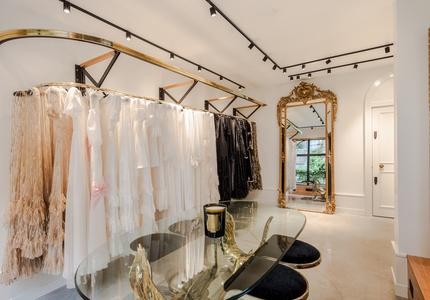
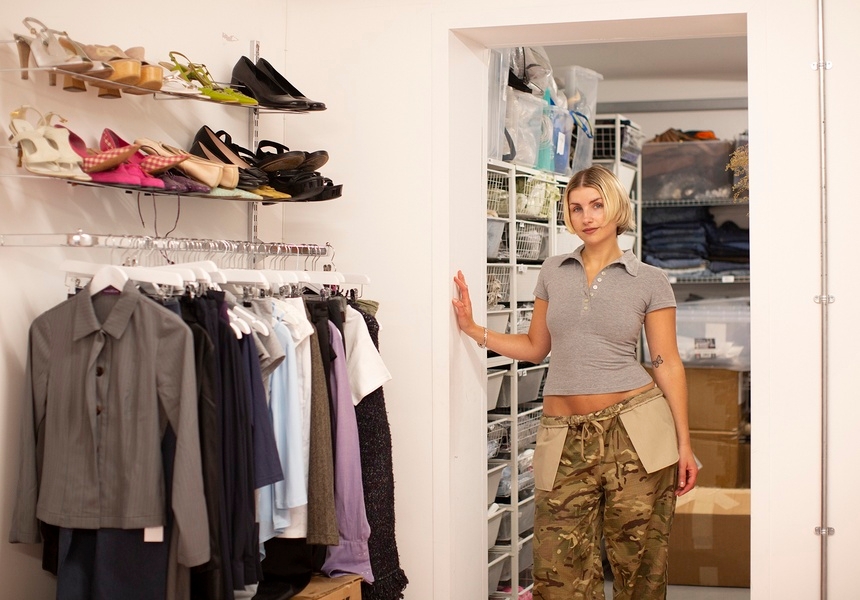

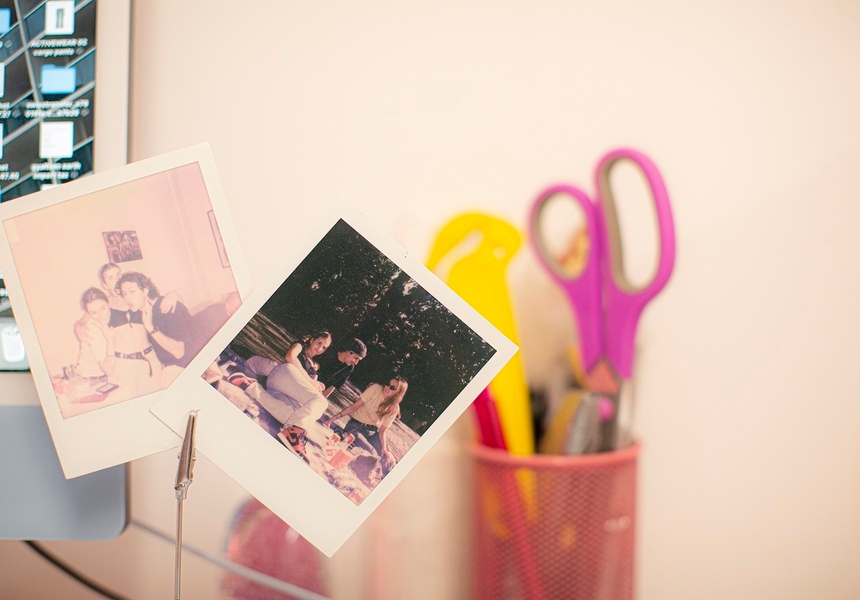
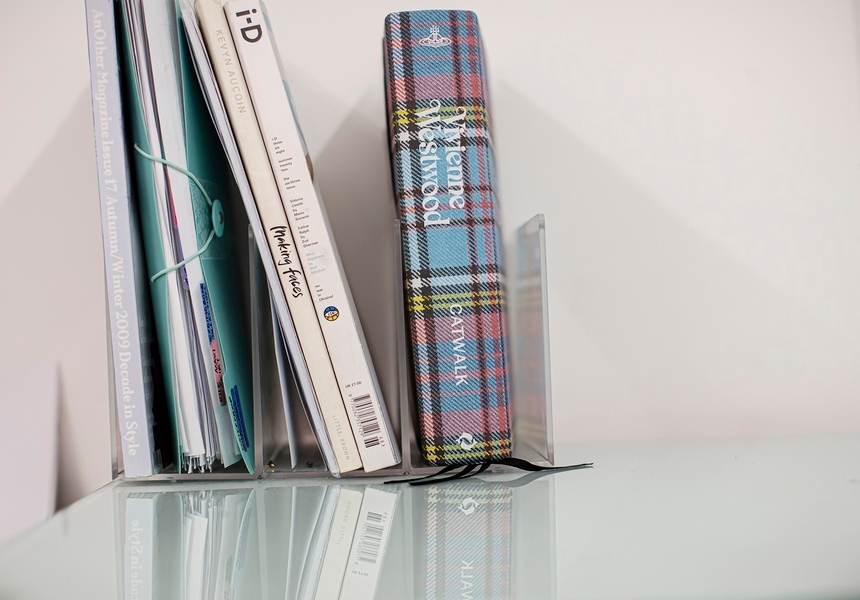
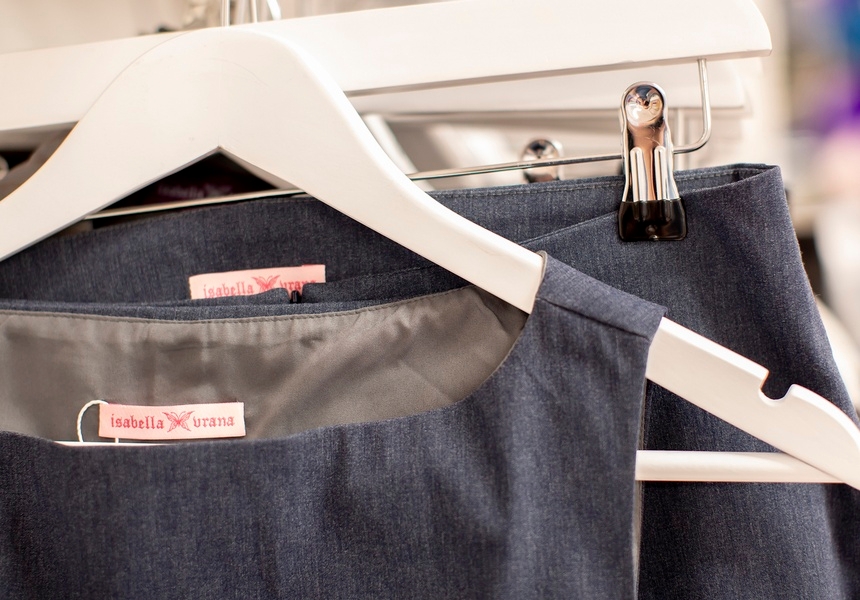

On a quiet stretch of Shoreditch just beyond the chaos of Brick Lane, Isabella Vrana has built 128 London, the kind of shop that feels increasingly rare in London. Scattered throughout are objects that make it feel like you’re in Vrana’s bedroom: pairs of Vibram FiveFingers shoes, bottles of Discotheque fragrance, stacks of vintage Vogues, and freshly potted flowers. Between them sit Vrana’s latest designs – stretchy sportswear-inspired tops, grey marl capri leggings and a bright pink-and-purple wall of her now-signature Hooked Top.
A baby-pink floor cuts through the stark, warehouse-like space, softened by rails of multicoloured tops, worn-in denim and chunky handbags.
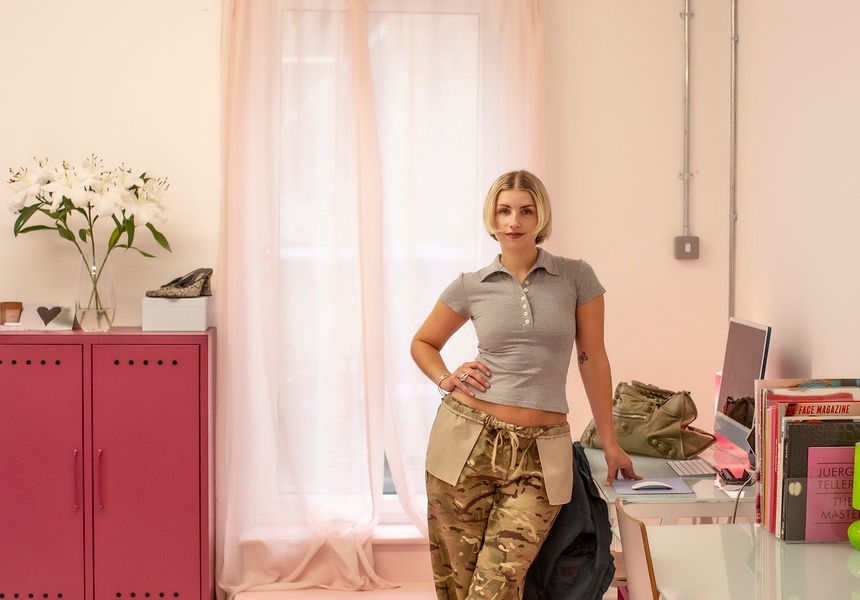
Above 128 London, Vrana’s studio is a flurry of sketches and samples and rails of vintage sportswear for her next Instagram Live sale. When Broadsheet visits the studio to interview her, she's dressed in Fruity Booty’s metallic bloomer mini shorts, a black ’90s tank, Tabi ballet flats and chunky Wag-style sunglasses, trailing through the space and up to the rooftop, where she reclines in the sun and talks decisively about her design ideas and how she built a business by trusting her own taste.
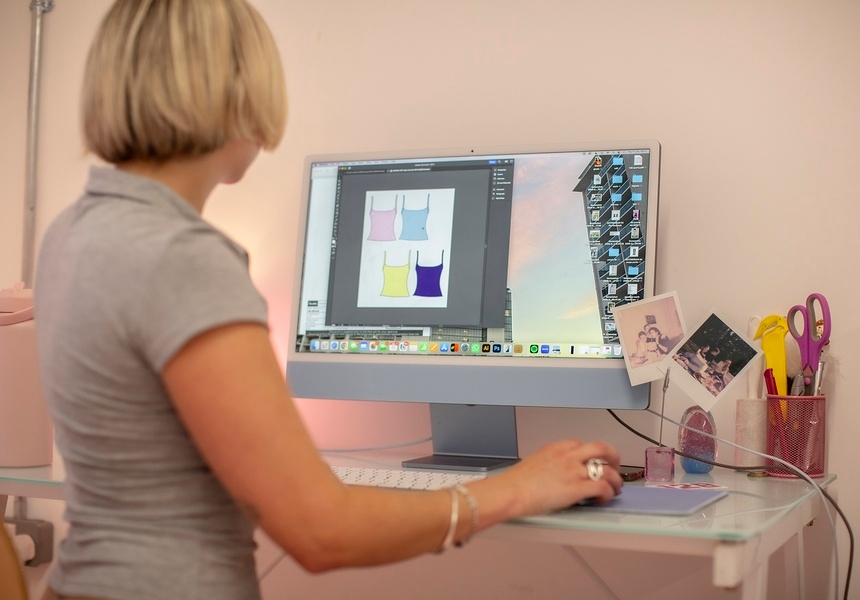
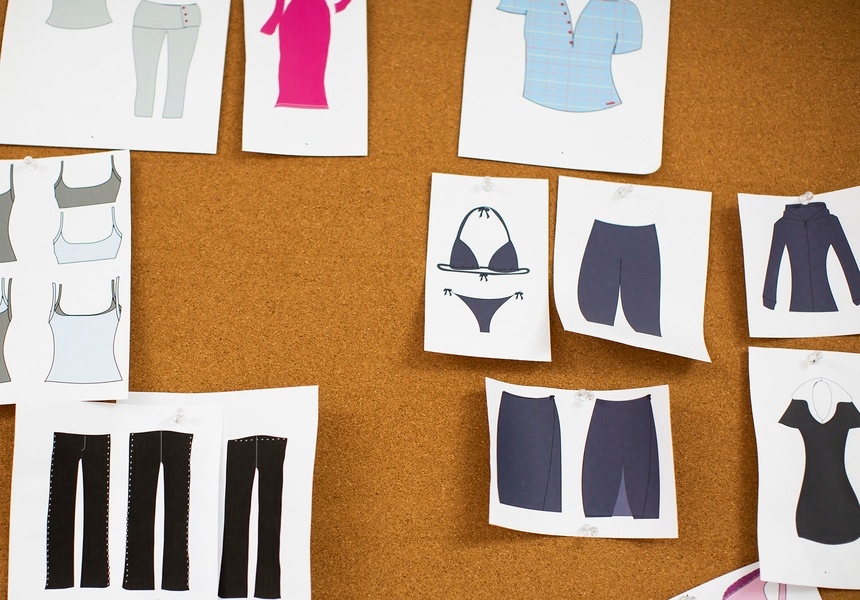
Unlike many emerging designers, Vrana never came through the traditional fashion school pipeline. She started selling vintage on Depop while studying French and Italian at UCL and spent years developing an encyclopaedic understanding of what women actually wear. “If you’re not technically trained and you don’t know how you’re expected to do it, then you just do it completely intuitively,” she says. That instinct-first approach still shapes the brand. Vrana skips overly complicated tech packs, designs from memory and builds collections around gaps in her own wardrobe. “If I’m like, ‘I really want satin trousers, I can’t find any,’ I’ll just make them,” she laughs.
It’s also what made her Hooked Top such a phenomenon. Originally designed simply as a long-sleeved top fastened entirely with hooks from cuff to cuff, the multi-way functionality was discovered almost accidentally during a shoot. “We were styling it and then realised you could unhook it all the way,” she says. “We made a video, and it went viral.” Nearly two years later, the top still circulates constantly across east London and Tiktok alike – worn as a halter, off-the-shoulder top or bandeau depending on the night.
What makes Vrana’s designs resonate is that they never feel trend-chasing, even when they become trends themselves. Her references pull heavily from ’90s and early ’00s fashion, though interpreted through a contemporary lens. “I like the simplicity of everything,” she says of the era. “High-quality simple garments that just work really, really well.”
In Vrana’s world, stretch dancewear fabrics become evening separates and activewear is designed to move seamlessly between the gym, airport and a night out. “I don’t think it makes sense to have one top for one purpose when it could be much more than that,” she says, emphasising versatility, both stylistically and financially. “It makes more sense to buy one top you can wear loads of ways than 10 separate tops.”
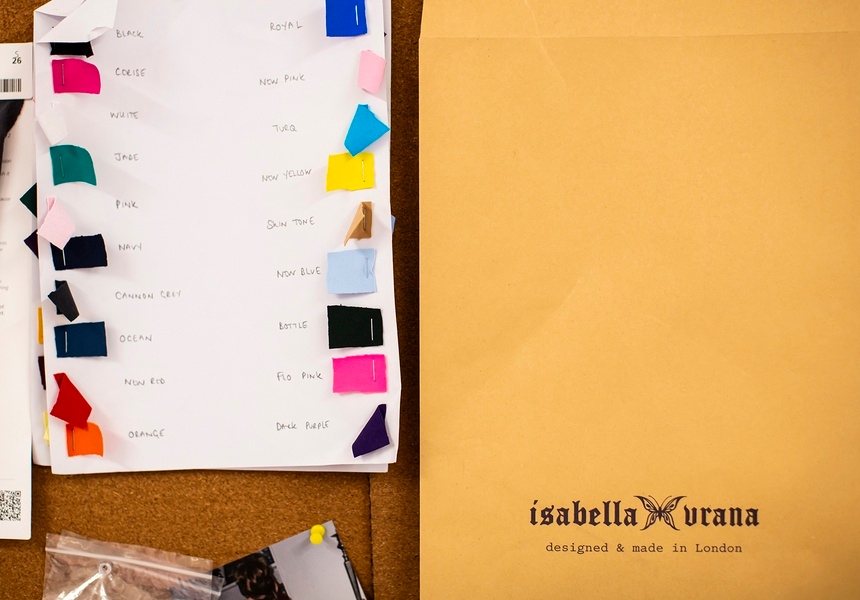
That same sense of thoughtfulness extends to production. Almost everything is manufactured locally in London, partly for ethical reasons and partly because Vrana likes being physically connected to the process. “I just love being part of a community,” she says. “I like knowing my factories and being able to go see them whenever I want.” There are plans for a second shop, and for international expansion – but Vrana is keen to ensure that she remains as close to the garments as possible. After years of sourcing vintage, she says she has become convinced that garments carry energy.
“I’ve found vintage pieces with lipstick in the pocket or travel cards left inside,” she says. “I really believe in the transfer of energy and clothes going to good homes.”