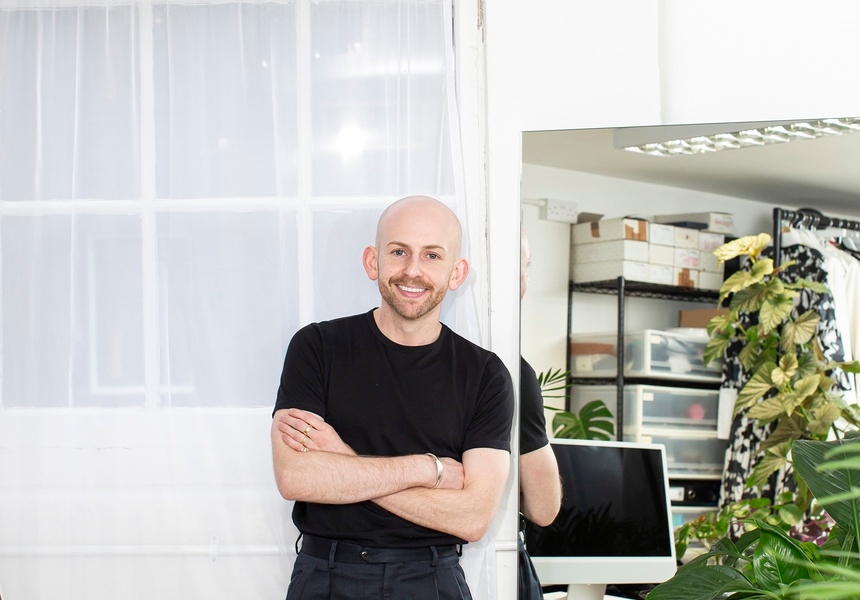
Patrick McDowell has a simple goal. “We’re in the business of making women look as beautiful as they can,” they say. “I think that’s something we could all do with more of – making people feel beautiful.”
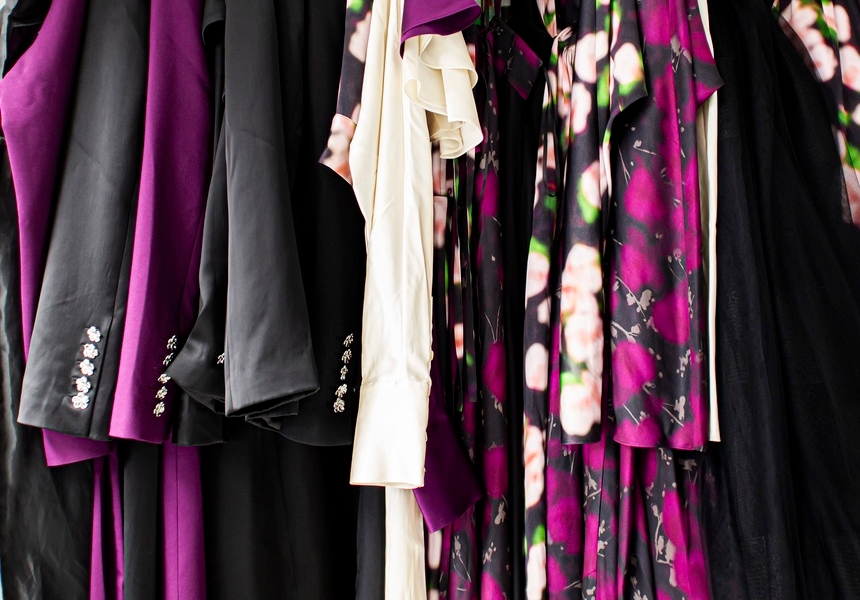
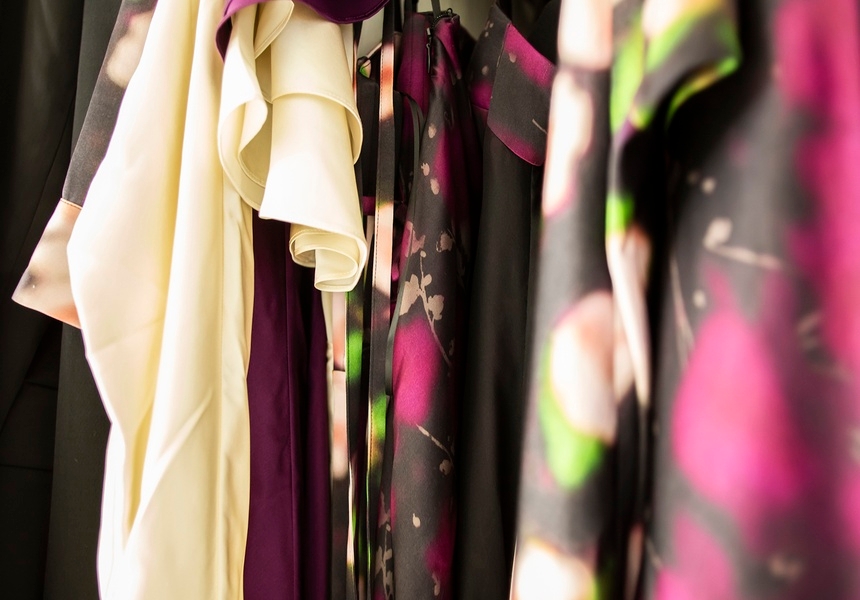
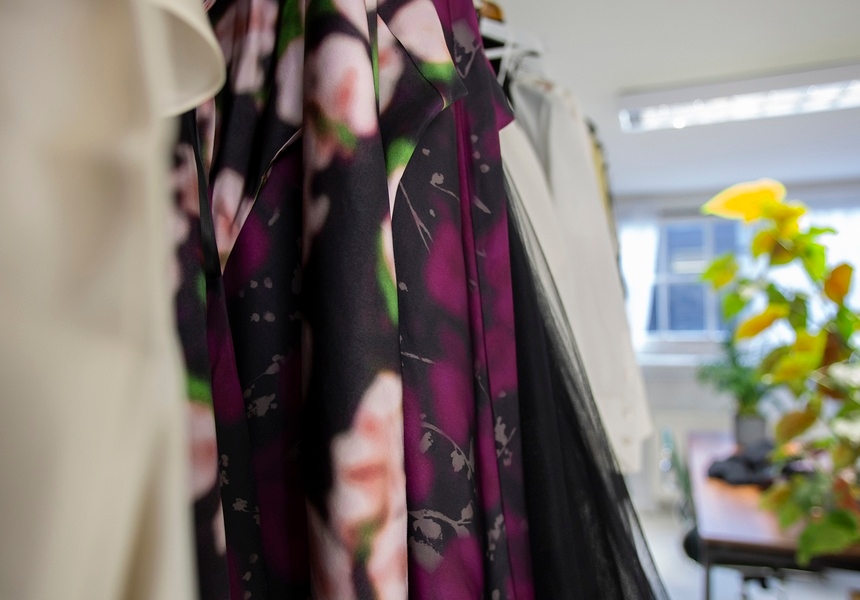
The London-based Liverpudlian fashion designer is one of the industry’s buzziest names. Using reimagined materials, they create feminine, innovative designs with a dash of Dior glamour as well as Erdem romance. Throw in a hint of McQueen scrappiness and tenacity, and you have an idea of McDowell’s style.
Last year was a big one for them: in May, they were given the Queen Elizabeth II Award for British Design, an annual accolade awarded by the royal family to an emerging fashion designer with a commitment to sustainability. They joined previous winners Richard Quinn, Rosh Mahtani of Alighieri and Ahluwalia’s Priya Ahluwalia. Later that month, Sarah Jessica Parker wore a custom Patrick McDowell floral skirt and shirt in And Just Like That. And in September, after years of running a solely bespoke business, McDowell presented The Lancashire Rose, their first ready-to-wear collection, at London Fashion Week. It was received with much fanfare from the fashion press.
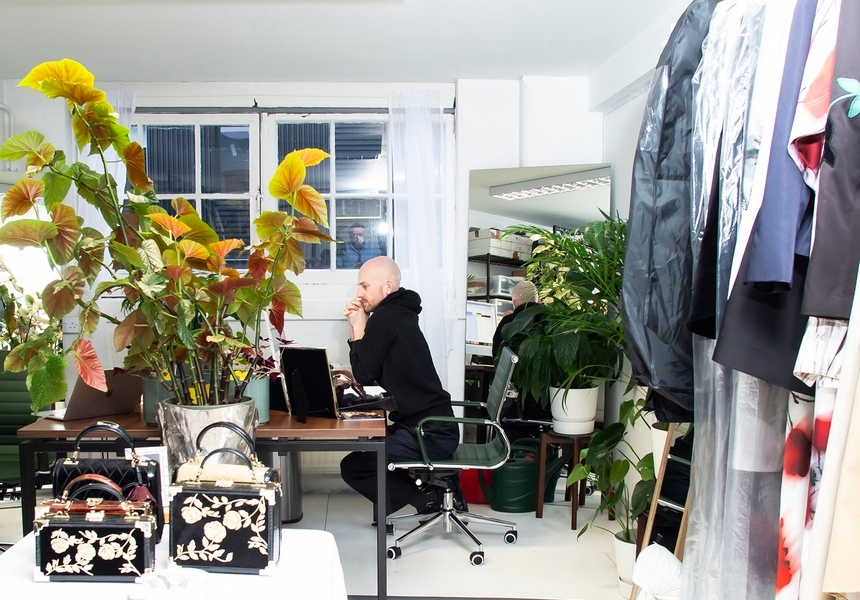
“The Queen Elizabeth II Award was an incredible seal of approval,” McDowell says from their studio just off Caledonian Road. “The business was challenged by Covid and Brexit, and trying to work sustainably had been very hard. We were struggling, but the award put a real spotlight on what we were doing and associated us with the royal family, which has been very powerful for the brand. Fashion is an industry based on fanfare and noise, and if you look at our revenue, it’s been like night and day since.”
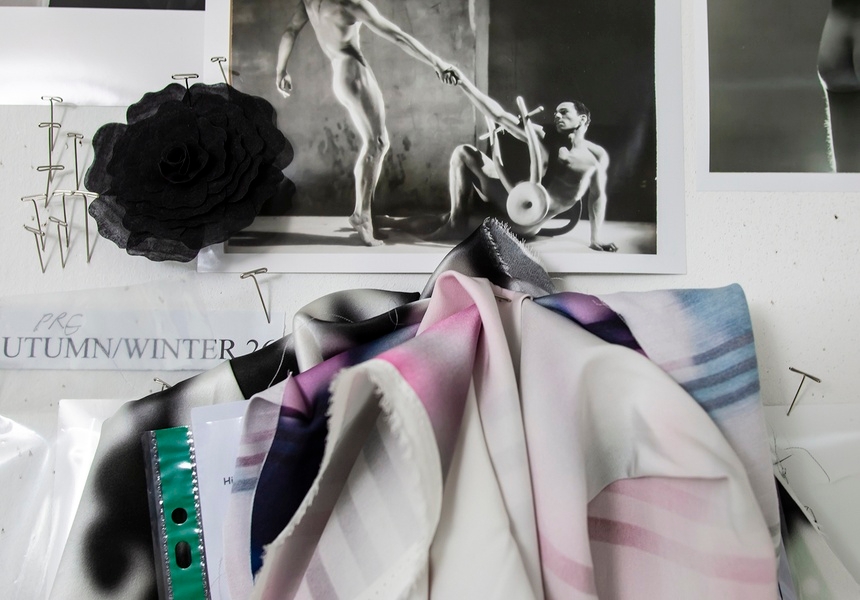
This year is destined to be just as big. Later this month, the brand will show its autumn/winter 2026 collection at LFW. It’s inspired by the work of George Platt Lynes, a Vogue photographer in the 1930s and 1940s, whose gift for capturing the male nude form has only recently been acknowledged alongside his commercial work.
To say McDowell has a longstanding commitment to upcycling and sustainability is an understatement. At 13 they began turning unwanted materials into bags and selling them at school. With the support of their high school art teacher Ali McWatt, McDowell secured a place on Central Saint Martins’s prestigious BA (Hons) Fashion Design: Womenswear course. It wasn’t an easy ride, and they worked three jobs at the same time. Eventually, they landed a paid placement at Burberry and a scholarship from the British Fashion Council that enabled them to finish their degree.
“London has completely shaped who I am as a designer,” they say. “I found my voice here. I was talking to someone recently about why so many major cities have miserable weather. We don’t go to these places for the sunshine; really we go for the people, the melting pot. It’s people that give you a place to be, to reinvent yourself, or feel comfortable or uncomfortable, and maybe grow. You can be so many types of person here. There isn't anywhere else in the country that has this many galleries, designers and businesses where things just happen. That energy of everyone doing this all together is very thrilling.”
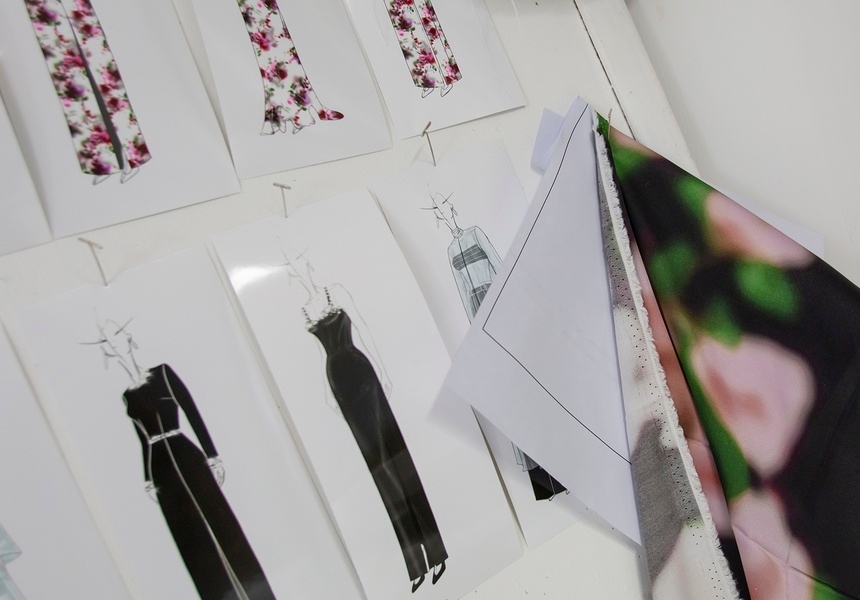
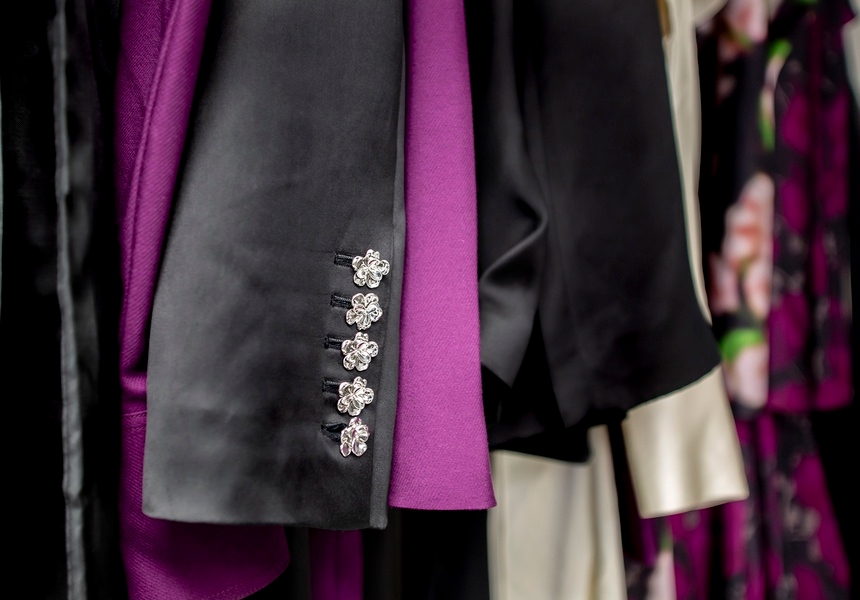
The bedrock of McDowell’s business is sustainability, and a dedication to reinventing preloved materials and objects. They make corsets and skirts from trench coats, red carpet-worthy gowns from vintage damask, and bridal looks from reimagined wedding dresses. A limited number of each piece is made, and many are only made to order, to avoid creating dead stock. The label also offers a refit service that updates garments as the wearer’s body changes over time. Each piece is sent to the customer with information around the provenance of the fabric and where it was made. In McDowell’s spring/summer 2026 show, they used vintage solid silver thimbles as embellishment, referencing their grandmother, a fabric weaver who taught them to sew.
“It’s about creativity,” they say. “I think in the past, a big fashion house might have found those vintage thimbles but then made a cast of them and made their own, whereas I think, ‘Why not just use the originals?’ That way, they can all be beautifully different.”
Brides in their thirties form a chunk of their customer base. They gravitate towards the designs, rather than the environmental story behind them – though McDowell has made several gowns incorporating fabric from the bride’s mother’s wedding dress.
“You wouldn’t know that our wedding dresses are made from upcycled fabrics,” they say. “They just look beautiful, and then it’s that nice story that you can tell at your wedding day. Our clients come to us not because of what the clothes are made of, but because they’re beautiful. The beauty is that we show that first. That’s the designer's role in all this – to show that sustainability can be amazing, and then you can tell that story afterwards.”