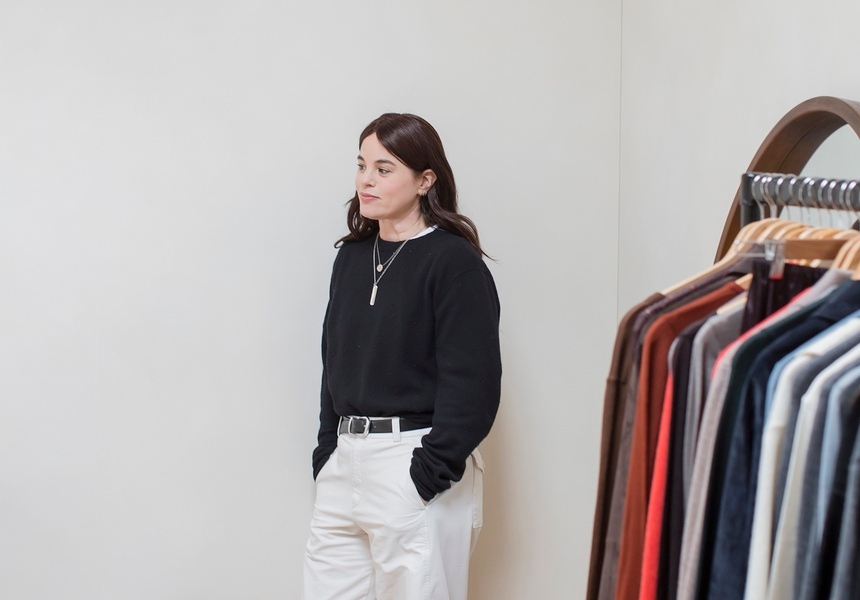
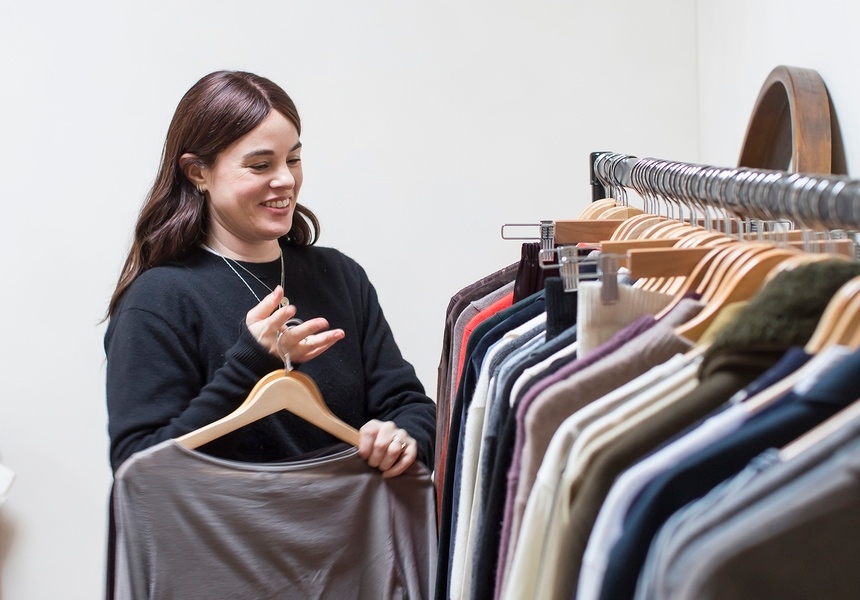
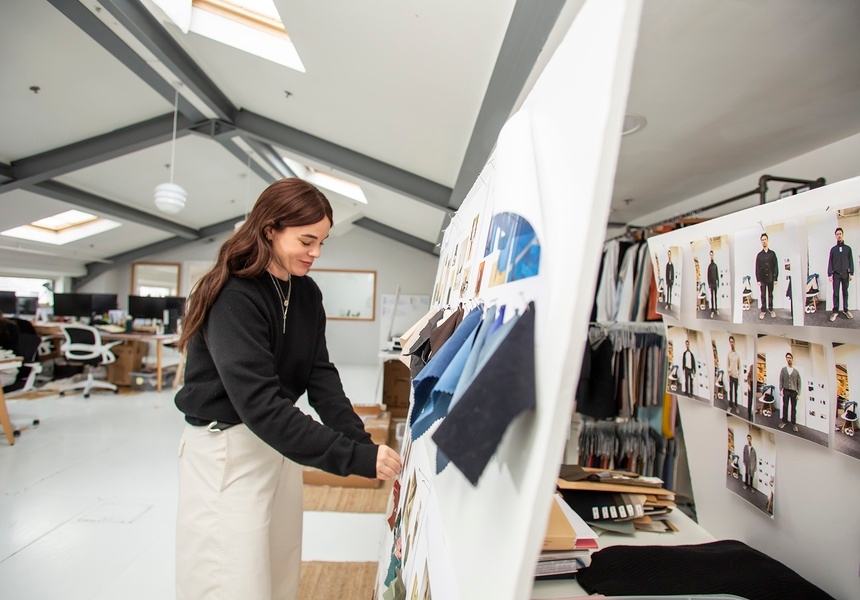
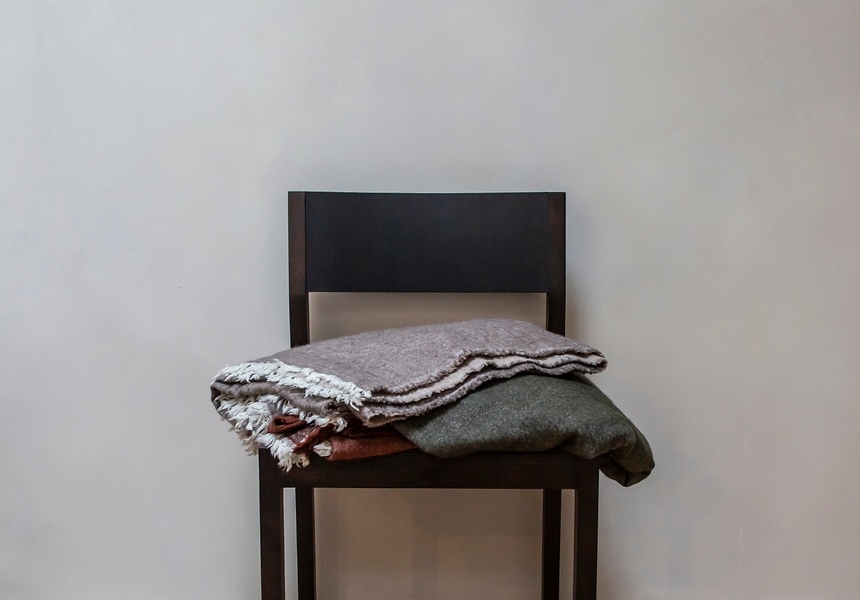
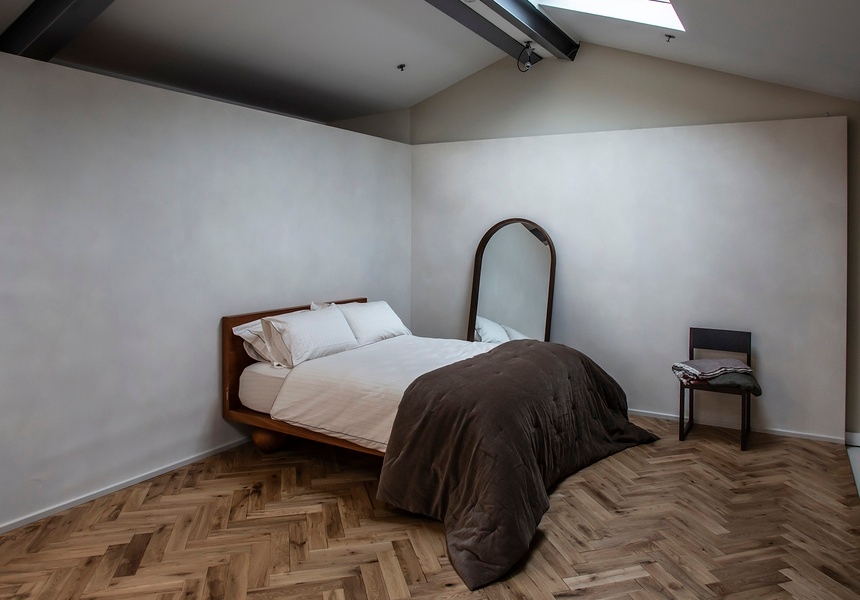
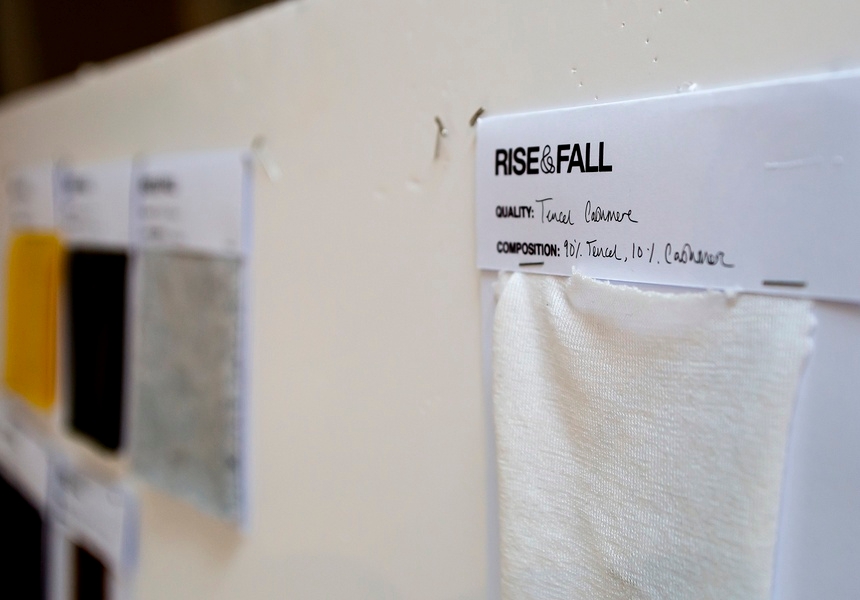
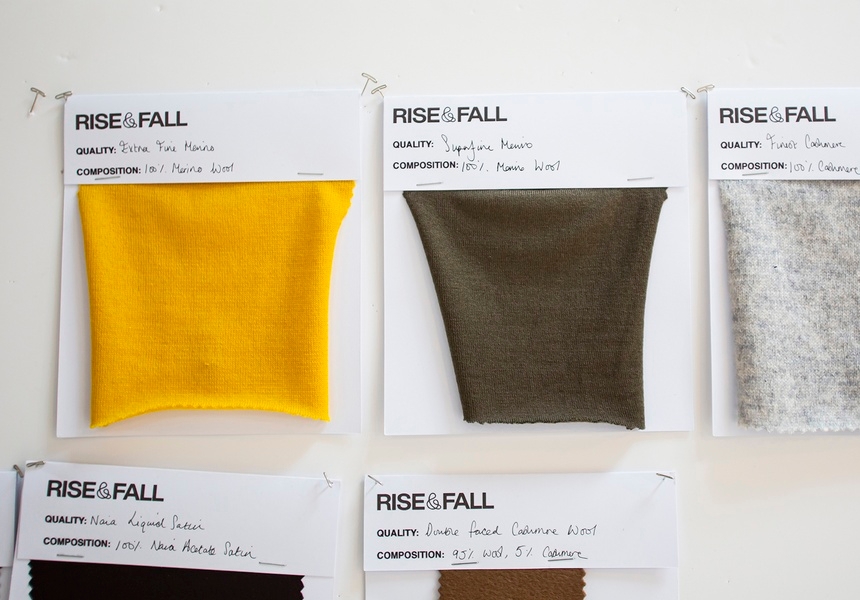
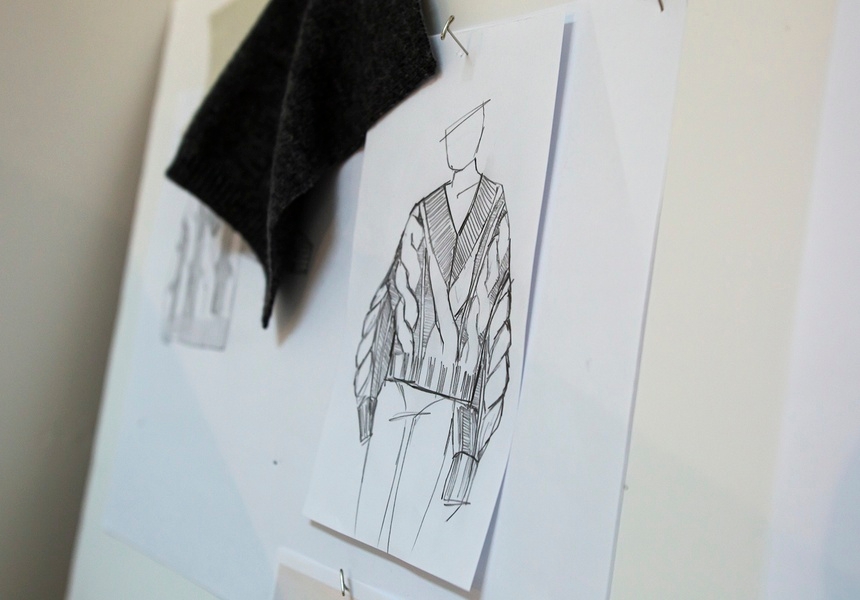
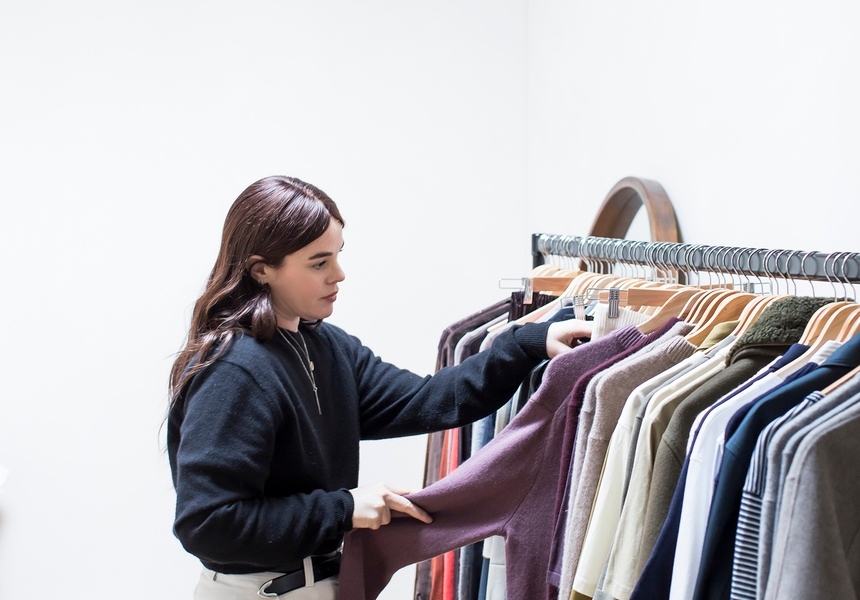
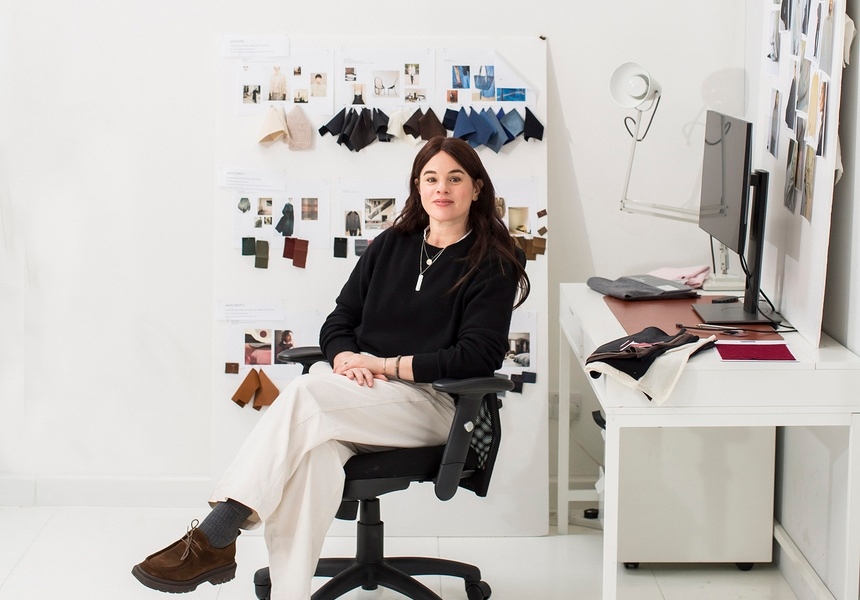
When Natalie Hasseck joined Rise & Fall as creative director three years ago, she was given a challenge: what unites sheets and ready-to-wear? What common thread could be found between the brand’s cult bedding and the clothing line its founders dreamed of launching? The solution was quality materials. Whether crisp, cool cotton pillowcases, or feather-light cashmere knits, Rise & Fall takes its fabric very seriously. It makes pieces that not only look expensive, but feel expensive, too.
“We’re about high material integrity,” says Hasseck from the company’s west London studio. “We will absolutely not work with plastic in any of our blends. Our fabrics are incredible, and that, coupled with our price integrity, speaks to the fact that we’re an honest, direct brand. We’re really, really analytical and very careful with the products we bring into this world, because we just don’t want to leave anything to waste. The idea of stuff going to landfill or landing in TK Maxx is just horrifying to us. Every product decision is quite intense.”
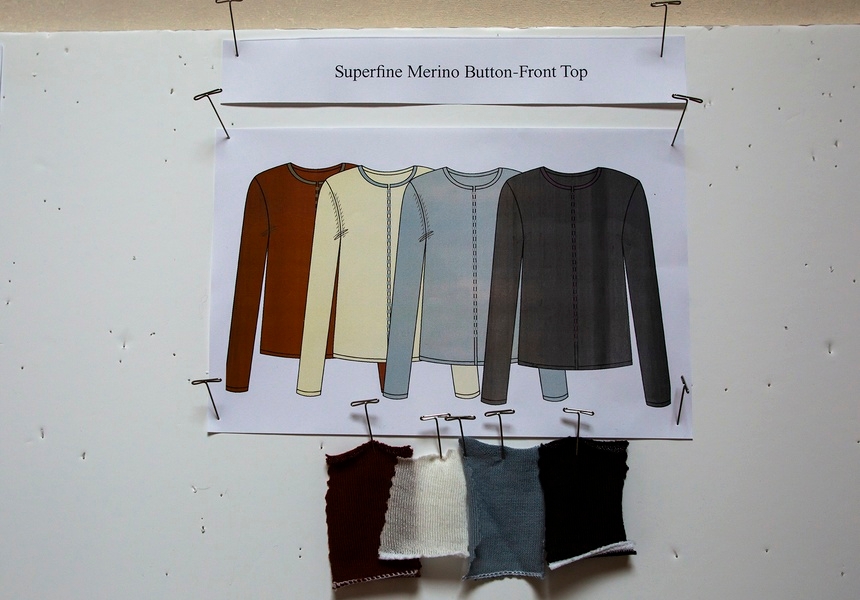
Rise & Fall was founded in 2018 by New Zealand-born, UK-based entrepreneurs Jed Coleman, who started Caravan Restaurants and Caravan Coffee Roasters, and William Coulton, a former management consultant. It began as a bedding brand, and found attention after its fitted sheet went viral because it did what all the brand’s products strive to do: make life easier. It comes with labels indicating the short sides and long sides of the sheet and an extra grippy elastic. Duvet covers have ties in each corner to make slipping your duvet inside seamless. Similar attention to detail is given to its clothing line, which was launched in 2023. Everything falls into the elevated basics category; unshowy classics with a quiet confidence. Necklines are carefully considered, and long fibre blends reduce bobbles. Its micro bandana is designed to be the perfect throw-on piece during cold weather. “They can be luxury problem-solvers, but they’re still problem-solvers,” says Hasseck.
Rise & Fall’s understated ready-to-wear line is largely made in the same factories as luxury household names, but at half the price thanks to a direct-to-consumer business model and its try-and-test method, which sees the company launch small runs of products, scaling up only when it can prove the demand is there. The gap in price between its products and other brands’ is a point of pride for Rise & Fall, which lists comparisons with other brands on its website. For example, its double-faced cashmere wrap costs £240, compared to a similar version at Hermès for £1150. An organic cotton duvet that would set you back £244 at The White Company starts at £110 at Rise & Fall. While many of us will still need to save for the brand’s homeware, bedding or apparel, it’s still a marked difference to its luxury counterparts.
“We are shining light on the reality that people are paying inflated prices for lesser products with big logos supported by big celebrity-backed campaigns,” says Hasseck, whose CV also includes Mario Testino, Topshop and Adidas.
Next up for the brand is greater expansion into homeware – top-of-table items such as plates and cutlery, and its own olive oil made in carefully vetted groves in Malaga. A bricks-and-mortar store is in the pipeline, too.
“We refer to ourselves as the ‘department store of the future’,” says Hasseck. “Our generation is so busy that we just want to go to one place where you’ll find onesies for your kid, white T-shirts for your husband, maybe a stack of fresh towels, and potentially some utensils for the kitchen. Whatever it is, if you buy those things at our ‘department store’, you know that it's been made in really great factories where the workers are protected and they’re being paid a fair wage. You’ll know that the materials are brilliant and they’re going to last. Also it’ll be a slightly chic experience. That’s our vision.”