The Counter is a weekly column from award-winning restaurant writer and broadcaster Jimi Famurewa. Sign up to get The Counter first, sent to your inbox every Tuesday.
Hello there.
Now and again, a particular concept will spread through London’s dining scene like an unstoppable contagion. Chophouses. Rotisserie chicken joints. New wave Irish pubs touting spice bags and rigorously poured pints of Guinness. When the market moves, restaurateurs and bar owners tend to move with it. Which translates to a landscape where certain modes of eating and drinking shift very suddenly from novel obscurity to becoming almost the business equivalent of a Uniqlo cross-body bag – the kind of unashamedly ubiquitous accessory that everyone wants to put their personal spin on.
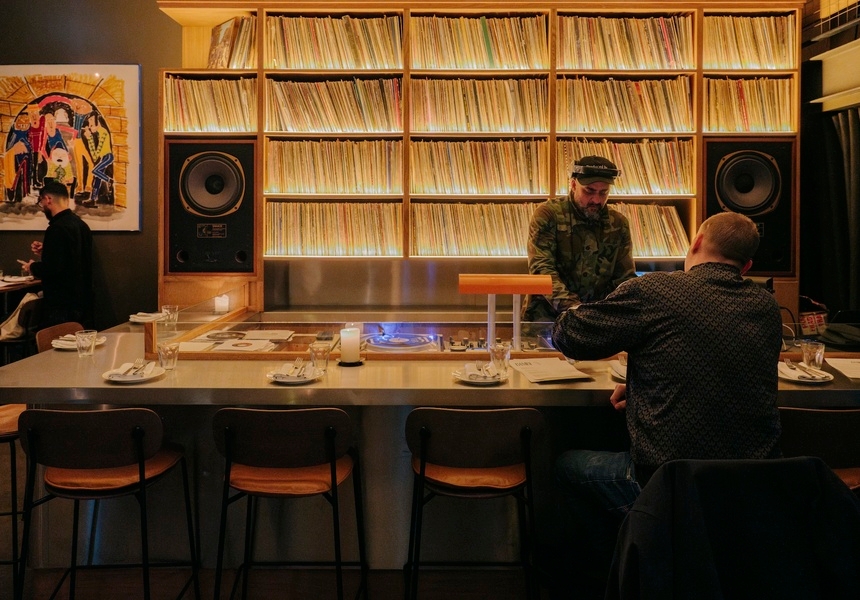
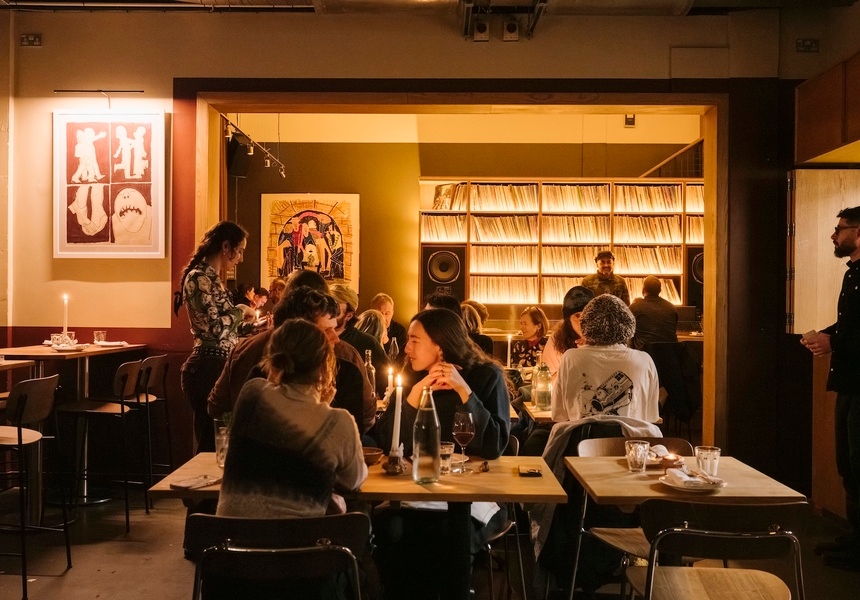
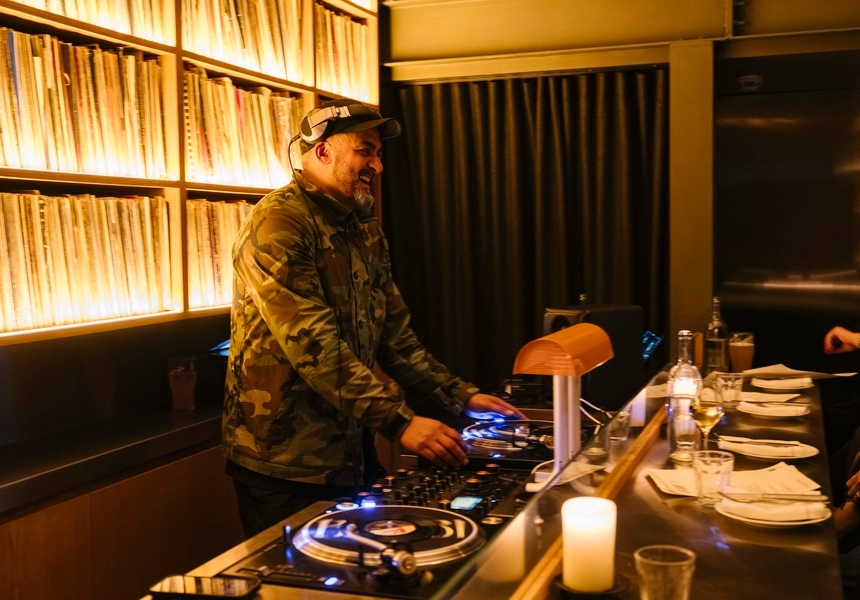
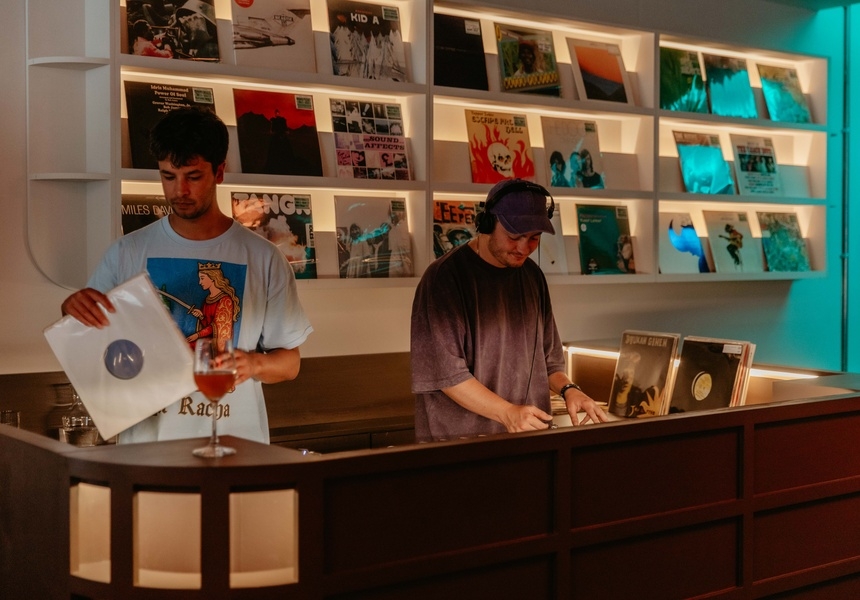
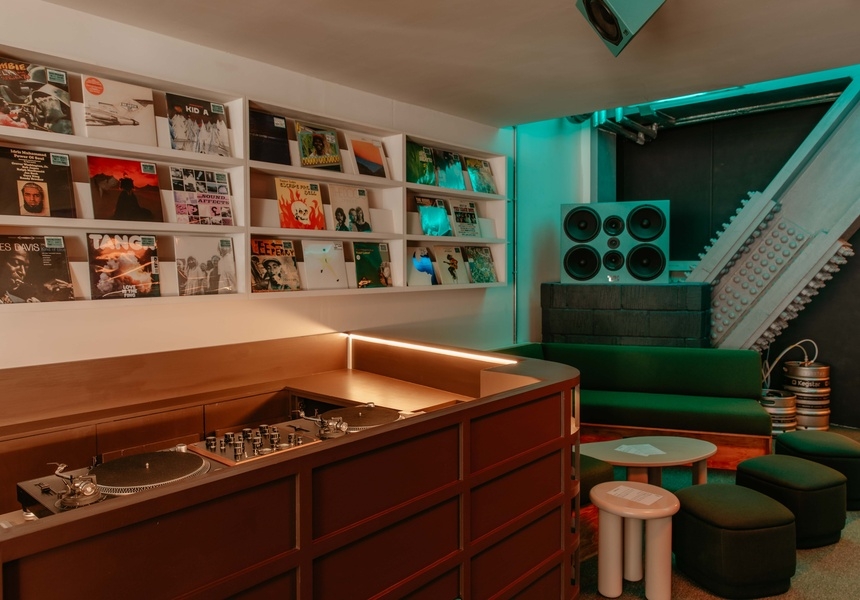
Nothing exemplifies this tendency like the listening bar: a broad, catch-all term for the audio-focused, generally vinyl-only spaces that have sprouted all over the city in the past decade or so, and taken an aggressive hold in the past 18 months. Inspired by Japanese jazz kissa culture (the movement of mid-century cafes and bars where young jazz obsessives would gather to appreciate rare, imported records), listening, hi-fi and record bars have locked into a particular aesthetic style. Expensive custom sound systems and low lighting. DJ booths flanked by decorative walls of rare, racked vinyl. Progressive, serious cocktails and small plates that tend to be East Asian-influenced (although, at Sova, a forthcoming vinyl bar reboot of Zima in Notting Hill, the menu has an intriguing Slavic accent).
Their sudden rise prompts some reasonable questions. Why is there suddenly such a mania for them? How do we actually define what constitutes a listening bar and what doesn’t? And is it okay to be a little sceptical of a bar where the music is apparently deployed to inspire chin-stroking reverence, rather than wild, floor-filling abandon?
“I think the term has been a little overused,” says Mark Gurney, record industry veteran, DJ and founder of audio-forward Peckham bistro Levan. “If you go back to the Japanese kissa bars, they were [about] people getting quite deep and nerdy about speakers, record decks and perfectly collected vinyl collections. Now, it’s kind of like, ‘Oh we’ve got a pair of speakers and a record player so we’re a listening bar.’”
In the view of James Dye – founder of raucous London Fields record bar and restaurant Bambi – this distinction is key, yet it’s also a reflection of how the capital has taken an imported concept and given it a new, distinctly London looseness.
“The formative listening bars in Tokyo are all quite serious places to drink whiskey and listen to jazz,” he says. “I was more influenced by the European approach, in cities like Lisbon, Paris and Naples, where they blur the lines between a bar, restaurant and club.” This three-in-one approach brings an ease that’s related to the resurgent popularity of dining pubs. Yet, a big part of the vinyl bar’s appeal, especially in the age of frictionmaxxing, is that it brings human intervention, expert curation and personality to an aspect of the dining experience that can increasingly be characterised by cold, algorithmic ease or asking Alexa for “chill Sunday tunes”. As Gurney notes, the move to these sorts of spaces, is really a reaction to restaurants “playing the same quite boring Spotify playlist over a crappy PA”.
More than ever, restaurants and bars need to give us a reason to put on shoes and seek out an experience that we cannot replicate at home. This variable category of hi-fi-focused bars is basically taking the approach in other aspects of the business – the vast library of spirits, bitters and mixers behind the bar; the specialist equipment and skilled chefs in the kitchen – and extrapolating it to the music offering. In my experience, any jadedness or listening bar fatigue does not really survive contact with a clandestine, beautifully curated room, where the cocktails are well-mixed, the food is better than it needs to be, and the mellifluous, enveloping warmth of a sound system blaring obscure soul is its own sort of intoxicant. So here, then, is a highly personal run-down of some of my favourite record bars. If you see me on the dance floor at any of them, scream-singing to LCD Soundsystem with a Margarita sloshing in my hand, then, well, please do the decent thing and keep it to yourself.
Bambi
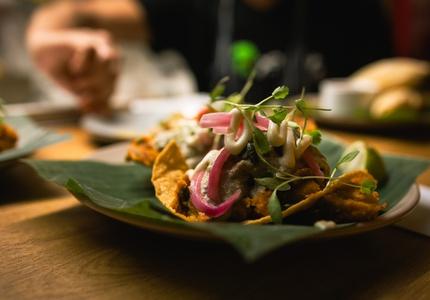
Few things are as much of a restaurant world flex as knocking through to expand into neighbouring premises. So when this none-more-London-Fields record bar and small plates spot recently did just that – more than doubling in size and adding a 16-seater mezzanine – it rightly made plenty of people sit up and take notice. It is not a place for sedate, listening bar-purists (see the tables that literally gird the DJ booth). But the improvised dance floor, nightly DJs and 1am closing time on weekends belie the confident adventurousness of new chef Jamie Thorneycroft’s bold, freewheeling menu. Devour chalk stream trout tostadas and rosy lobes of picanha steak in a zinging cowboy butter, marvel at the queue of east Londoners that starts forming around 11pm, and don’t be surprised if imitation Bambis are gambolling into other London postcodes before too long.
New Forms
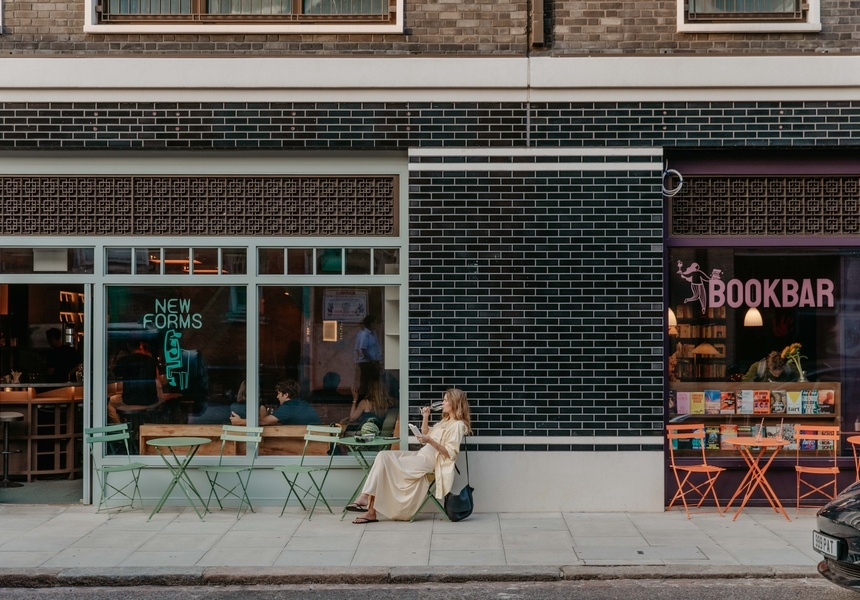
That the futurist swoop of this listening bar and workspace – the brainchild of the team behind Next Door Records – is in Chelsea, just off the Kings Road, feels like a strange glitch in the matrix. Really, alongside the west London branch of excellent literary hangout BookBar, it is just an attempt to cultivate a “creative quarter” in a part of town that many Londoners still wrongly regard (or rather dismiss) as socially staid Red Trouser Country. Is New Forms a sign that Chelsea has got its groove back? I don’t know about that, but its mix of rich, studio-level sound, moreish olive oil Negronis and snack plates of Catalan toast is genuinely special and schlep-worthy.
Space Talk
Look, I am not one to dole out romantic advice (that comes with the territory when your last significant courtship involved MySpace as a primary communication tool). But if I was in the business of recommending date ideas, then I would send people towards this Farringdon spot. Set a short walk from the original St John, it has a low-slung 1970s conversation pit vibe, a luxuriantly rich, textured sound system (conceived by in-demand specialist Friendly Pressure) and influencer-bait bathrooms bathed in a low, Brat-green glow. Go for the sushi menu, black sesame ice-cream affogatos and bergamot-muddled vermouth cocktails. Stay for the late-night dance floor and a weekend licence that can run to 2am or even later.
Jazu Bar
Credit must be given to hi-fi bar originators like Brilliant Corners and Spiritland, who first brought the formula of teetering speaker stacks and elevated dining and drinks to east London in the early 2010s. I always think something like this is far easier to mount in places like Dalston and Shoreditch. That Jazu – a cocktail bar, listening space and increasingly vital incubator kitchen for some of London’s most creative young chefs – has made this formula work on Deptford High Street, amid a ragged atmosphere of betting shops and butchers, is doubly impressive. The eclectic roster of DJs rolls through until 3am at weekends. And the espresso Martini, made with cold brew and tonka bean liqueur, is anything but vanilla.
For Jimi Famurewa’s dish of the week, sign up to get The Counter first, sent to your inbox every Tuesday.