The Counter is a weekly column from award-winning restaurant writer and broadcaster Jimi Famurewa. Sign up to get The Counter first, sent to your inbox every Tuesday.
Hello team.
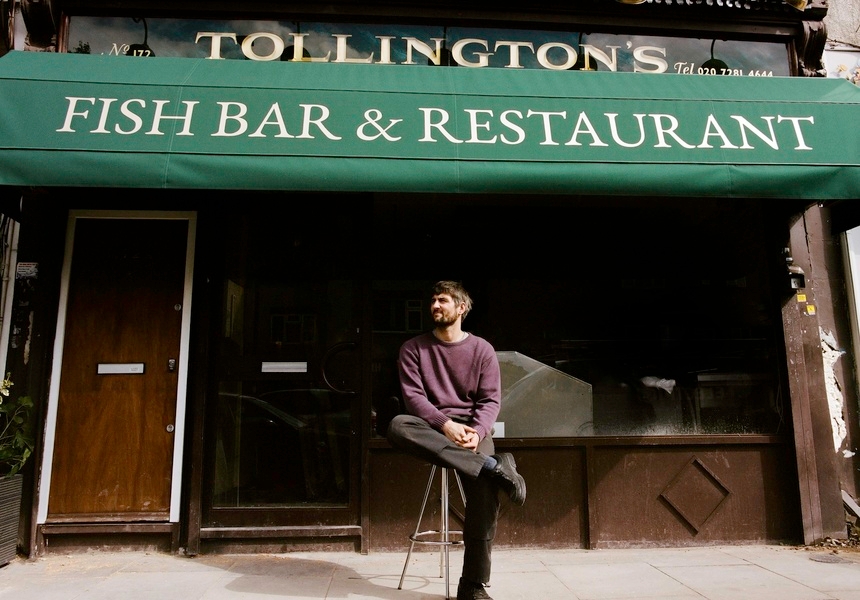
Now and again, one of the algorithmic lures in my Instagram feed feels less like engagement-bait so much as a grenade hurled right into the heart of the discourse. To be clear: I am not talking about the latest, Gordon Ramsay-sponsored, instalment of the deeply wearying critic vs influencer debate that seems, like clockwork, to roil and bubble over every few months. No, I am talking about a recent clip of Ed McIlroy, wildly talented chef-founder of The Plimsoll and Tollington’s, venting eloquently in a recent appearance on The Go To Food Podcast about one of his biggest current bugbears in the capital’s dining scene.
“The false negative narratives, the woe is me, this is so hard, no one’s busy … bollocks,” said McIlroy, with a puckish smile and characteristic directness. “Bollocks, man. Just utter crap. If it’s too hard, don’t do it. There’s so many hard jobs [and] this is what winds me up.”
Shrewdly clipped from a much longer interview, it struck the sort of incendiary chord that occasions days of feverish engagement and emoji-sprinkled debate (at time of writing, the post has attracted more than 89,000 views and 102 comments, largely from chefs applauding in agreement). But, for me, it seemed to publicly articulate something that I’d been increasingly hearing as whispered, off-the-record opinion at the margins of the food scene. I thought of the hospitality veteran who, last summer, privately wondered whether pervading “doom and gloom” was crowding out the city’s many restaurant success stories; the publicist who, swirling a second glass of wine, talked about how posts about bills, enforced price increases and operational niggles were maybe letting too much light in on the escapist magic of restaurants.
Radical transparency and honesty (about costs, challenges, no-shows, and other trading difficulties) have been a big part of the way restaurants operate and communicate for some time now. From the emergence of the polycrisis that followed the pandemic to the business rates bloodbath now shuttering establishments of all sizes, it has been a vital means for hospitality businesses to educate diners about how they actually work – and communicate why they are currently so acutely imperilled and deserving of help. But do people like McIlroy have a point? Has refreshing openness tipped over into reflexive wallowing? And should restaurant owners, well, not pipe down about their problems and existential worries, but at least think about the wider negativity spiral they’re inadvertently contributing to?
“I think it’s just part of my nature to be transparent,” says Ravneet Gill Taiano, the chef, writer and presenter who has been at the vanguard of the radical transparency movement both with hospitality resource Countertalk and Gina, the acclaimed Chingford chophouse she opened last year. “I’ve just never understood why doors are kept closed or why people hold onto things.” In the case of Gina, that openness and demystifying instinct has encompassed bracingly honest Substack posts about everything from her £200,000 opening costs and issues with guests, to bin collection problems, restaurant publicity and why an attention-grabbing cheeseburger was taken off the menu. To her mind, it has never been more important for hospitality workers to have somewhere to explain decisions, correct false assumptions and, yes, kvetch a little.
“Yeah, people moan, [but that’s] because it is a hard job and it’s really physical. Alright, we’re not saving lives, but we are in service to people. A lot of people in hospitality go into it because they love looking after others. And I think that need to be of service can get really beaten down. You’re trying so hard, bending over backwards, tailoring to different personalities and code-switching every time you have a different table. And then you get a difficult guest and it just ruins everything. I don’t think we should diminish how hard that is and I think if we do it takes away from how much hard work goes into hospitality.”
It’s an important point. Yes, a degree of public grousing and revelation among hospitality workers has become familiar – but this doesn’t take away from its validity. Particularly at a time of intense parasocial connection, the articulate openness of, say, The Dusty Knuckle, Fallow (and, outside London, Bristol restaurateur Dan O’Regan) is a means to bring customers in and help them understand the opaque inner-workings of a pivotal but frequently misunderstood industry.
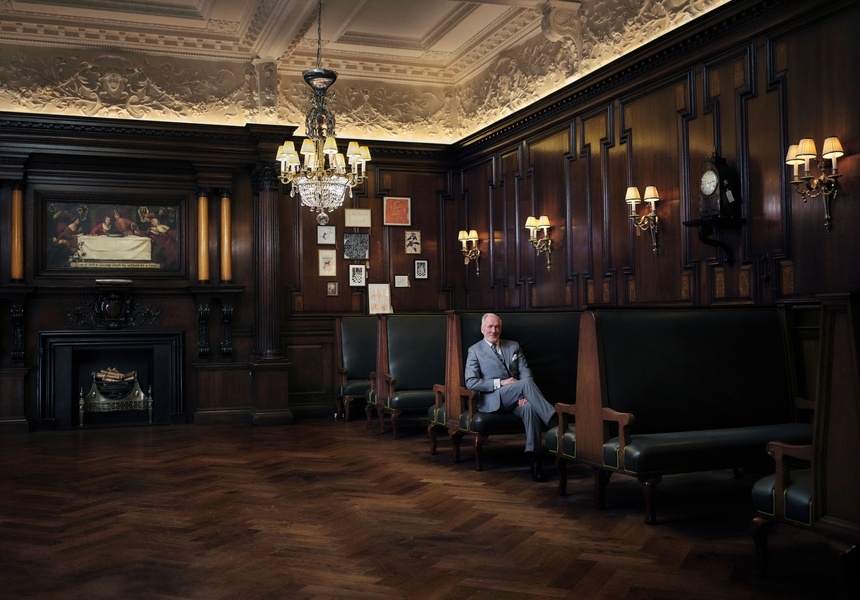
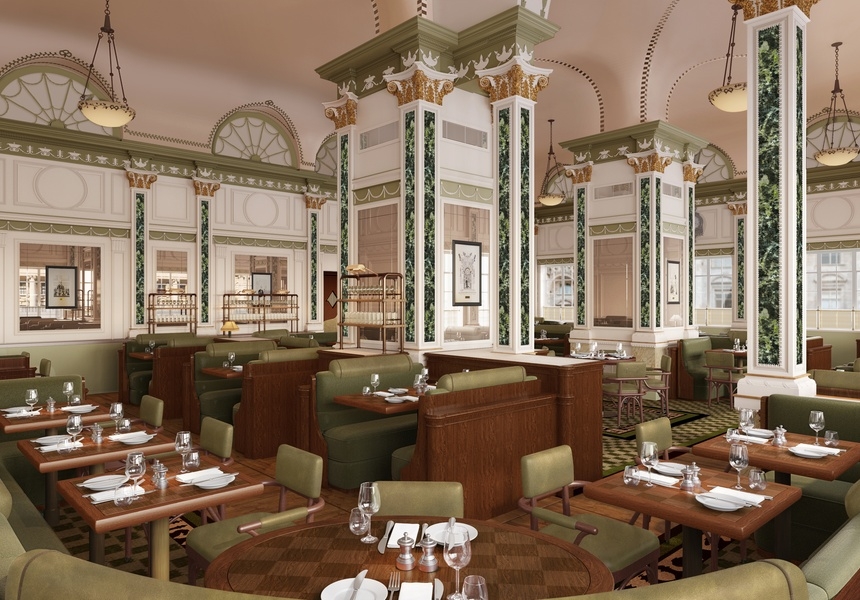
“In some ways, I welcome [radical transparency] because I think people don’t understand the restaurant business at all,” says Jeremy King, debonair Zelig of the last 50 years of London dining and defining force behind The Ivy, Arlington, influencer-trap The Park and, soon, Simpson’s in the Strand. “Ever since I've been in it, you'll have somebody saying, ‘How can you charge this much for cauliflower cheese when I can buy a cauliflower down the greengrocer for [a fraction of that]?’” But King, with the perspective afforded by a long career in hospitality contending with IRA bombs, economic crashes, foreign conflicts and more, also cautions against blanket fatalism. In fact, he notes that a recent interview with a national newspaper was “somewhat curtailed” because he didn’t agree with the idea that this is the worst era ever to be a restaurateur. “We’re going through difficult times but it’s a fine balance,” he explains. “I think the financial crash in 2008 was worse. Even back in the 1990s we had worse times. And the whole point, and what the British are good at, is adapting. We can blame the shortcomings but, if we adapt and we’re positive, we’ll transcend it.”
In a sense, drawing back the veil of secrecy around restaurants – and tapping into the age of The Bear, mid-service POV videos on YouTube and spiking public interest in hospitality – is just one form of adapting to survive. Yes, as King notes, modern restaurateurs should possibly consider that “the magic has to stay” in the dining spaces they’re cultivating. Yes, relentless, forensic disclosure about every issue or difficulty connected to running a food business can become a crutch. But to vent about the reality of your work situation – and the systems making it all the more challenging or, perhaps, even impossible – is about the most human and relatable thing you can do.
Fundamentally, both sides of the radical transparency debate reflect the same desire: to push past British squeamishness around money and make the point that, rather than presenting as acts of love, creativity and sacrifice, it’s okay for restaurants to want to be profitable, money-making enterprises. This same point was made by King, Gill and, funnily enough, McIlroy, earlier on in the same illuminating podcast interview that contained his viral take on overly negative operators. As Gill says: “People assume that this should be a labour of love and we should be sacrificing everything for others. But restaurants are businesses and they have to function as businesses.”
Really, it is a question of balance and understanding. Here is the twinkling, candlelit room partly financed by a remortgaged house; here is the sublime sticky toffee pudding that, as per a recent Substack, very nearly tipped the pastry team over the edge. That the specialness of London’s best restaurants is conjured by people – with all their struggles, anxieties and inveterate, exposing moments of honesty – should enhance rather than diminish the magic.
For Jimi Famurewa’s dish of the week, sign up to get The Counter first, sent to your inbox every Tuesday.