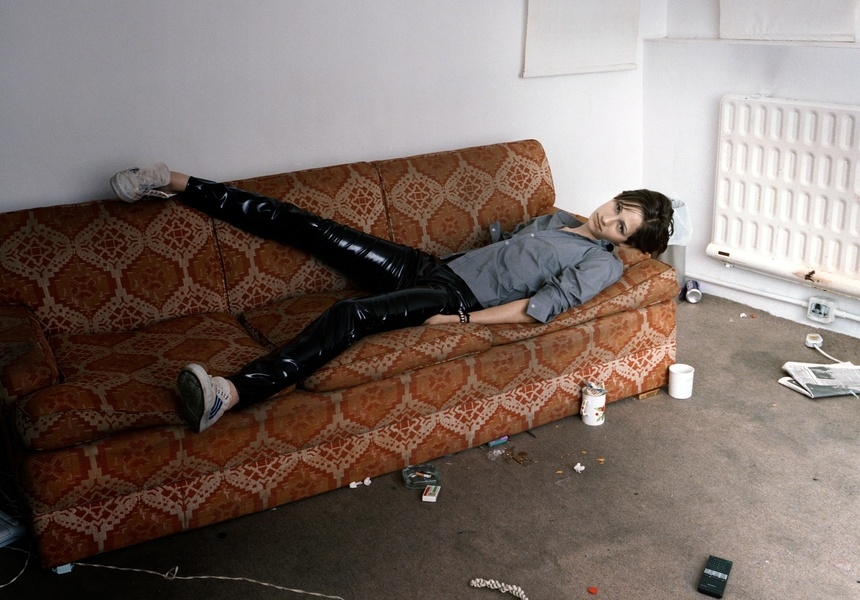
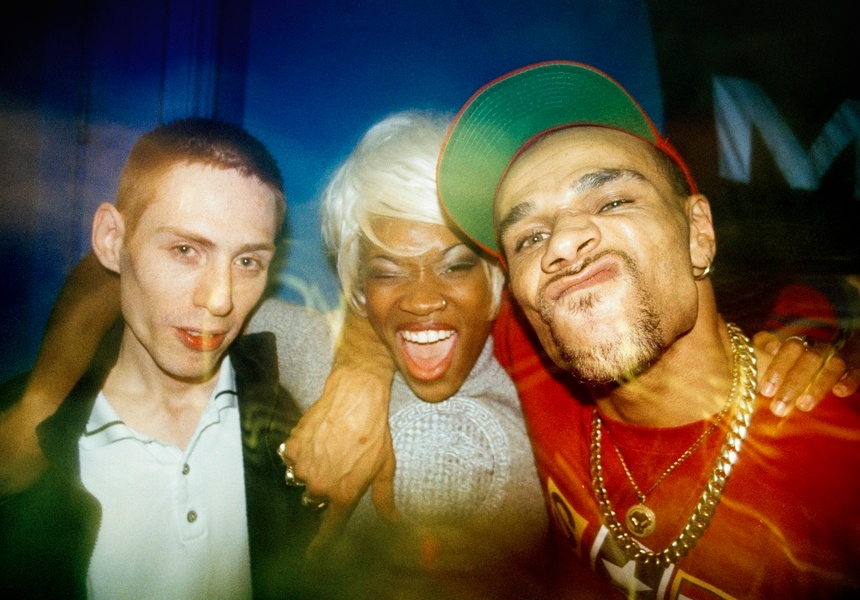
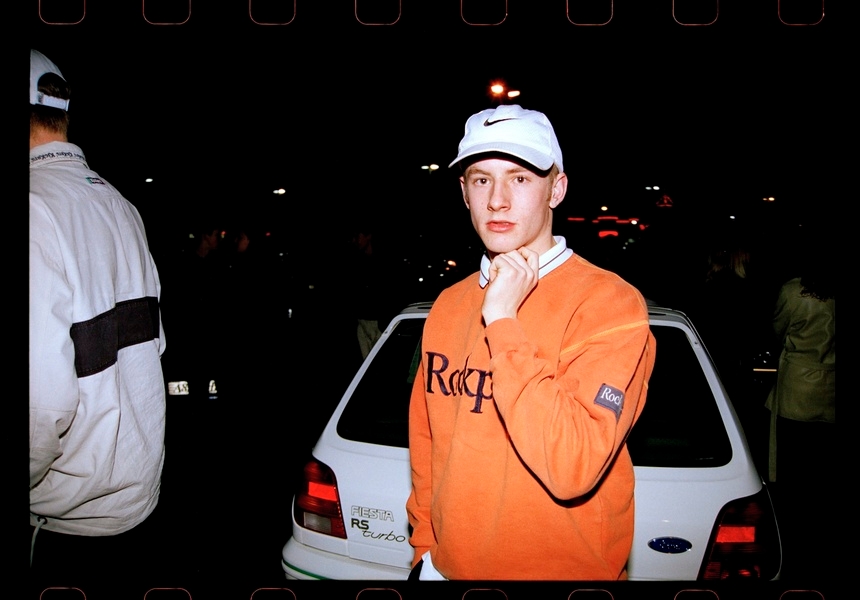
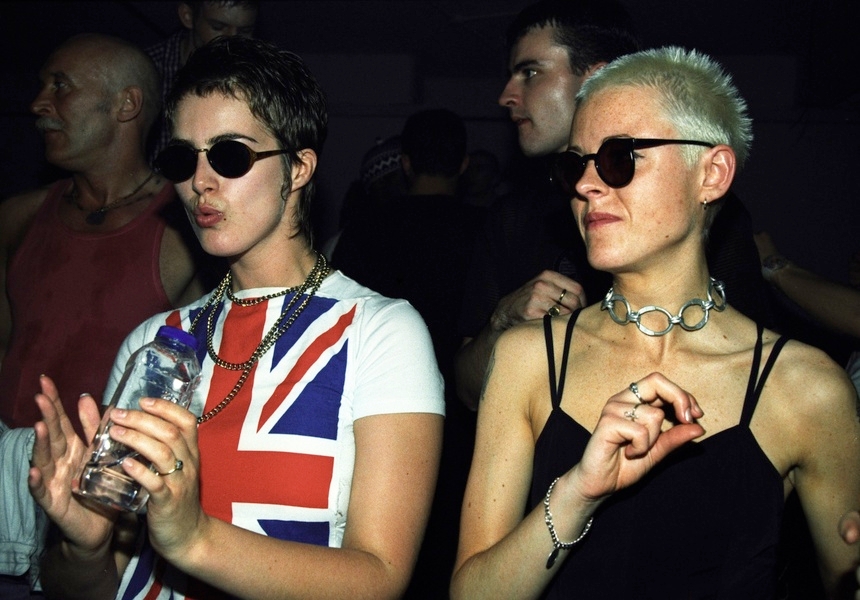
Tate Britain has this morning revealed more details about its landmark exhibition The 90s: Art and Fashion, which will open in October. Curated by ex-British Vogue editor Edward Enninful, it will channel the optimism, creativity and joy of the decade – while also re-examining questions of diversity and representation – with more than 100 pieces by more than 70 artists, photographers and designers. The exhibition will encompass works by the Young British Artists, archive pieces by leading fashion designers and key photos from the defining fashion publications of the era.
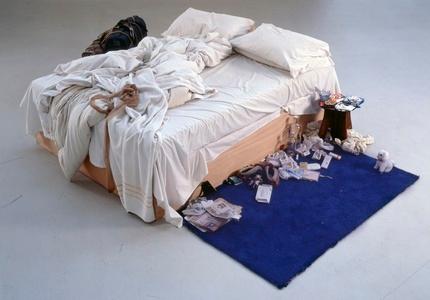
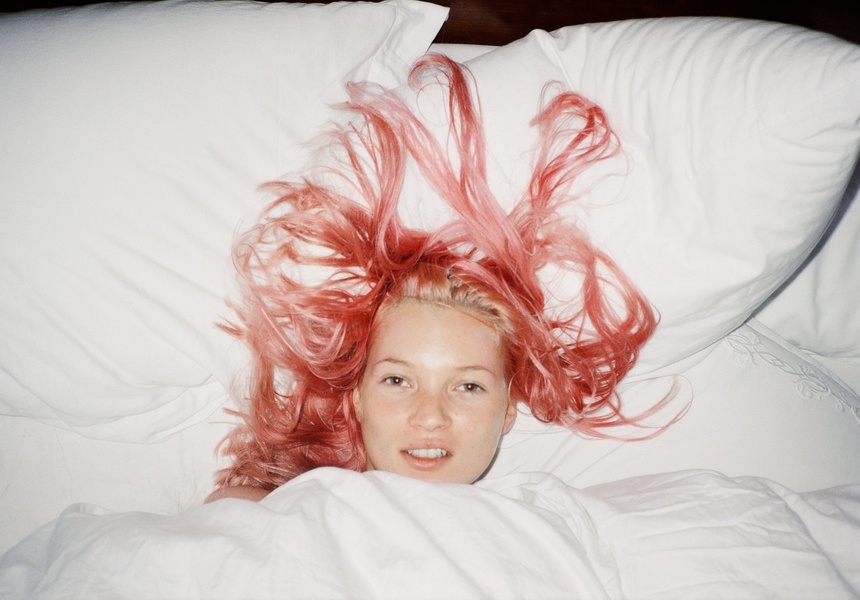
The exhibition will kick off with photography by Corinne Day, Nigel Shafran and Juergen Teller that appeared in publications like i-D and Dazed and Confused. The works showcase the grungy, DIY spirit of the era, which was a reaction to the economic precarity and political struggles of the 1980s. Works by artists like Barbara Walker, Jenny Saville and Gillian Wearing show how “real people” became muses, while creations by Tracey Emin, Sam Taylor‑Johnson and Sarah Lucas capture the decade’s anarchic spirit and new approaches to class and identity.
Nightlife’s role in the era will get a nod in film and photographic works, including Mark Leckey’s 1999 film Fiorucci Made Me Hardcore, and images of influential club nights at the Hacienda in Manchester and Bagley’s in London. Acid house’s rise will be documented in works by photographers Dave Swindells, Peter J Walsh and Tony Davis; and queer club nights celebrated in photos by Poulomi Desai, Stuart Linden Rhodes and Jon Shard.
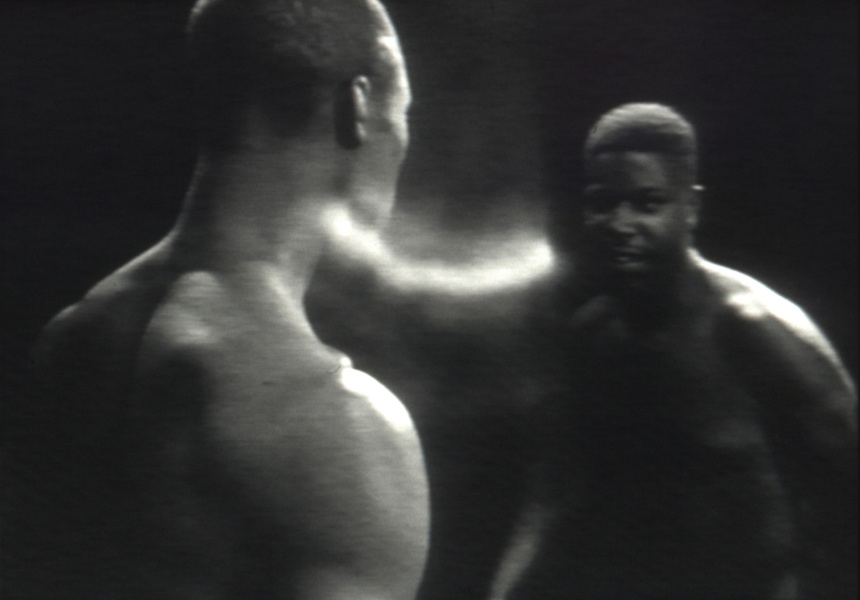
While Cool Britannia was a label pegged to the flourishing arts and culture scene of the ’90s, it was often not representative of the UK’s diversity at the time. The exhibition will show pieces by those worked beyond the limitations of the popular narrative: director Steve McQueen’s first major film Bear, which brought to the fore topics around race and sexuality; and Chris Ofili’s Turner Prize-winning painting No Woman, No Cry, a tribute to Doreen Lawrence and her son Stephen Lawrence, who was murdered in a racially motivated attack in south-east London in 1993. Black British designers will also get their due, with suits by Ozwald Boateng, runway footage from Joe Casely-Hayford’s shows and photography by Koto Bolofo.
Works by artists including Hamad Butt, Helen Chadwick, Jake and Dinos Chapman, Cerith Wyn Evans, Rachel Whiteread and Gary Hume will highlight the era’s various artistic movements, while Damien Hirst’s groundbreaking formaldehyde sculptures will show how the concept of making art was redefined.
Fashion designers who broke through and pushed boundaries – Alexander McQueen and Hussein Chalayan – will be celebrated, while the work of era-defining photographers like Nick Knight, David Sims and Wolfgang Tillman will show how the art form evolved during the decade.
Finally, the exhibition will close with pieces by artists and designers who probed Britain’s past and imagined new futures: Yinka Shonibare and Maud Sulter, who dealt with diversity and representation, and Vivienne Westwood and John Galliano, who dug into class, mythology and style.
The 90s: Art and Fashion runs from October 8–February 14, 2027 at Tate Britain. Tickets are on sale now.