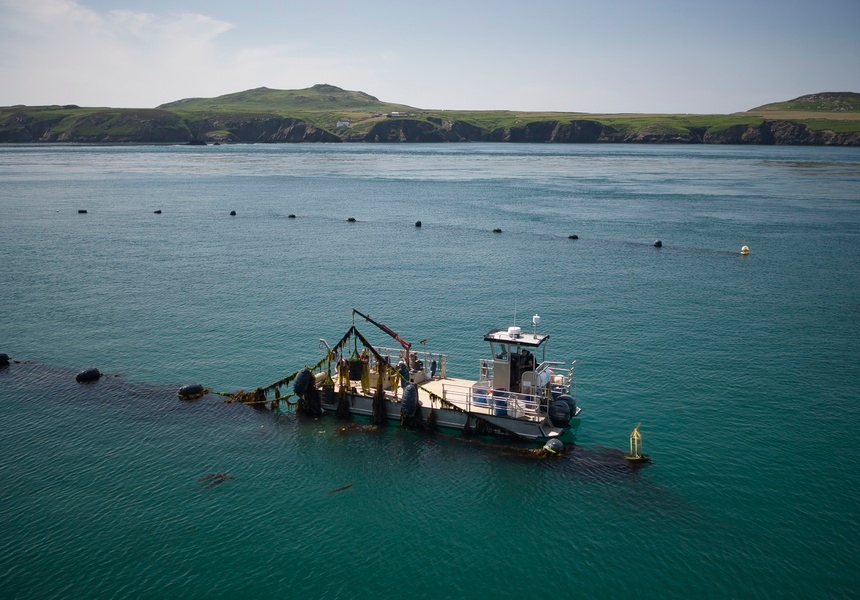
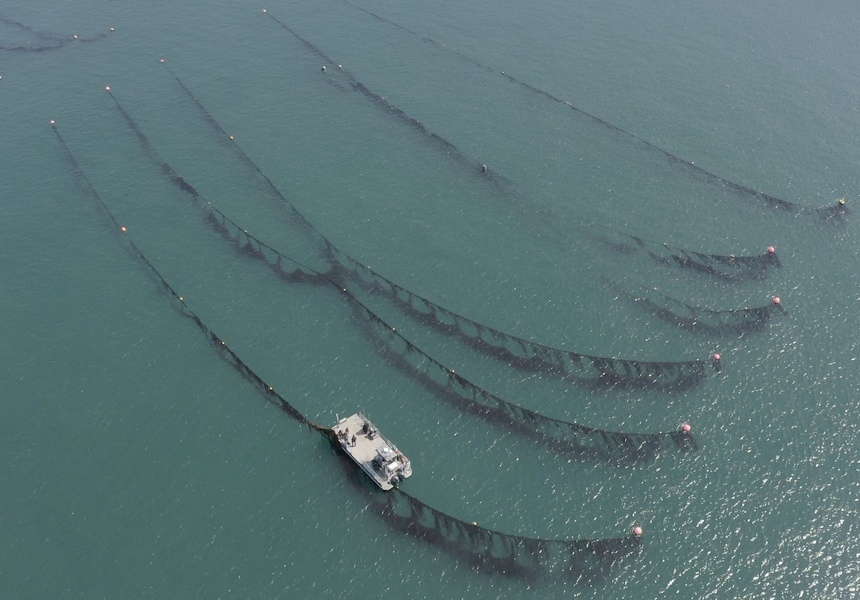
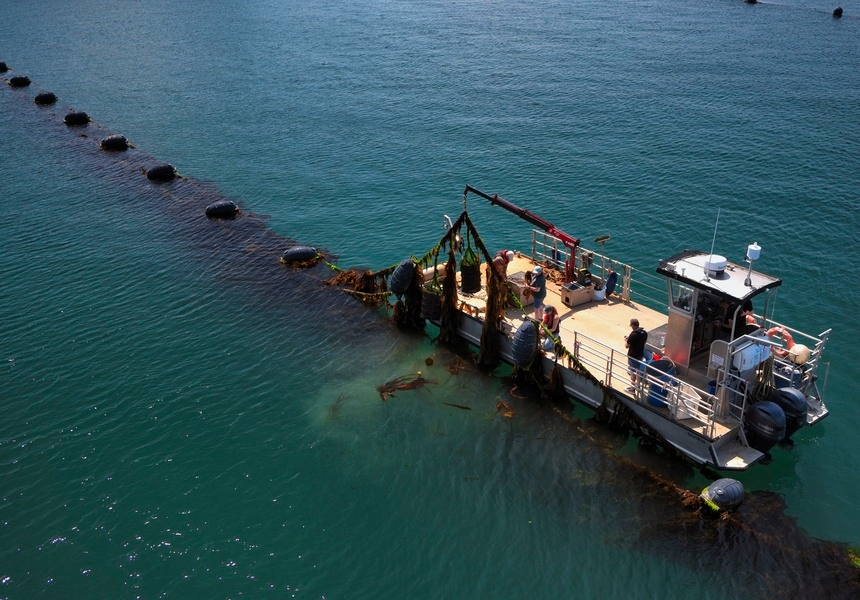
“It means ‘for the love of the sea’,” says Joanne Haines of Câr-y-Môr, the ocean farm she runs with her dad and sister off the craggy coastline of Pembrokeshire. And really, the family must love it to have done what they have done: establish Wales’s first regenerative seaweed and shellfish farm within the bitterly cold, beautifully clear waters of St Davids, with no fertilisers, chemicals, feed or other inputs, and no supermarket buyers; just a small but steadily growing selection of some of the best restaurants in London and Wales.
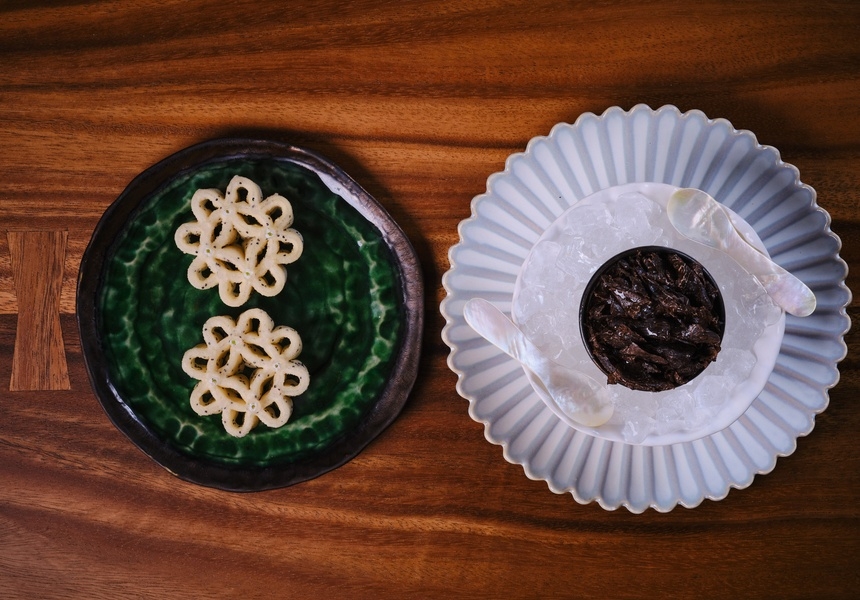
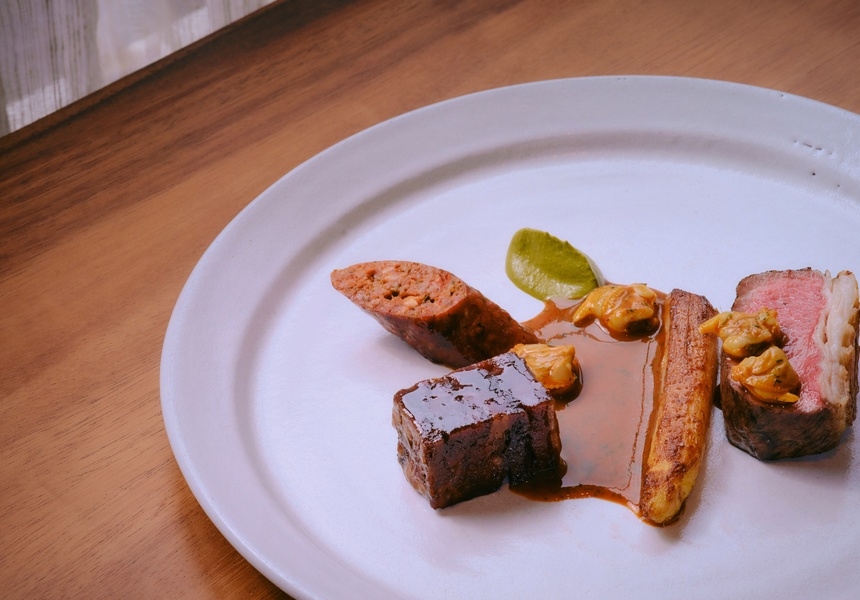
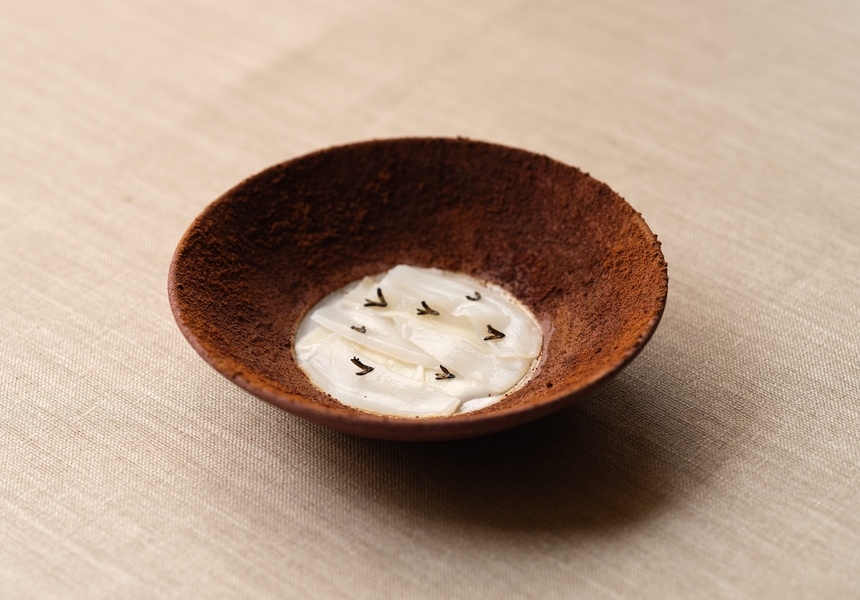
If you’ve sampled the dulaman seaweed at Kol in Marylebone, the poppy seed cracker with toasted seaweed emulsion at nearby Anglothai, or the wood-roasted cockles at Tomos Parry’s Brat in Shoreditch, you’ve tasted Câr-y-Môr’s seafood. If you’ve tried the omelette, stuffed with sweet spider crab and dusted with sugar kelp at Parry’s second restaurant, Mountain, then you’ve experienced what Parry has called his personal “celebration of Câr-y-Môr … of their dedication, coupled with multi-generational skill and expertise”.
The business began in 2019 with Joanne’s dad, Owen Haines: a third-generation fish farmer who had become jaded by what he was witnessing on farms around the country. “The chemicals, the level of antibiotics demanded by supermarkets, the waste – he was sick of it,” Joanne tells Broadsheet. “And on top of all that, everything in the news was screaming climate emergency. He wanted to do something that was better for the environment than massive fish farms, that had a positive impact rather than negative.” Sitting around the table with his wife and two daughters, he realised they had the skills between them to launch a community-owned seaweed and shellfish farm; one that would improve their local coastal environment and create jobs in an area where they’re seasonal, and few and far between.
“My mum is an agricultural accountant. My sister worked in education. My other half sets up websites, and my cousin is a chef,” Joanne says. During lockdown, Joanne’s cousin – then a chef at Kol – came to Pembrokeshire to help the family set up the processing kitchen for shellfish. Through his network, the customer base started to grow.
They met SongSoo Kim, head of sourcing and development for Super 8, the restaurant group behind Smoking Goat, Kiln and Brat, which was building Mountain at the time. “The timing was incredible,” Joanne says. “Mountain was focused on Welsh produce, and they came to us asking if we could supply them with cockles – which we didn’t have, but dad knew someone further down the coast.” Super 8 took “an obscene amount,” Joanne laughs, “because we needed them to guarantee a regular supply; we couldn’t have afforded to sell 10 kilos here and there”. Word spread, and the result, three years on, is a steady stream of quality Welsh cockles to London restaurants, and a considerable income boost to the fishers who source them.
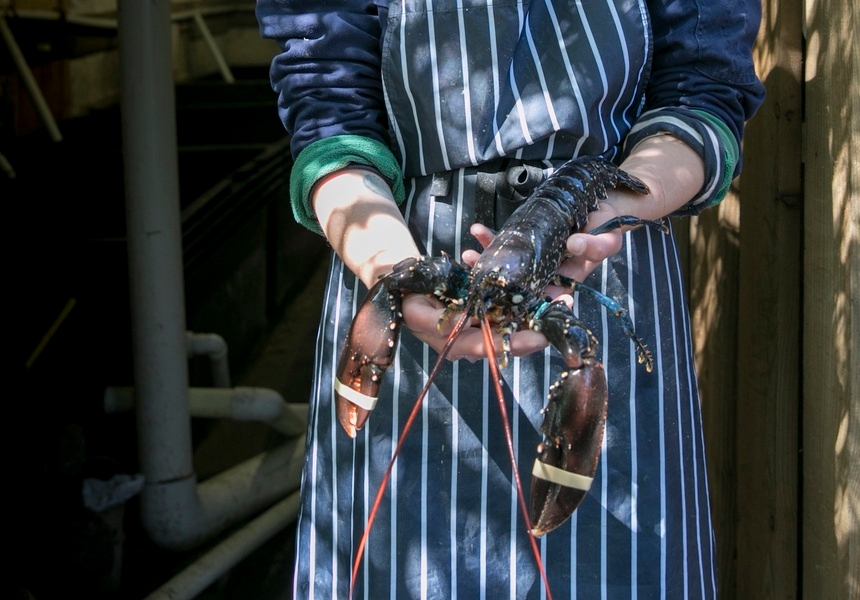
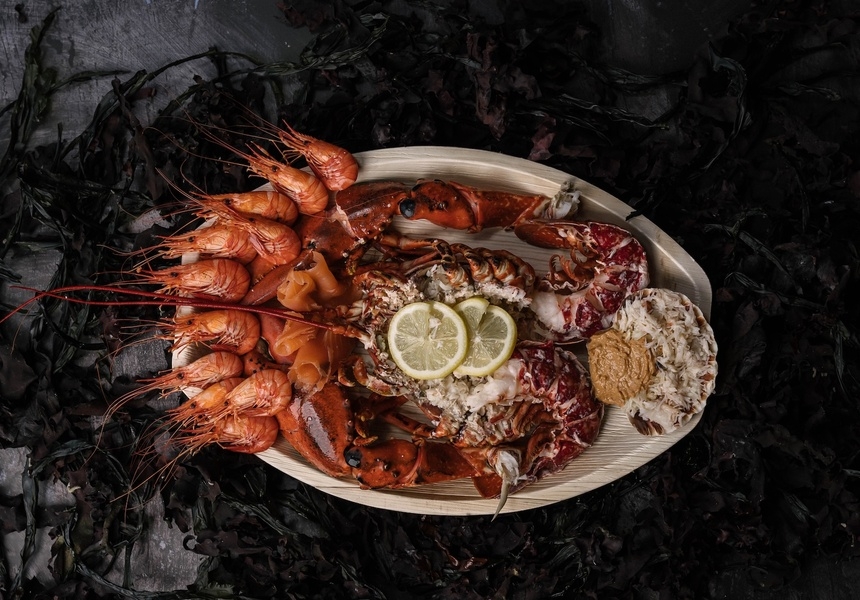
While Câr-y-Môr was born out of the Haines family, it has since become a community business. As well as those it employs to harvest seaweed and mussels from the network of ropes they’ve established in the Ramsey Sound, where a large trench results in a strong current flow, bringing a huge density of nutrients, there are the fishers and gatherers who source its spider crabs, velvet crabs, wild prawns and lobsters. “They have spent decades doing this, with their father and grandfather doing it before them. You cannot make up or fake that knowledge,” Joanne says.
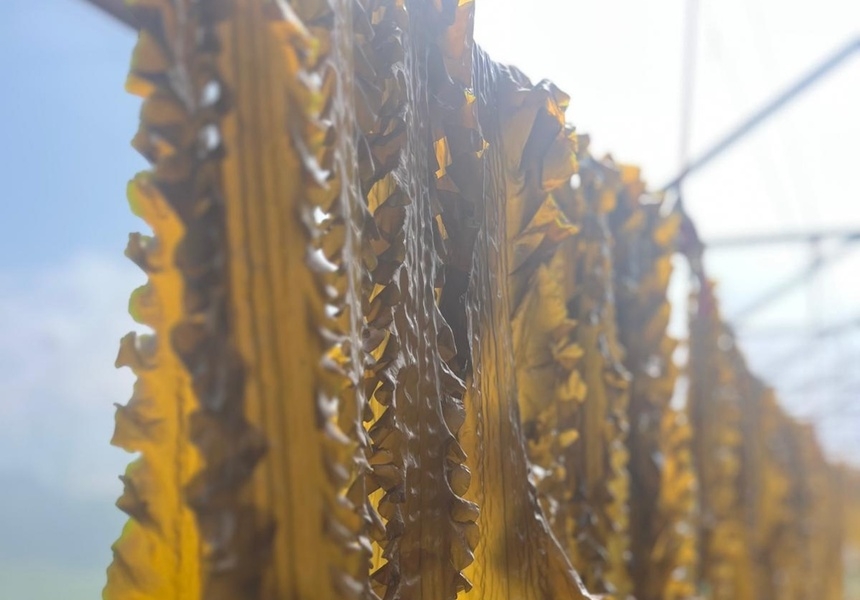
The flexibility and generosity of the chefs they supply means Câr-y-Môr can buy everything they land, no matter the variation in size or species. “[The chefs] are happy to work with a natural product that naturally changes,” Joanne says. Meanwhile chefs Santiago Lastra of Kol and John Chantarsak of Anglothai are particularly enamoured with the seaweed, which they use for stocks and emulsions as well as garnishes. “From a commercial point of view, it is much more helpful than buying 200 grams for sprinkling.”
Joanne is proud that Câr-y-Môr is actively supporting this unique coastal environment, rather than harming it. “The bivalves are filter feeders, so they clean the water. Their shells store carbon,” she explains, as does the seaweed. Both grow naturally, and provide a healthy marine environment for small fish – thus helping to support the sustainability of local fisheries. “We are so lucky to have these grade A waters.”
Supply Chain is a series tracing the origins of the produce and ingredients used in London’s best restaurants.