“The cooking that counts is the cooking that nurtures; that stays in your heart, mouth and mind,” Skye Gyngell once told me. “A ‘male’ approach is to think, how can I take a peach and turn it into something completely different – whereas I am more inclined to pull back to a peach, and memories of eating peaches perfectly fresh and ripe.”
It’s been five years since I interviewed Gyngell for my book The Female Chef, but the Spring culinary director’s wit, her warmth and her infectious enthusiasm for produce has stayed with me. When she passed away, cruelly and too young in November last year, I was reminded of this quote. It seemed to encapsulate the quiet, yet seismic way she shaped London’s food scene. Before her restaurant Spring and her partnership with Herefordshire biodynamic farm Fern Verrow, the concept of “farm to table” wasn’t much heard in the city’s big-name restaurants. Chefs designed their menus and afterwards bought their produce from wholesalers. The organic movement was growing, as was the idea of eating locally – but chefs didn’t namecheck their suppliers as routinely as they do these days. They certainly didn’t champion those who provided their vegetables and fruit.
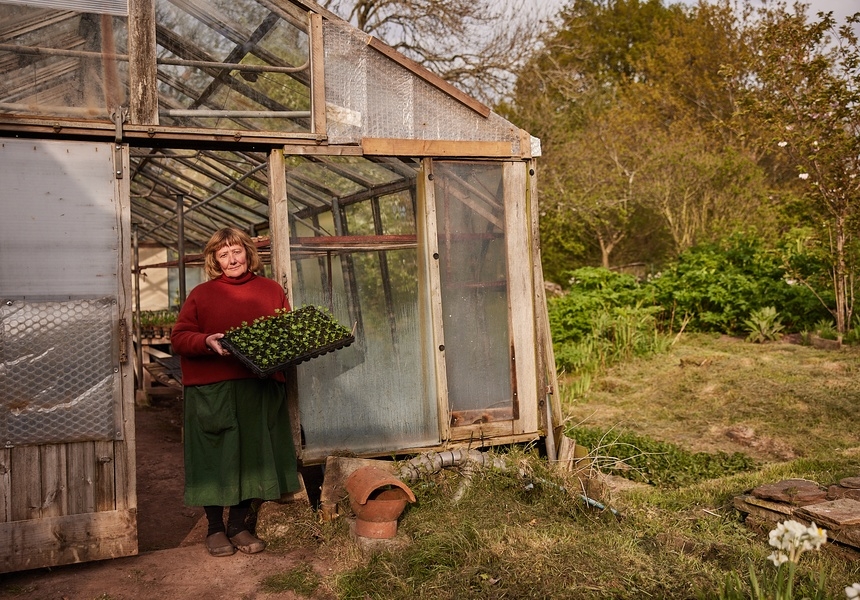
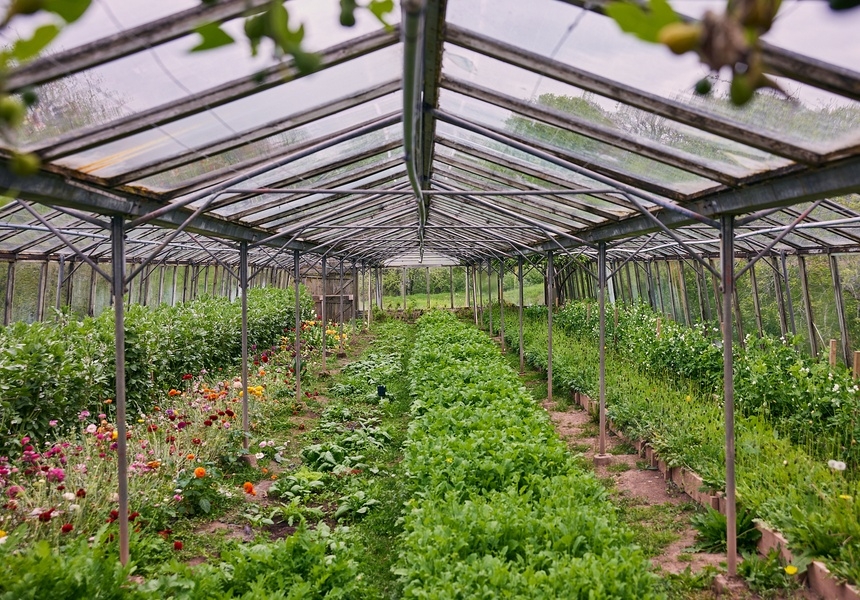
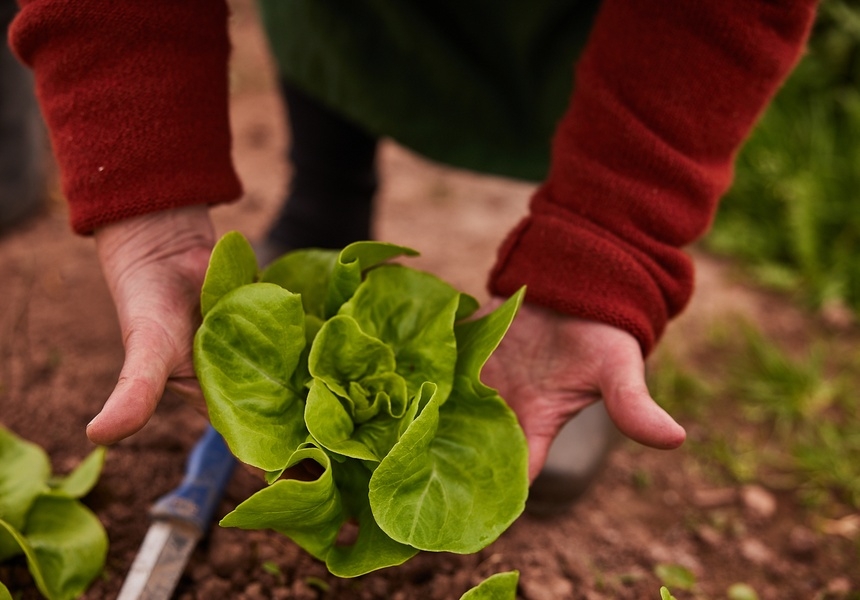
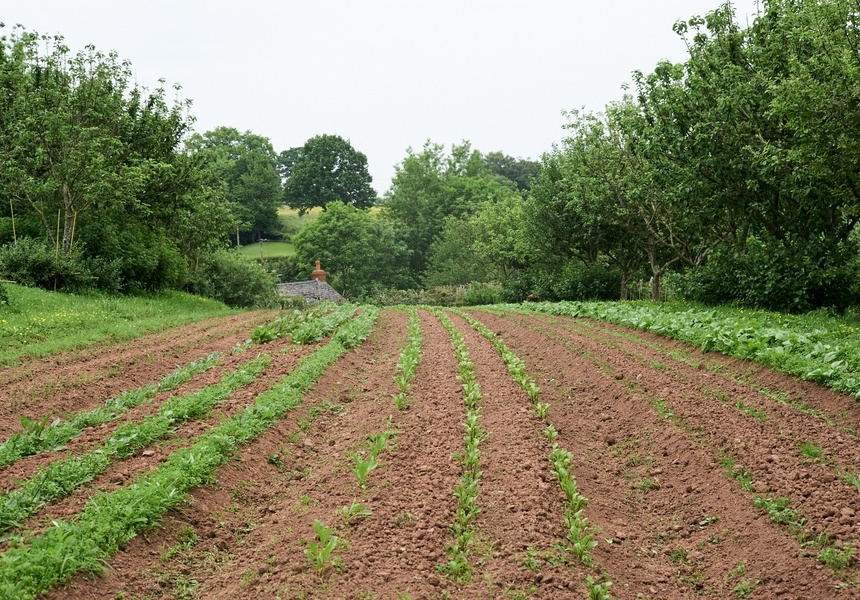
One day, in 2013, Gyngell asked Scotter, the founder of Fern Verrow, for coffee. She’d heard tell of her produce: blousy lettuces, pink, furled radicchios, myriad varieties of squash and aubergine that few believed could even take root in the UK, yet which Scotter carefully grew in her organic system in Herefordshire. It was just what she wanted for her new restaurant.
“We met and got along really well. We shared the same outlook with regards [to] beauty and quality. The rest is history,” Scotter says now of their relationship, which was as rooted in shared values as it was the Herefordshire soil.
“We agreed to be loyal. We agreed to do things properly. The philosophy we follow at Fern Verrow is the same as at Spring; it’s about quality of everything: of produce, and of life for everybody involved,” Scotter continues. “We wanted to do something good and meaningful; to do our little bit towards building something worthwhile.”
It was a leap of faith for both parties: for Scotter, who had amassed a dedicated following of customers at the market she sold at in London, and for Gyngell and her kitchen. “It’s far more work for chefs,” Scotter says. “They can’t just order what they want. They have to adapt their menus to what we’re growing: to what is ready and lovely, or what we have a glut of. They have to adapt when we don’t have enough of something.”
Today, many chefs and farms work like this. But Fern Verrow remains unusual in that it still only works with Spring. It does online retail, but works with no other restaurants. “It was important to both Skye and me to dedicate ourselves and have that integrity; and those who are running Spring now are just as devoted.” It’s been exactly 30 years since Scotter left London and her then-job as founding partner at Neal’s Yard Dairy, but “tasting that first tomato, seeing the lettuces in the ground in their different hues – it’s still thrilling to me,” she says. “And the risk of servicing more customers and doing this on a larger scale is that it sets us apart from that appreciation, and the dedication to quality. I cannot walk away from something if I’m not satisfied with it.”
This attitude led Scotter to grow varieties few had attempted before. “It didn’t matter to me that it was hard. If it was beautiful and delicious, I’d find a way to grow it,” she smiles. In Gyngell, she found a woman equally determined to “forge ahead in her career. We didn’t take any notice of rules, or what we were or weren’t supposed to be doing.” Both women respected each other’s work.
“Right from the beginning, Skye said she would take everything I grew and pay me well. When Covid hit, we propped each other up. You can’t make a lot of money from what I do; it’s about being part of something, creating something that’s glorious in so many ways,” Scotter continues. “But she understood that I have to make a living.”
Perhaps the most striking part of this deeply grounded partnership is how visual it was – still is, in fact, thanks to the chefs carrying on Gyngell’s legacy. “Looking after the soil, nurturing people, picking the produce at 8pm so it’s fresh the next morning without refrigeration – all of it matters. But the look is important too, and that’s something Skye really understood. I had this beautiful garden full of colours, and she was in charge of plating it up. She was an artistic force of nature,” Scotter recalls, quietly.
This year, in honour of Gyngell’s life and culinary contribution, Heckfield Place – the Hampshire country hotel where she was culinary director – is hosting a guest chef series, where “chefs she worked with or influenced are coming to remember her”. Scotter herself is head gardener at Heckfield, and helped convert their farm to biodynamic. She also works on the educational programmes it runs for people who want to “grow food for restaurants in a more sustainable way”.
“If you worked hard, Skye was a great mentor. So generous,” Scotter says. “We all miss her terribly. But there is a strong core of people who are following in her footsteps. I had a conversation with her before she died, and she said to me: ‘We did it. We instilled in Britain a sense of high-quality produce.’ So we’re going to keep that going, and we’re going to make a success of it. End of story.”