It’s a perennial challenge for restaurants in major cities: how can you source produce as locally and ethically as possible, when some of your ingredients need to come from other countries? For many London restaurants influenced by multiple cultural heritages, it’s a balance that requires thoughtful consideration.
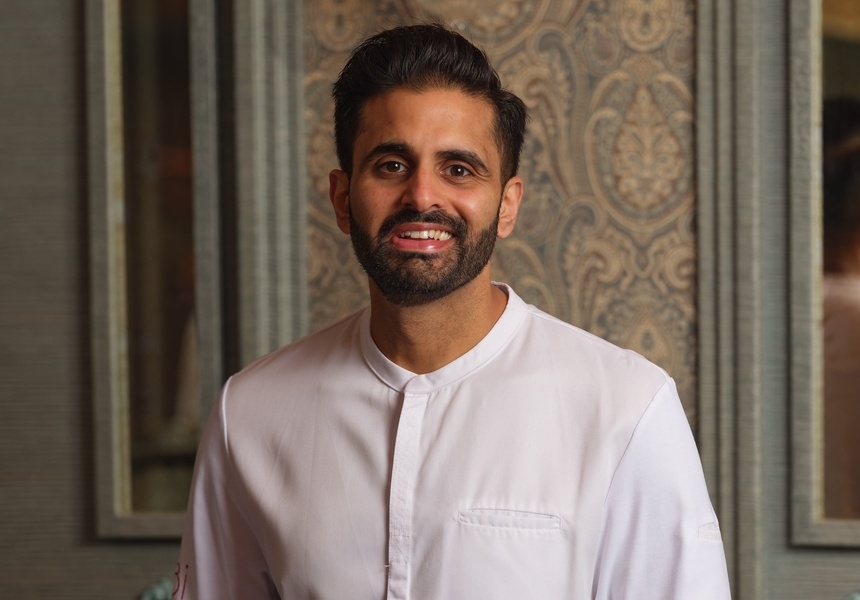
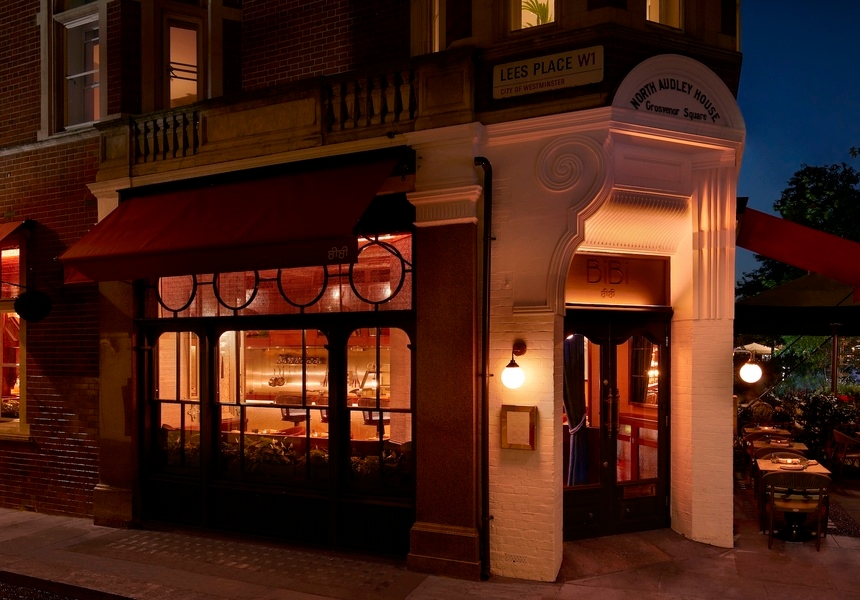
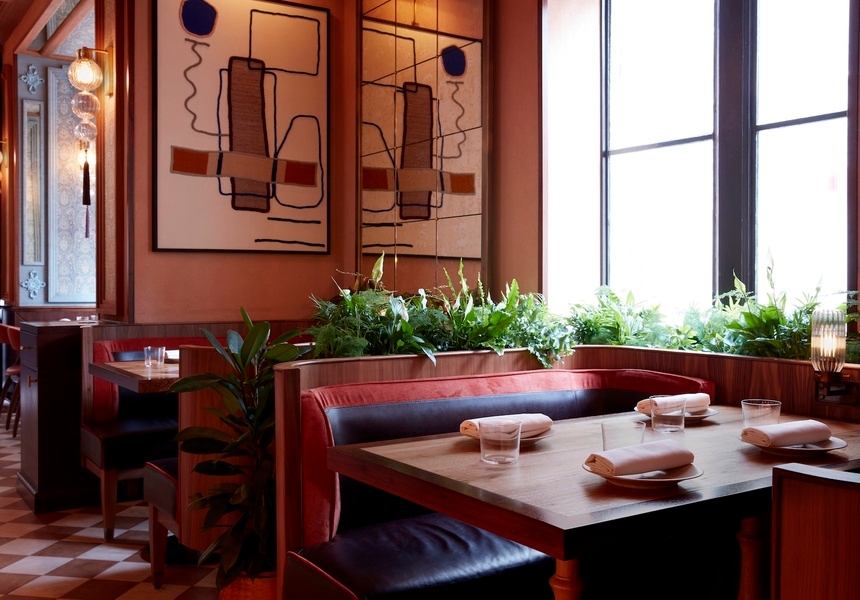
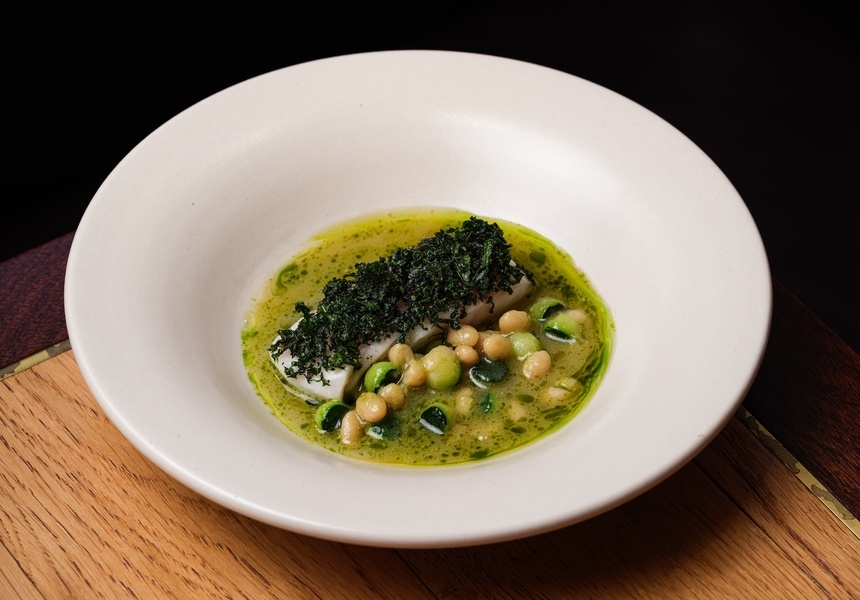
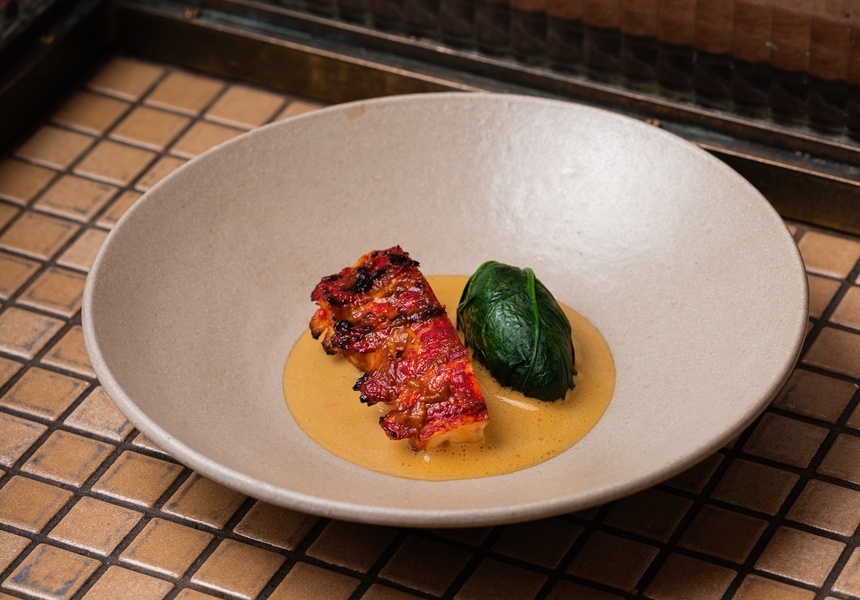
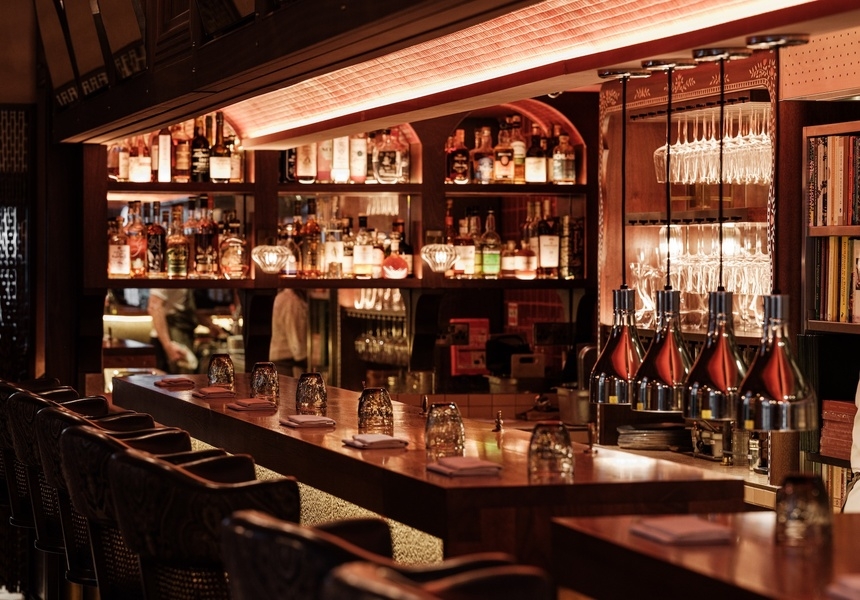
Bibi in Mayfair is a restaurant that has embraced this complexity, embedding it into its ethos from the beginning. The progressive menu draws on Indian influence and flavours, but chef-owner Chet Sharma is quick to point out that “Indian” isn’t a strict definition. “India is a vast country; we have our own versions of soy sauce, pasta and noodles, and don’t have that long a history with tomatoes and chillies,” he says. “It’s important to say that there’s a lot of blurred lines.” By widening the definition of what is considered “Indian”, Sharma can start with the ingredient first, sourcing locally when possible. Diners at Bibi could start with the restaurant’s signature snack, Wookey Hole Cheese Papads, dusted with grated cave-aged cheddar; then try hand-dived Orkney scallop as part of a crab idli dish made with mangalore crab from India; or a richly spiced Galouti kebab made from ex-dairy goat.
Sharma says London is one of the best food cities in the world, and like other metropolises – Paris, Dubai, New York – you can get anything you want. But while London is a “city that respects global ingredients”, the difference, in Sharma’s view, is that “[the UK] has amazing local produce”, which he takes full advantage of.
Bibi is named in honour of Sharma’s grandmothers, who both grew up on farms with strong connections to land and ingredients. Sharma explains that his maternal grandmother was from the north of India, and even after retiring further south to Mumbai, would still get wheat shipped from her farm “because the taste of that wheat was completely different to anything else. My first memory was the taste of that wheat – or more the smell, because we would grind it every day in the house,” he says, fondly. “The difference between that and commercially grown wheat is massive, and it stuck with me.”
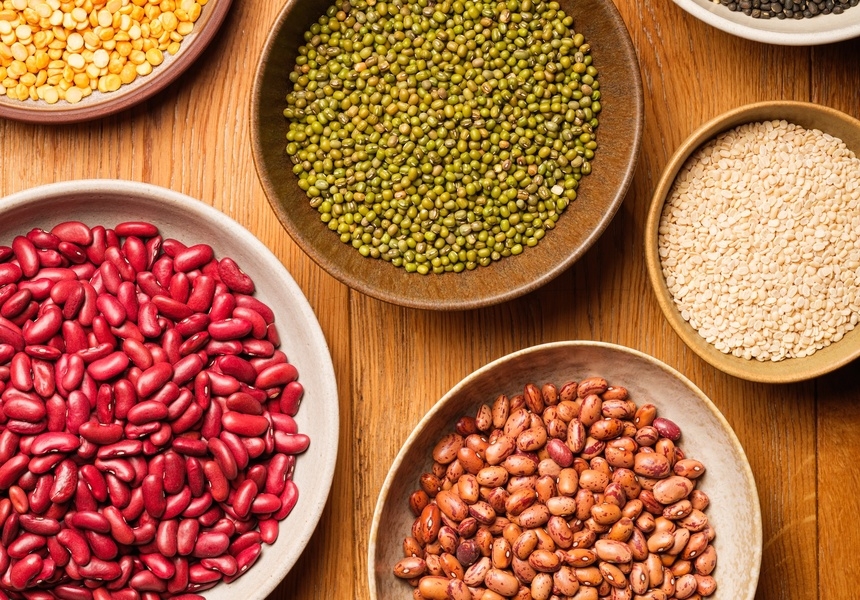
Sharma inherited his grandmother’s respect for high-quality ingredients – with a keen awareness of when (and how) to import them. Bibi has long-standing relationships with international producers, which sometimes allow the restaurant to pay in advance for whole rice harvests. All its spices are sourced from South Asia, and Sharma often visits the spice farms he works with. “We now have people knocking on our door saying, ‘I found this amazing heritage ginger!’ So, then we take it, clean it, pickle it … and use it throughout the year,” Sharma buys goats, and once they’ve stopped producing milk, the restaurant will use the entire animal (the hides go to Billy Tannery), a two-plus year process and commitment. Sharma is on the lookout for someone who will make goat bone china.
Last year, Sharma launched the Bibi & Friends series, in which he collaborates with guest chefs influenced by cuisines from across the world for one-night-only tasting menus. It’s a celebration of the many cultures that have enriched the capital’s restaurant scene – and the next event, on May 23, will see Sharma join Adejoké Bakare from the Michelin-starred Chishuru to create a menu that will represent their shared love of heritage-inspired recipes.