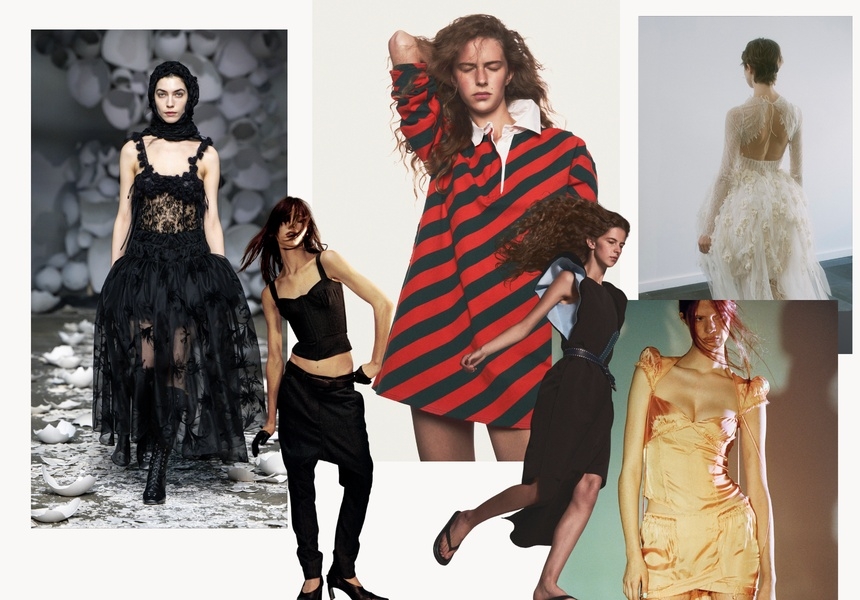
London has long been a breeding ground for dynamic young designers. The capital, after all, is home to some of the most influential creative institutions in the world – the most famous of which is Central Saint Martins (CSM). The school has produced prodigious talent from Alexander McQueen to John Galliano, and it continues to be the training of choice for some of the most the city’s most ambitious and innovative thinkers – including three of the capital’s most exciting young designers: Talia Byre, Knwls and Pauline Dujancourt. Each has built a distinctive brand identity that’s entwined with that of London itself. As London Fashion Week wraps up, Broadsheet speaks to them about their brands, how London has influenced their designs and their spring/summer 2027 collections.
Knwls
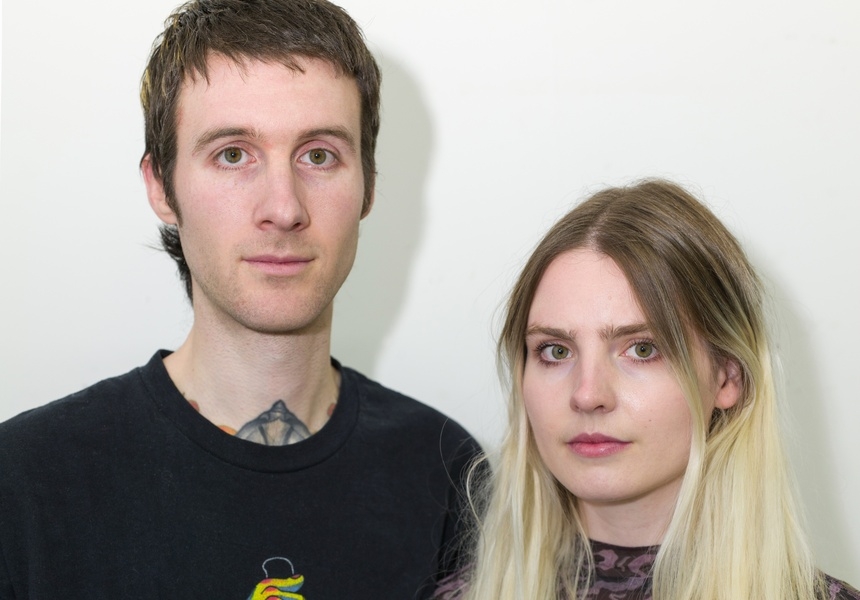
Worn by celebrities from Nicole Kidman to Beyoncé, Knwls became a breakout success thanks to its distinctive take on sensuality and femininity. Founded by Charlotte Knowles and Alexandre Arsenault – partners in life and work – the brand is back on the London Fashion Week schedule this season, having shown in Milan last year, and is gearing up to celebrate its 10th birthday in 2027.
How would you describe the Knwls brand?
Charlotte Knowles: At its core, it’s always been about challenging notions of femininity.
Alexandre Arsenault: The Knwls woman lives in a world of tension. Things can feel pretty but never too pretty, sensitive but also empowered. We see [our woman] as self-possessed and in control of who she wants to be.
Tell us about your spring/summer ’27 collection.
AA: We found an old book we’d looked at when we first met at CSM: Bettina Rheims’s Chambre Close, which is where the name of the collection comes from. She photographed women in intimate settings, then asked Serge Bramly [a French essayist] to write a narrative. He wrote a very voyeuristic vision of what she did; the women are always looking back at the camera, but then they seem like they’re in control of their own exposure. It became this weird tension between the viewer and the person being viewed, and a question around who is in control.
CK: We also found a funny article from the 1930s or ’40s about how to undress for your man. It had ridiculous pictures of women trying to remove their clothes but in awkward ways. We took that in a literal sense, so a lot of the looks [in this collection] are deconstructed, with pieces that look as though they’re falling off but are suspended and constructed to sit in place.
Why is London important to your brand?
CK: There’s always an energy here; there’s so much young talent bubbling up and the infrastructure to support it. I guess it just feels like home – the last show we did was in Milan. It was amazing, but it feels nice to be back.
You’re about to celebrate 10 years of Knwls – how are you feeling about the future?
AA: Optimistic. It’s scary because of the way the world is right now, and there’s a lot of discourse around AI. We’re fighting against it; that’s probably why this whole collection was so inspired by ideas of control.
CK: I think these things embolden our woman – they make her even stronger.
Pauline Dujancourt
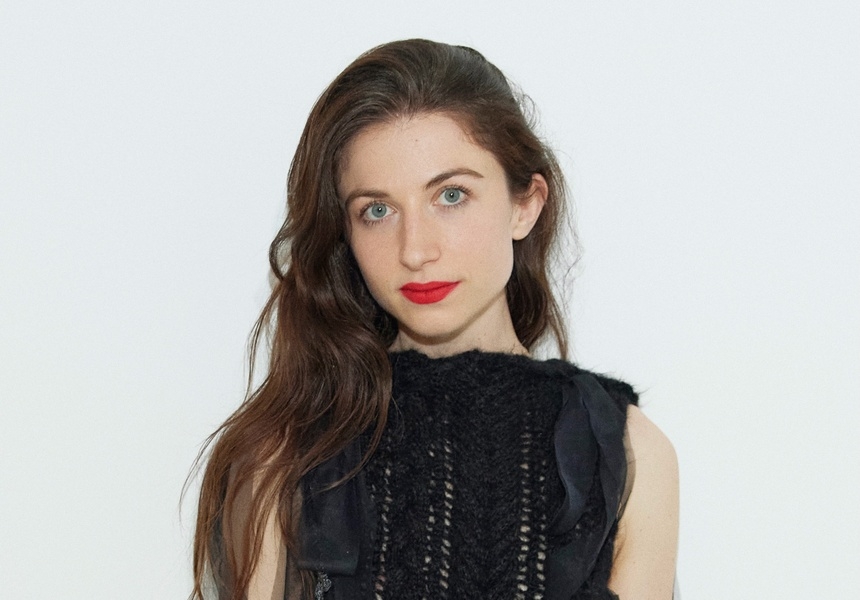
She may be French, but Pauline Dujancourt has found a fitting home in London for her eponymous label and its feminine, contemporary approach to knitwear. This year, she won the Andam (France’s National Association for the Development of the Fashion Arts) Special Prize, which supports emerging designers, and has just joined Dover Street Market’s brand development programme.
How would you describe your brand?
It aims to celebrate womanhood. It’s about craft and the transmission of techniques such as handknitting, crochet and macrame. It’s a tribute to my grandmother and the women who used to humbly knit and sew at home, but it’s also a brand that aims to redefine those crafts and bring a new contemporary vision to them.
Why is craft so central to everything you do?
It comes from a very emotional place. It connects me back to my grandmother, who used to knit when I was a child and who’s not here anymore. It’s a way to give independence to women who would not necessarily be able to have their own income otherwise. By that, I mean the knitters we work with in Peru – women who work from home, take care of their household and their children but also get paid for the pieces they knit – or even the freelancers we work with in France and the UK: some are disabled women or stay-at-home mothers.
Why is London so important to your brand?
I really fell in love with it because people are unapologetically themselves: they dress the way they want; they have an attitude. When it was time to create a brand, it was obvious I would do that here. I wanted to be part of London Fashion Week.
Tell us about your spring/summer ’27 collection.
It’s … even more romantic than it usually is. It’s a big ode to femininity and it’s … emotional – I’m working through a library of different emotions right now!
What does fashion represent for you in 2026?
It’s a place to express a story that matters, to share what our intentions are towards women. It’s to celebrate them, and to celebrate the people who work for us all around the world. It’s an emotion: it’s a tribute paid to my grandmother through channels she never knew existed. She would be shocked if I could tell her.
Talia Byre
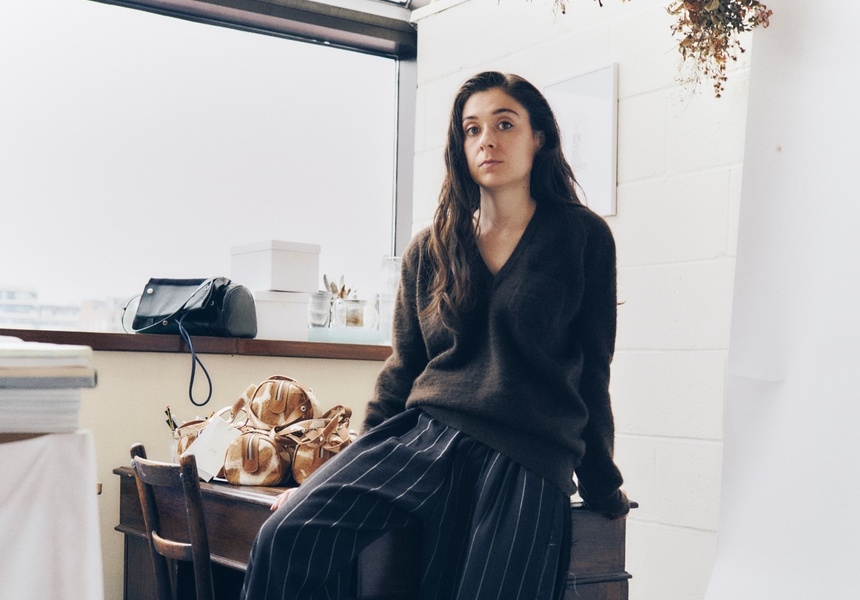
Talia Lipkin-Connor named her label in tribute to Lucinda Byre, the Liverpool boutique owned by her great-uncle between 1964 and 1982. With a focus on the concept of heirlooms and community spirit, the brand has built a loyal following among the coolest London girls with its unfussy clothes.
How would you describe your brand?
It’s a very personal thing. It’s all about the woman, her identity and how she grows. In more tangible terms, it’s always a bit preppy. There’s always a lot of colours; we’ve always got our little bit of stripe. We have certain house codes, as it were, that I’m keen on maintaining – we’re a brand built around the idea of longevity. It’s all about clothes designed to be in your wardrobe for a very long time.
Tell us about your spring/summer ’27 collection.
We looked at the idea of clothing as a placebo. In essence, [that concept] relates to what we do every day with our clothes. It started as an entirely white collection but then we interjected various bits of colour, so it’s a step-change in a way.
You’ve often talked about clothes as heirlooms. Why is that so important to you?
I’m quite sentimental about things like that – I love the essence or memory that clothes hold, particularly in an age where everything’s so digital and fast-paced.
What do you hope to achieve in the next few years?
Just continuation and growth, really. I can see the growth that’s happened, especially over the last year, and I think that will really come through in the show. But I want steady growth – this is a brand based on longevity.