Gemma Rolls-Bentley is an art writer, lecturer, creative consultant and curator of the largest permanent display of queer art in the UK, the Brighton Beacon Collection. This is her pick of rising artists to have on your radar: all British, all exhibiting in the UK and all worth your time.
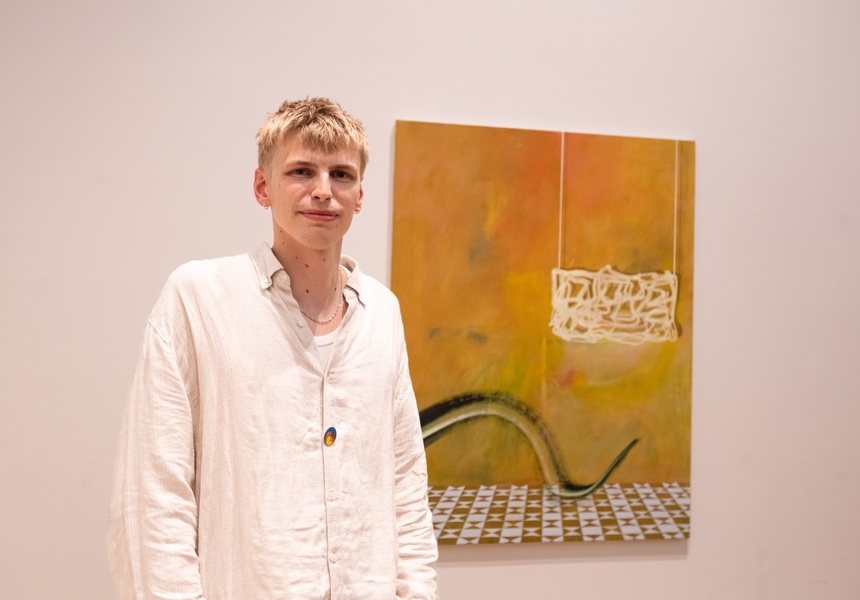
Ally Fallon
The winner of this year’s John Moores Painting Prize, Fallon at 27 is the youngest artist to receive the prestigious prize in its 68-year history. His winning painting is on view alongside the other shortlisted artists until March 1 at Liverpool’s Walker Art Gallery. A student of Louise Giovanelli’s Apollo art school, Fallon has developed a refreshingly distinctive visual language; expect to see thoughtfully composed interiors that merge elements of surrealism, realist precision and abstraction.
Nnena Kalu
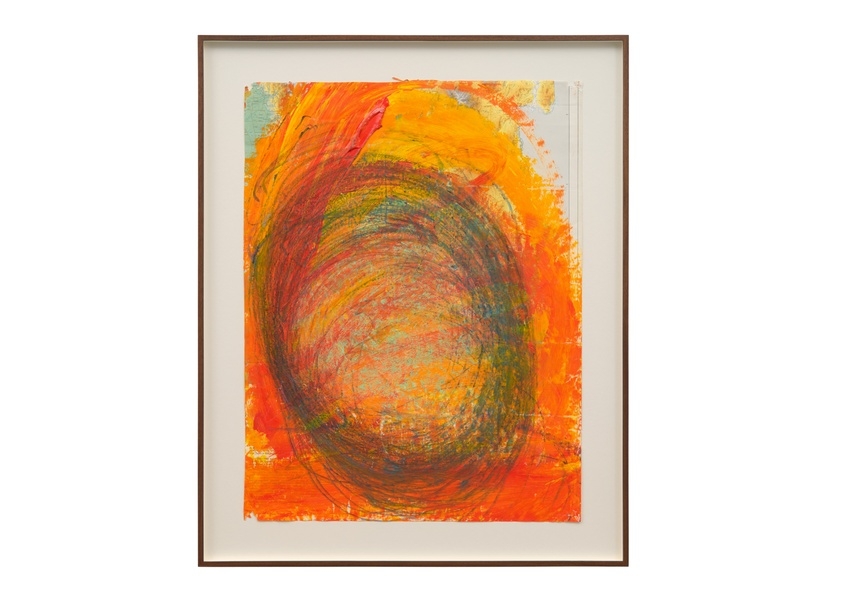
Currently exhibiting her work as part of the 2025 Turner Prize at Bradford’s Cartwright Hall (on until February 22 as part of this year’s UK City of Culture programme), Kalu’s installation brings together sculpture and drawing. Each work is created through gestural repetition, in a display of intense frenetic energy – an extension of the artist’s own physical process. As the first artist with a learning disability to be nominated for the prestigious Turner Prize, her inclusion has been hailed as a watershed moment for British art.
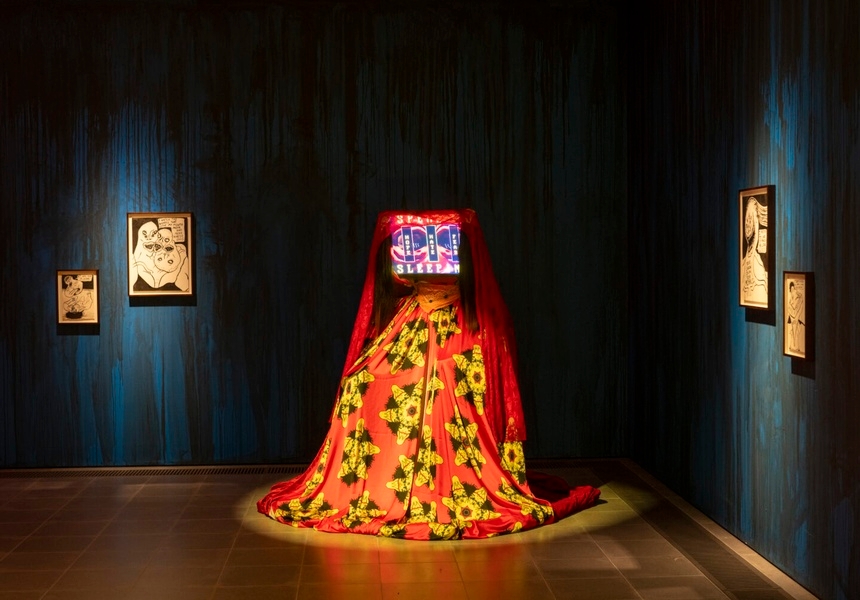
Danielle Brathwaite-Shirley
A pioneer in video game and digital art, Brathwaite-Shirley’s games and interactive digital experiences, such as the Black Trans Archive, often invite participants to consider the perspectives and experiences of Black trans people. Her landmark solo exhibition, The Delusion at London’s Serpentine North Gallery (until January 18), has drawn record visitor numbers. The show uses multiplayer gaming to bring the audience together to consider issues ranging from climate change to faith, gender identity and dehumanisation.
This article first appeared in Broadsheet London's second print magazine.