

The Counter is a weekly column from award-winning restaurant writer and broadcaster Jimi Famurewa. Sign up to get The Counter first, sent to your inbox every Tuesday.
Hello hello.
In the spirit of festive quiz season – and, of course, Destiny’s Child-era Beyoncé – I want to kick off this week with a question. What would you say connects Lyonnaise pub dining room Bouchon Racine, Notting Hill’s counter-focused Canteen, and Sloane Square’s white-hot, glitzy new osteria, Martino’s? You could correctly argue that all of them are restaurants that arrived in deepest winter, only to cause a tidal wave of industry hype and an unseemly bunfight for reservations. You’d also be right to suggest that each one seemed to burnish the growing reputation of a rehabilitated dining district, be it Bouchon Racine boosting Farringdon’s post-pandemic glow-up, Canteen’s role in Notting Hill’s continued gastronomic renaissance or the fact Martino’s joins enticing openings (see New Forms and Corenucopia) that are forcing many of us to grudgingly revise our opinions about Chelsea.
All of these would be good guesses. But the uniting component among those three businesses is this: they all launched seemingly out of nowhere, with little or no pre-publicity or marketing fanfare. Henry Harris’s peerless Bouchon Racine suddenly threw its doors open to a slobberingly grateful public towards the tail end of 2022. Last year, Canteen did the same with a studiously lo-fi digital presence and enigmatic candids of a roaring wood oven within beaten panelled steel. This winter, the first inkling I had about Martino’s – restaurateur Martin Kuczmarski’s follow-up to clubby Mayfair celebrity-magnet The Dover – came via an Instagram post of a well-connected acquaintance raising a cocktail in a twinkly glamourpuss of a room.
No preamble, build-up or back-lift. No press shot of shacket-wearing, visibly uncomfortable restaurateurs standing in a building site. No lavish influencer-bait opening party of the kind that the Big Mamma group used to specialise in. Just a studiedly lower-case, surprise album drop of a rollout that immediately made me shelve all deadlines (editors: this bit is just for dramatic impact, honest) and hop on the District line to west London. Martino’s – which, alongside the diner-inspired Dover Street Counter, is part of a shock-and-awe double-whammy of unexpected ribbon-cuttings from Kuczmarski – serves as the latest reminder that, amid a cavalcade of winter openings, the best way to cut through the noise is to do something with quiet, understated confidence and a genuine air of mystery.
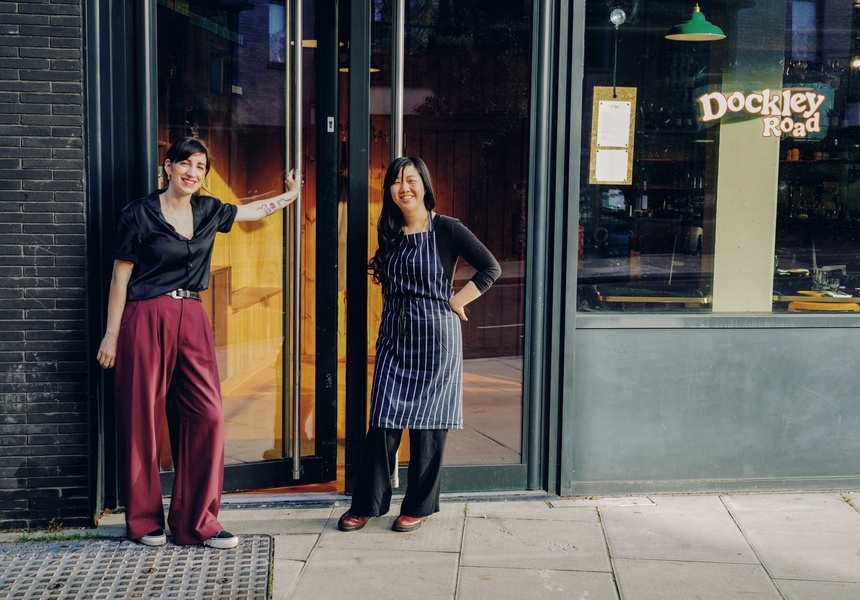
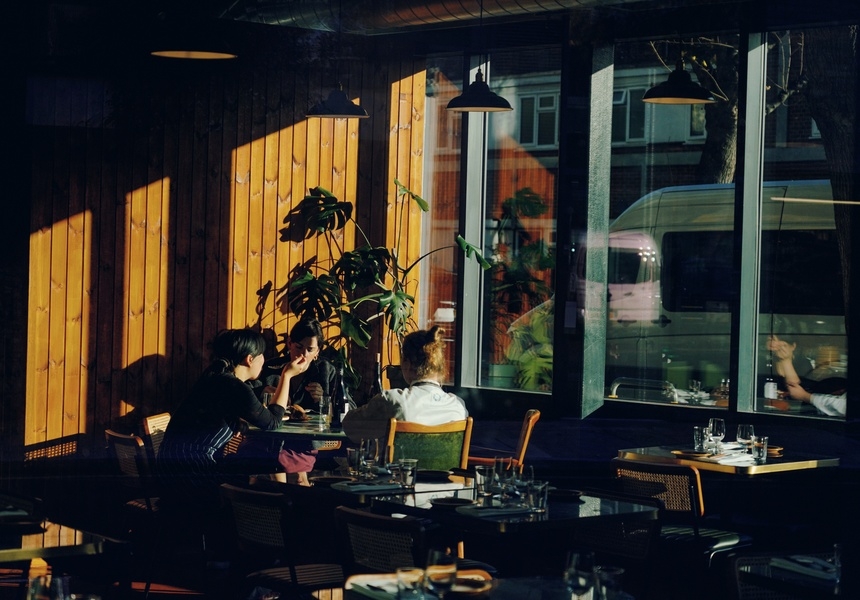
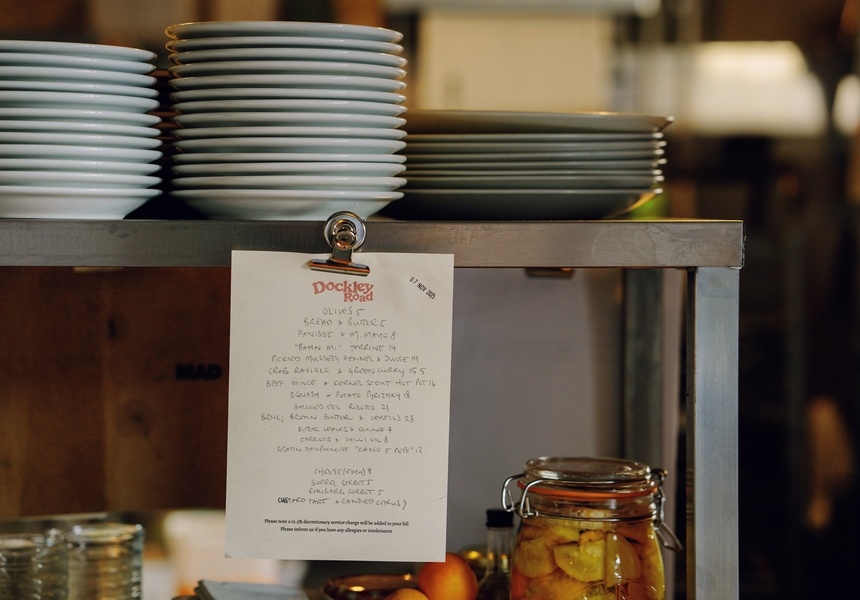
So why is the low-key opening suddenly so widely embraced and proving so effective? Well, in many instances, an understated launch is born from economic necessity. Earlier this year, Jo Kurdi (founder of the superb Hackney Wick Mexican Lucia’s) told me that his restaurant’s successful, social media-free emergence was as much to do with the fact it was a stripped-back “rogue operation”, blessedly plonked in a high-footfall spot, as it was the result of any sort of calculated plan. Dockley Road, the new Bermondsey restaurant that is one of the year’s buzziest openings, voila’d without pre-publicity largely because it was a self-funded endeavour, thrown together at a sprint. But canny restaurateurs like Kuczmarski (and Public House, which followed Canteen with The Hart) are doing something far more deliberate.
“I always felt that actions speak louder than words,” Kuczmarski explained, swinging by my table when I popped into Martino’s for a solo lunch last week. “When you go to the theatre, you don’t watch a trailer of the play on your phone so you know what to expect. You sit with your drink, the lights go down and then when the curtain goes up, you get goosebumps. That’s what I want to do in my restaurants.” Naturally, it’s easier to get buy-in on this goosebumps moment if you have the formidable budgetary clout and contacts book of Kuczmarski – who, of course, is the hyper-connected former COO of Soho House group.
Yet the rationale is clearly to stoke intrigue, to build excitement, and to draw influencers of the old-fashioned variety into an environment where they can’t help but be charmed enough to tell their similarly influential friends. “It’s more impactful and lasting because it’s real,” he adds. “You can create a big boom, but the downside is that you also create a lot of pressure. What if I open the door and, because I haven’t announced it, it’s empty? Or what if it’s not good?”
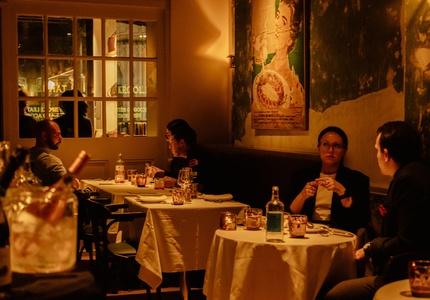
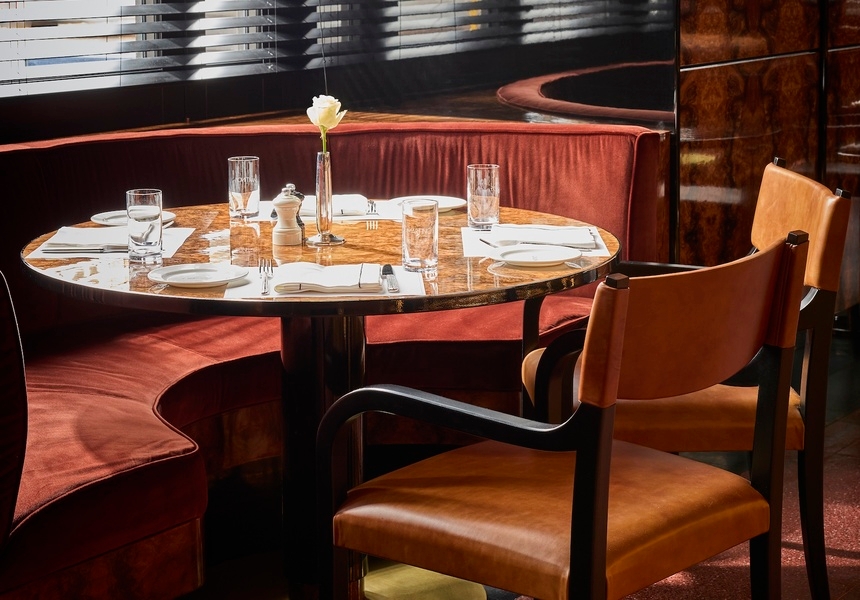
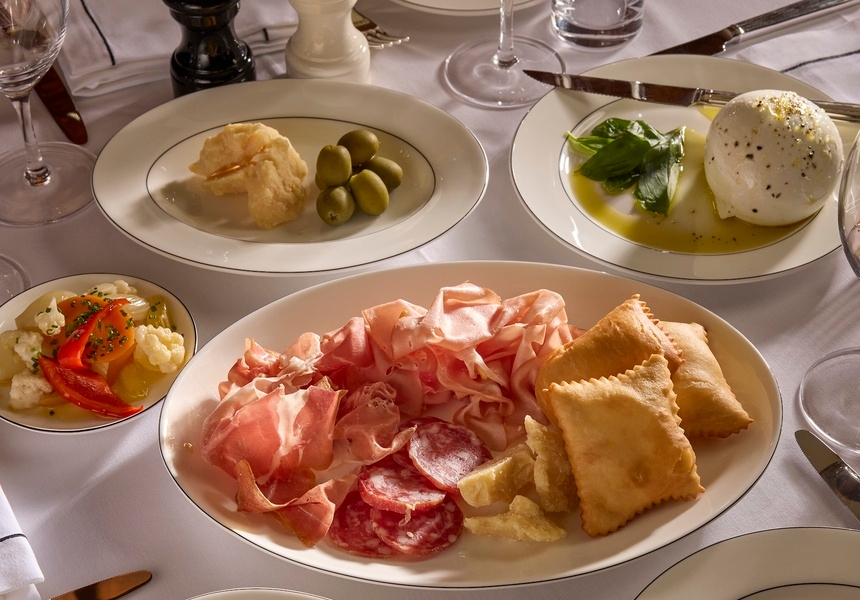
On the evidence of my trip there, I can tell you that neither of these outcomes has come to pass. Despite the fact it had only been officially open for four days, Martino’s already had the assured swagger of an old, suavely dressed stager. The mid-century burlwood and Murano glass dining room glimmers and sparkles. Low, tinkling jazz jostles with high-powered conversation and the odd squalling baby. The portions of unobtrusively enjoyable Italian comfort food are as comically enormous as the oversized pepper grinder that’s wielded above a feisty, sauce-slopped plate of chilli tagliatelle. And, more than any of this, it traffics in a particular, enigmatic feeling, an intangible crackle, that you have to physically experience to understand.
This is the key point about the rise of the calculatedly quiet hospitality launch. Opening a business in this way doesn’t diminish the need for publicity. It just reminds us that the most impactful restaurant discoveries tend to be the ones we feel we have made for ourselves.
For Jimi Famurewa’s dish of the week, sign up to get The Counter first, sent to your inbox every Tuesday.