“When I was growing up, there was just olive oil. Now people want to know: is it early harvest? Cold-pressed? But no one’s done that with soy sauce.”
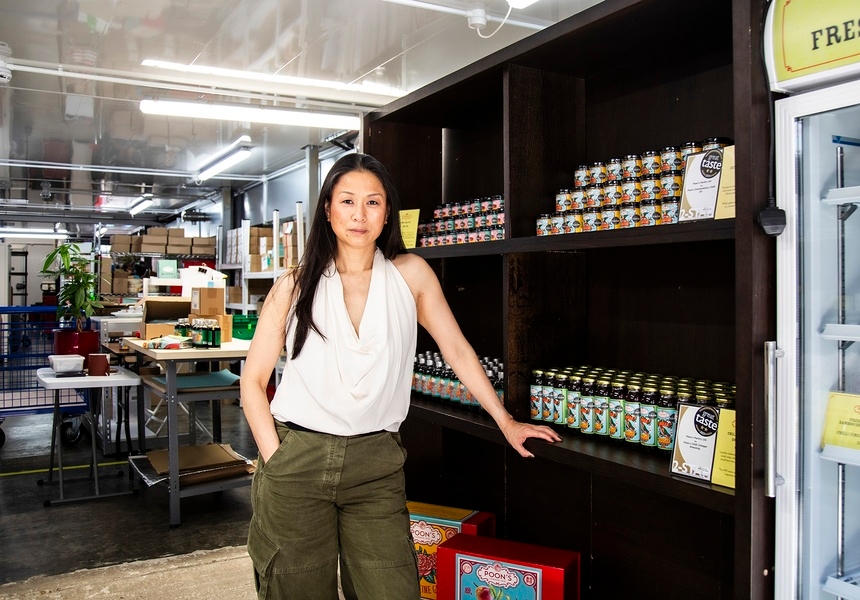
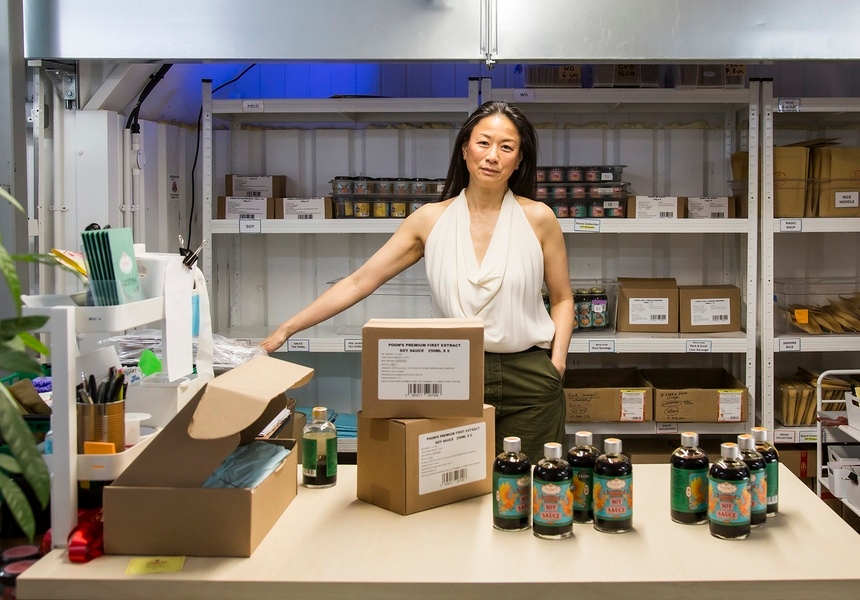
Amy Poon is committed to educating people on why, when it comes to soy sauce, “first extract” matters. She’s the daughter of Bill and Cecilia Poon, founders of the original Poon’s restaurants, which were hugely popular in the ’70s and ’80s. In 1980, Bill Poon became the first Chinese chef in the UK to run a restaurant with a Michelin star, for his restaurant group’s most renowned venue, Poon’s of Covent Garden. After 30 years, the last remaining Poon’s restaurant closed in 2002 – but in 2018, Amy decided to bring the brand back. A three-month Clerkenwell pop-up reignited Poon’s, which grew into an increasingly popular series of “Wontoneria” residencies. Alongside that, she produced sauces and other products from her production kitchen under railway arches in Bermondsey. This month, she opened her first permanent restaurant, Poon’s, in Somerset House.
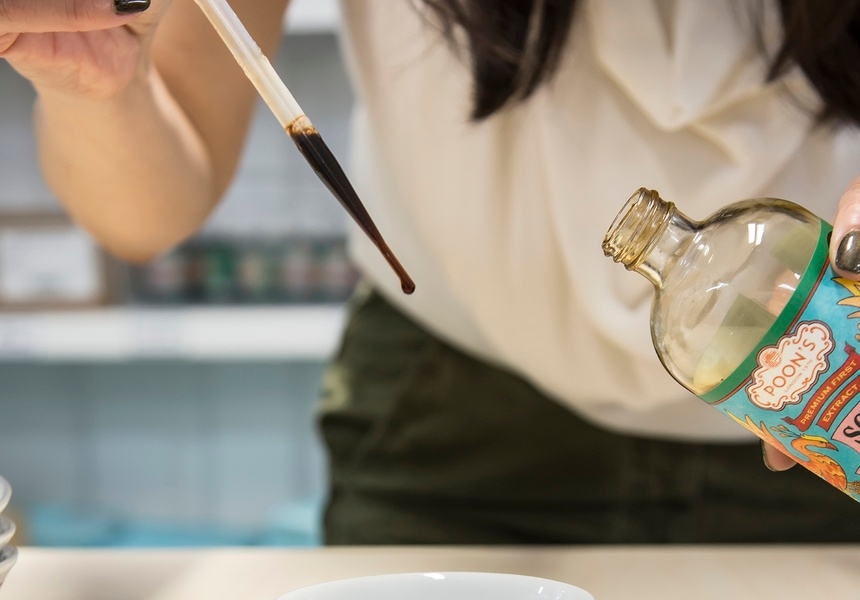
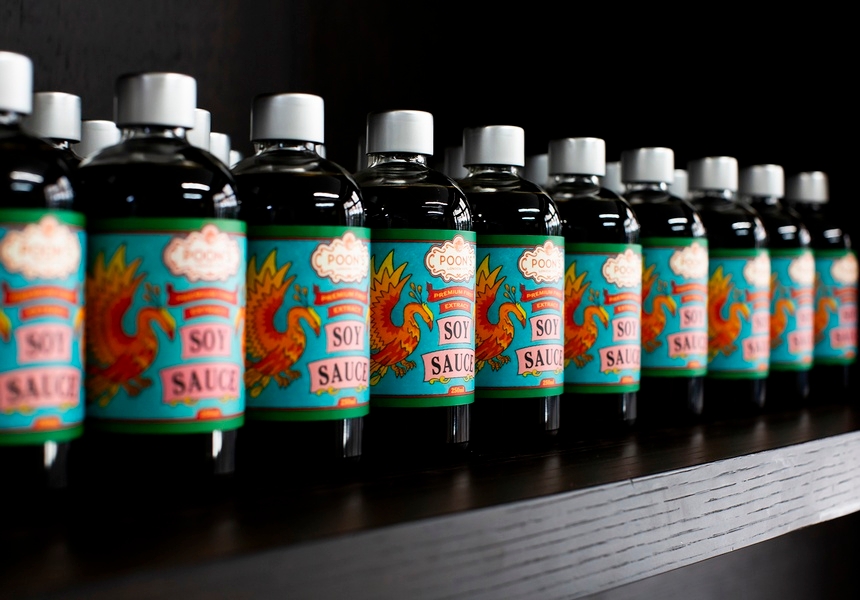
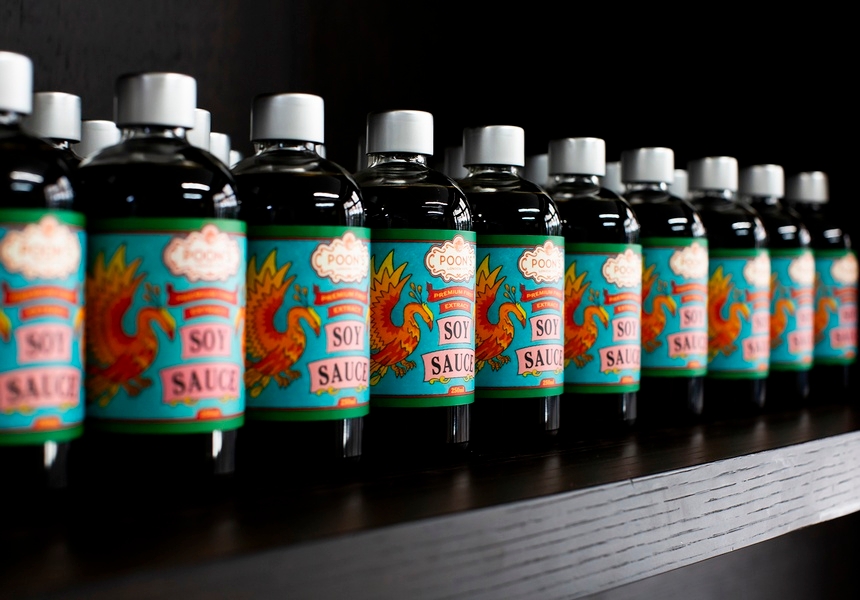
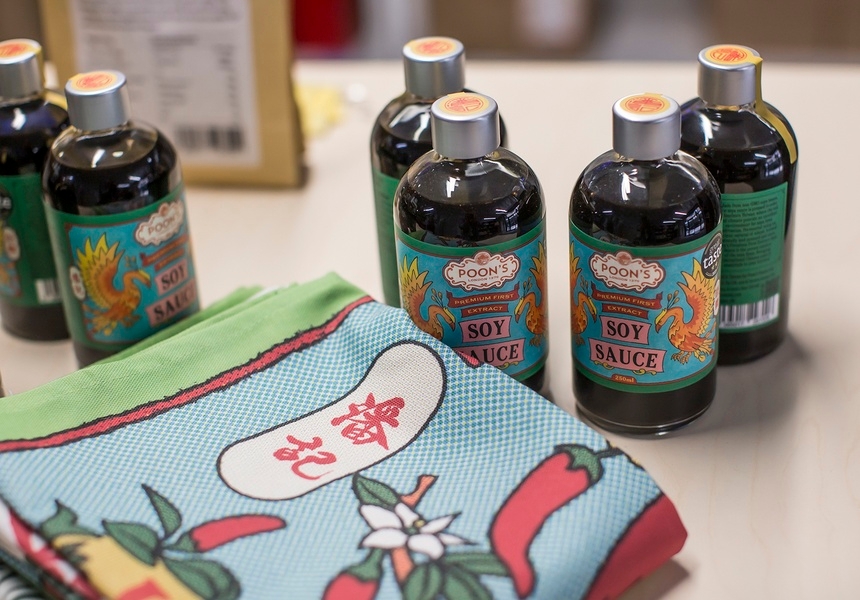
Naturally, Poon’s soy sauce is the only soy sauce available in her restaurant. It’s the product she’s particularly proud of. “I know it sounds crazy, but I ask people when they come in for tastings to just have a shot of soy sauce,” Poon tells Broadsheet. “The overwhelming response is always ‘Wow!’”. Soy beans are integral to the Chinese diet in many forms, and for Poon, they deserve the same respect as olive oil now receives.
Most commercial soy sauces are made using the husks of soybeans (aka the leftover material from the bean after the oil has been extracted). “That’s like trying to make wine from grape skins,” Poon explains. “They press the husks, ferment them, add water, re-press them again and again, until they’ve squeezed out every last drop, like a teabag. The end product often includes added salt, caramel for colouring, and sugar.”
Poon’s soy sauce is made using the whole soy bean. It’s mastered by a small producer in southern Taiwan, a region known for its fertile soil, pure water, and optimal climate. “It’s pretty much the Kent of Taiwan,” she says. The beans are sown in September, harvested in December, and immediately frozen at a temperature where they’re still biologically active. That means they can still sprout whenever they need to. This step is crucial, as Poon only works on a pressed-to-order basis to ensure optimal freshness.
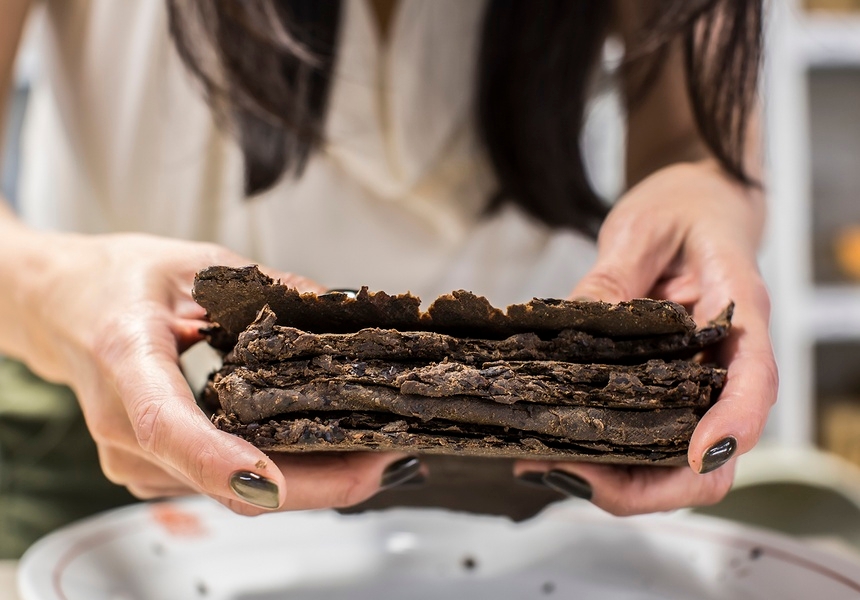
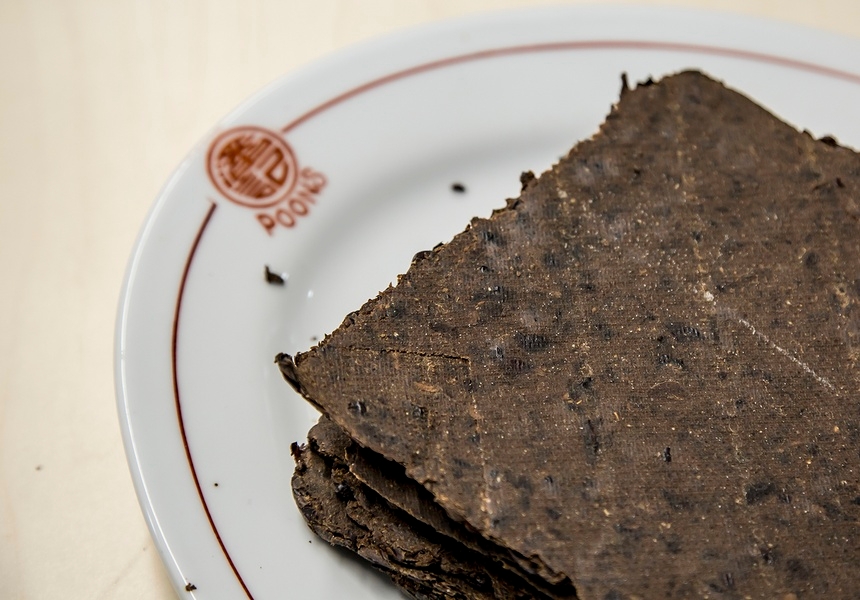
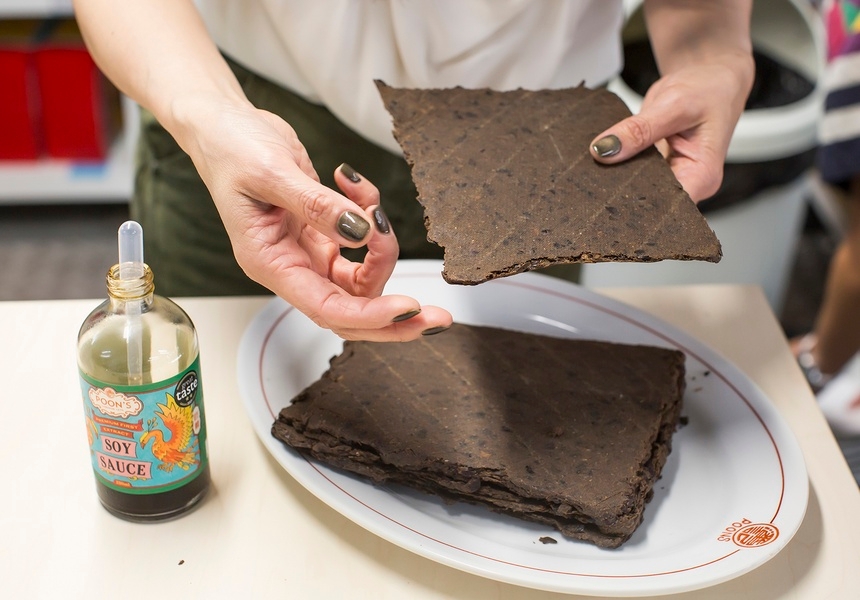
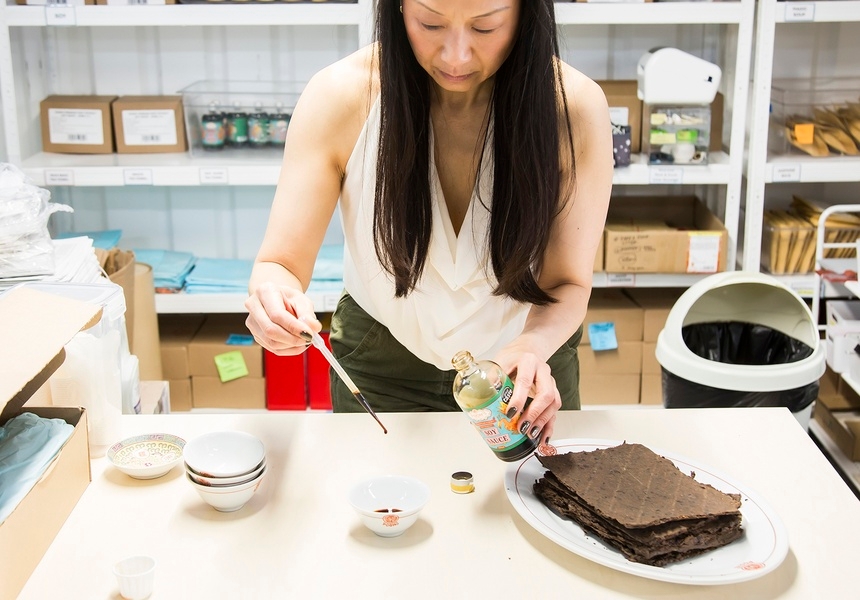
In her production kitchen in Bermondsey, Poon steams the beans and allows them to ferment naturally, using an ancient wheat varietal naturally low in gluten. She’s then left with a pungent, liquid-rich mulch, which is layered between cloths and placed in a giant press. A heavy weight is applied, and the liquid that comes out is the first press. It’s pure, unadulterated soy sauce – as close to the bean as possible.
“I often say to people when they taste it: can you taste the bean? Because you should be tasting bean,” Poon says. “It’s easy to forget that soy sauce is made from beans when the commercial stuff is so far removed from the original ingredient. But if you don’t know, you don’t know. But once you do – you know.”
London Pantry is a series celebrating ingredients made by London’s greatest producers that have gone from cult classics to kitchen staples.