The Japan Foundation Touring Film Programme, the UK’s largest annual celebration of Japanese cinema, starts on February 6. It’s a two-month bounty of Japanese film, with 36 cinemas across the country screening 26 features. The programme spans crime thrillers, horror films, documentaries and even anime, and they’re all united by a thematic thread: The True Self in Japanese Cinema.
Where to start? Senior arts programme officer and festival curator Junko Takekawa shares her top picks.
Sham (Takashi Miike, 2025)
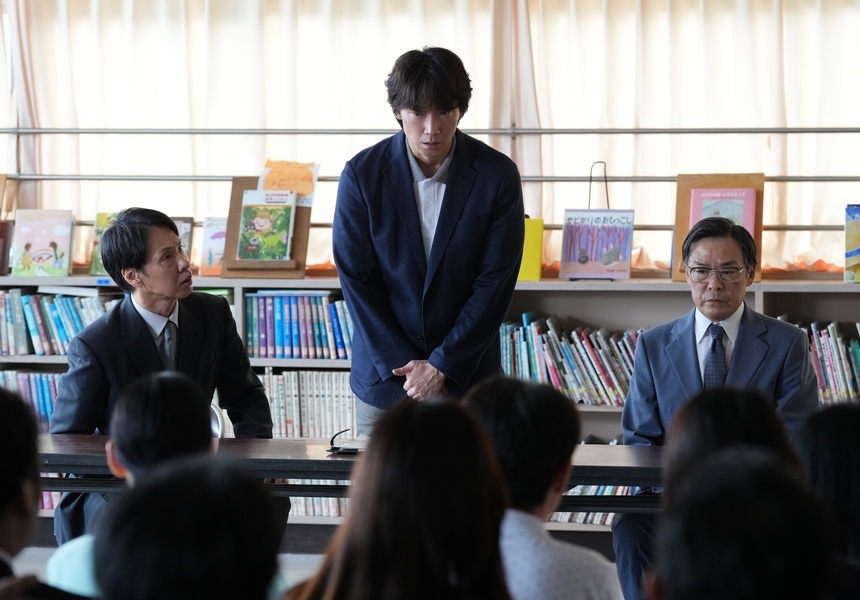
“Takashi Miike is one of the biggest filmmakers ever produced in Japan,” says Takekawa. Miike is renowned for horror films like Audition, as well as his samurai and yakuza films, including Dead or Alive and 13 Assassins. But Sham, a courtroom drama based on a widely publicised crime case in which a school teacher was accused of abusing a student, is a film that even the director admits is unlike anything he’s made before.
The film is based on journalist Masumi Fukuda’s groundbreaking report on the 2003 trial, Fabrication: The Truth About the Fukuoka Murder Teacher Case. While Takekawa was already familiar with Fukuda’s work, he was “completely taken aback by how Miike made this social drama so expressive and intriguing”. Echoing Akira Kurosawa’s influential 1950 classic Rashomon, in which eyewitnesses tell different accounts of the same event, the story unfolds the perspective of both accuser and accused, leaving audiences to ponder which version of events is the truth.
“A video message from Miike will be screened in cinemas,” adds Takekawa. “He talks about how people’s impressions are often preconceived without much thinking. It ticks a box of this year’s theme – ‘true self’ – and whether you really know somebody.”
February 6, Institute of Contemporary Arts; February 21, Riverside Studios.
The Hotel of My Dream (Yukihiko Tsutsumi, 2024)
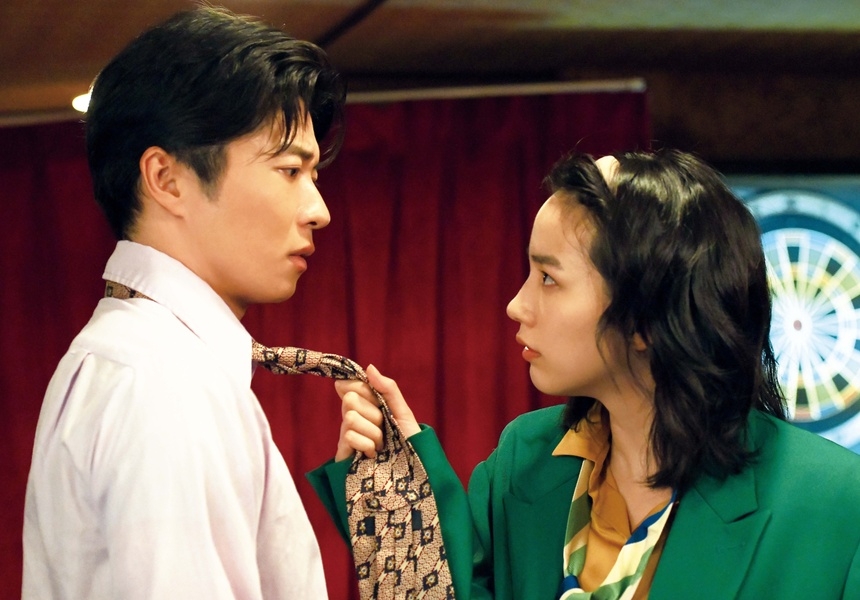
Author Asako Yuzuki is known in the UK for her 2017 bestseller Butter. More recently, her semi-autobiographical 2012 novel The Hotel of My Dream was adapted into a film. Takekawa read the novel long before the adaptation was shot. “It reveals how much young novelists have to struggle to make themselves known,” she says. “When I heard it had been made into the film – with Yuzuki even appearing in a brief cameo – I knew I had to include it.”
Retaining the book’s setting of Jimbocho (a Tokyo neighbourhood known as “book town”), this story – of a beret-wearing novelist who adopts alter-egos to fool a veteran author – unfolds in a famous real-world hotel where writers like Yukio Mishima and Kazuo Dan wrote their novels. But by shifting the timeline to the mid-’80s, director Yukihiko Tsutsumi has brought his own twist, with retro costume design adding plenty of charm. February 14, Institute of Contemporary Arts; February 18, Riverside Studios.
Adabana (Sayaka Kai, 2024)
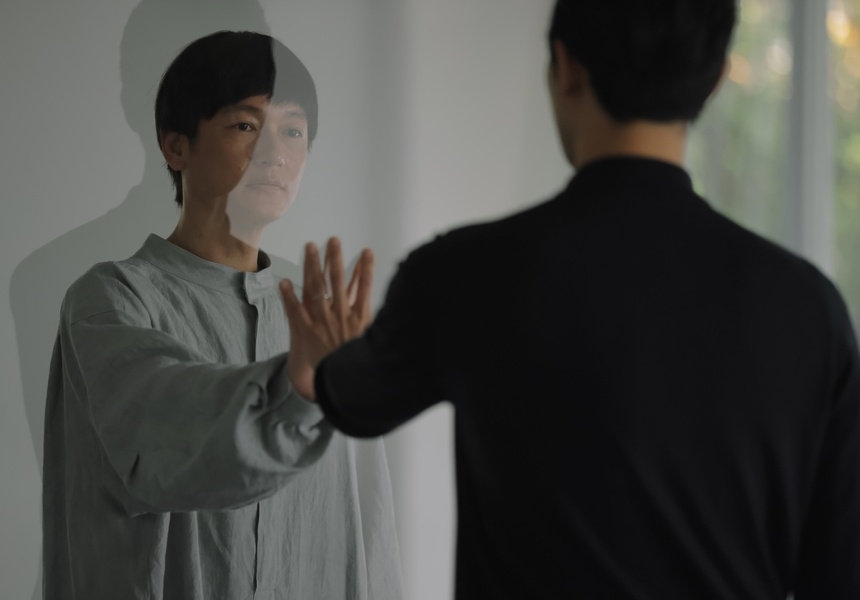
The most Black Mirror-esque production at this year’s festival stars Kiko Mizuhara (Norwegian Wood) as a psychologist who, in the near future, assists a terminally ill father as he prepares for a major organ transplant. When he meets with the donor – a perfect biological copy of himself – it sparks a philosophical journey that reckons with ethics, identity and purpose.
Takekawa says the film’s writer-director Sayaka Kai spent 20 years developing this thought-provoking sci-fi. Audiences can ask her about its production – and its “beautiful camerawork” – at a post-screening Q&A at Riverside Studios. “Now is an interesting time to think: What would life be like if you had your own clone who was a better person than you? Would you lose yourself, or feel unworthy?” says Takekawa.
February 11, Institute of Contemporary Arts; February 26, with a director Q&A, Riverside Studios.
The Final Piece (Naoto Kumazawa, 2025)
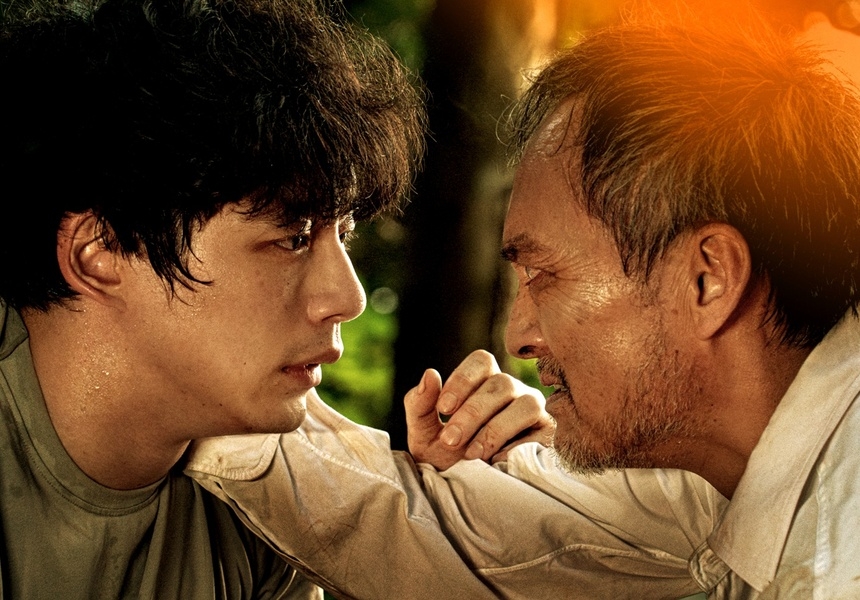
Even those unfamiliar with actor Ken Watanabe’s extensive acting career in Japan will recognise him from Hollywood hits like Inception, The Last Samurai and Godzilla. But his co-star in The Final Piece, Kentaro Sakaguchi, is one to watch, says Takekawa. “He’s very popular in Japan, and I think this could be a breaking point [in his career].”
Sakaguchi, a former fashion model, is known for playing nice guys. But here, he’s a Japanese chess whizz suspected of wrongdoing after a skeletal corpse is discovered clutching a bag of antique shogi (Japanese board game) pieces. “The film is based on a crime novel by Yuko Yuzuki,” says Takekawa. “And though none of her works have been translated into English, she is very well known in Japan as a novelist who can write in depth about gangsters and murky police procedurals.”
Yuzuki’s writing has been adapted into other hit crime thrillers like 2018’s The Blood of Wolves, so it’s no surprise that director Naoto Kumazawa had strong source material material to work with. “It’s a powerful and enlightening film,” Takekawa says.
February 15, Institute of Contemporary Arts; February 22, Riverside Studios.
Blue Boy Trial (Kashou Iizuka, 2025)
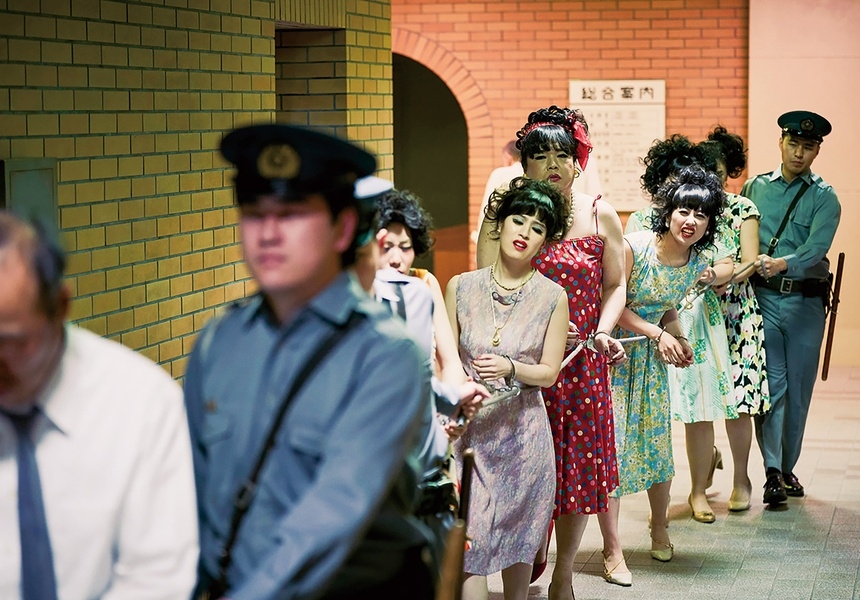
Blue Boy Trial was released in Japan in November, following an appearance at Tokyo International Film Festival. But when Takekawa read the synopsis – the film is inspired by an incident in 1965, when a doctor was prosecuted for performing sex reassignment surgeries on three trans women – she felt the film could be a great inclusion, especially as two of director Kashou Iizuka’s previous works have been showcased at prior Japan Foundation Touring Film Programmes.
“He’s a transgender man, and he’s a real champion of LGBTQ+ causes,” says Takekawa. “And importantly, he used real transgender actors in the film, which makes these sincere and important messages feel even more truthful.” And though the work does weave fiction in with history, the result, says Takekawa, is watchable and accessible to everybody – be it the LGBTQ+ community, or those just interested in wider Japanese history and culture.
February 13, with director Q&A, Institute of Contemporary Arts.
The Japan Foundation Touring Film Programme runs from February 6 to March 31.