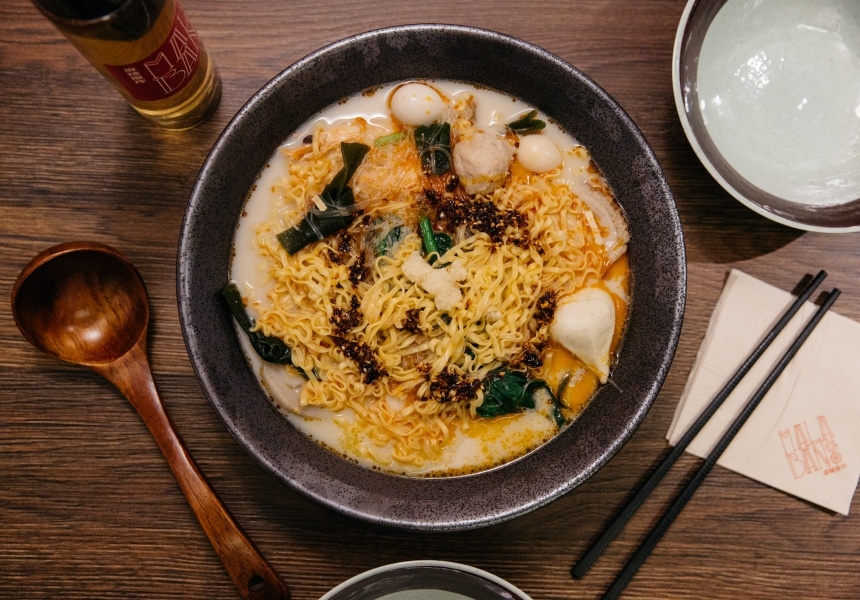
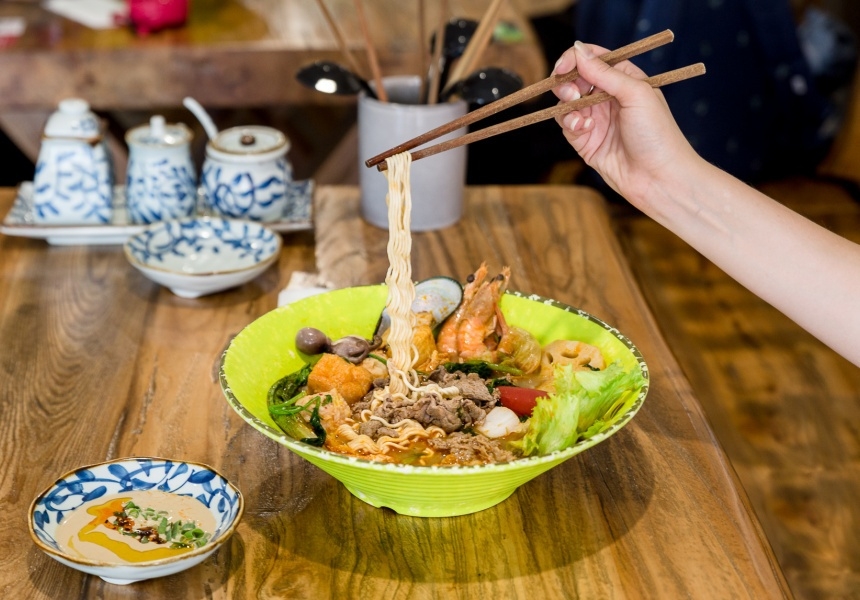
What started as everyday street food in Sichuan and north-east China, and later a staple in London for homesick students, is quickly becoming a popular customisable comfort meal in London.
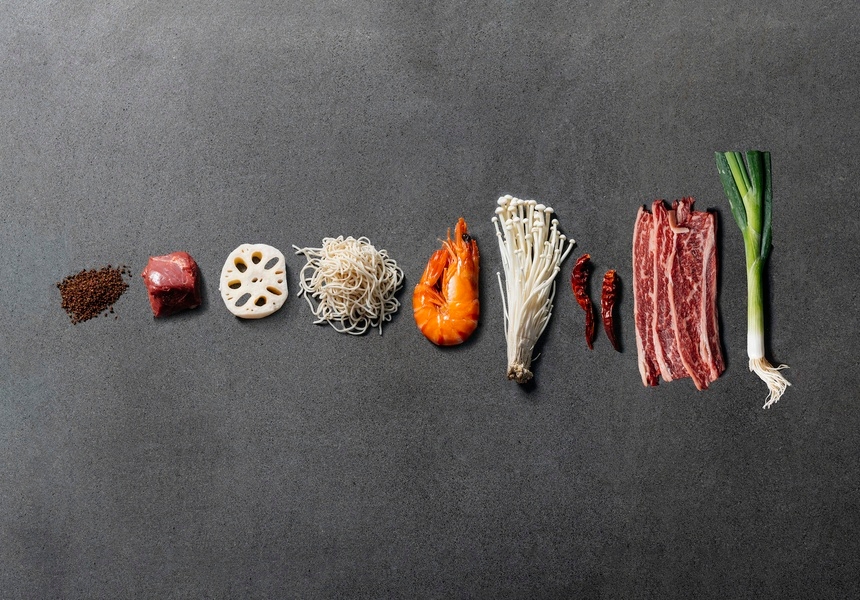
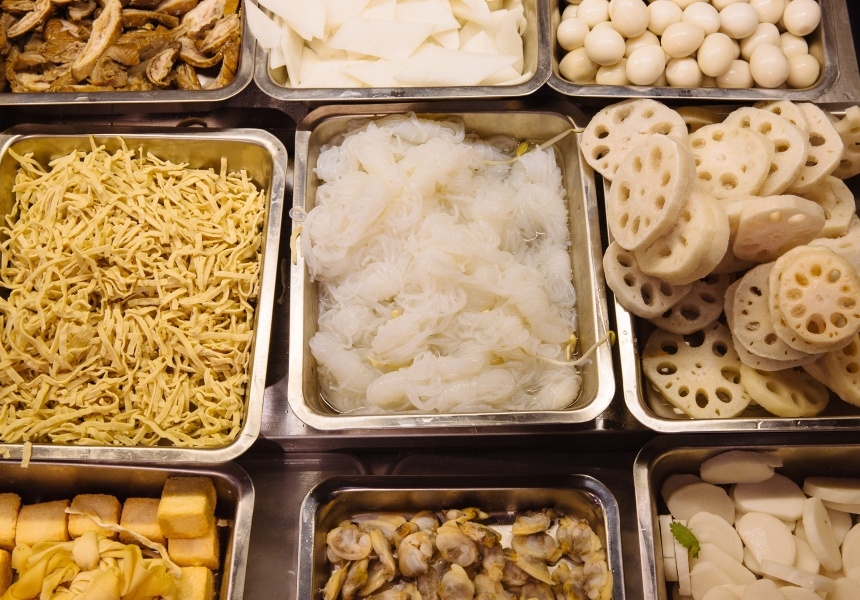
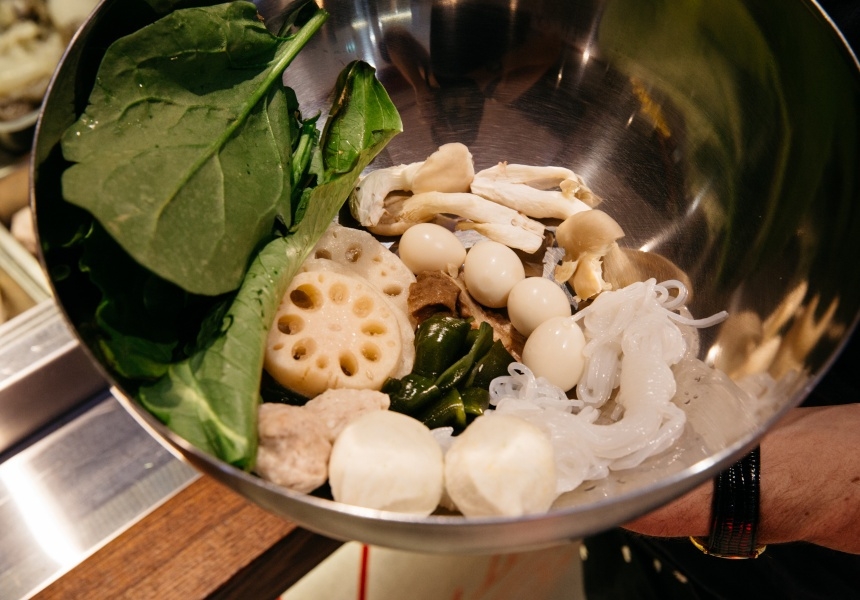
Malatang (named for the Sichuan peppercorn-heavy sauce, mala) differs from traditional hotpot in that everyone gets their own bowl: there’s no sharing, cross-contamination and fighting over the last piece of spam. You take a basket and pick your ingredients from a chilled counter – anything from sliced meats and seafood to tofu, mushrooms, greens, noodles and a variety of add-ons like fish, meatballs and herbs – then choose your soup base and spice level. The bowl is weighed, priced and cooked to order.
First-timers may find the process intimidating: how many ingredients should you choose? Does going heavy on sauce overpower the flavour of the broth? I asked a handful of regulars to share how they malatang – their orders, golden rules, spice strategies and small hacks for crafting the perfect bowl – plus where in London they get their fix.
You’ll find me at Mao Master Hotpot Noodle, by Russell Square. It’s not technically malatang, but it specialises in maocai, a Sichuan-style hot pot designed for people who want their own bowl. Depending on my mood, I rotate between the classic spicy broth, a comforting chicken broth, or the fresh tomato one. I am a lifelong instant noodle fan, and Shin Ramyun remains my gold standard for soaking up flavour while keeping its bounce and chew. For toppings, I lean towards sturdier vegetables that hold their shape, like potato slices, lotus root, enoki mushrooms and Chinese yam. On the protein side, it is all about absorption. Tofu puffs, crispy bean curd rolls and, always, spam, because spam is for life. Extra minced garlic is non-negotiable.
Irene Hua, chef at Zao An Café
Favourite malatang restaurant: YGF Yangguofu Malatang Chinatown 杨国福麻辣烫中国城店
“I always opt for sliced meat and vegetables because I think it’s great value for weight. I tend to go for fresh ramen noodles and keep mine simple with pak choi, gai lan (Chinese broccoli), giant spinach and beef or lamb slices with mini youtiao (deep-fried dough sticks) and lots of coriander. I choose things that are good to have fresh that I can’t buy in or cook at home. I don’t like mine too spicy, but I think the classic herbal beef bone broth is delicious, so I don’t even need sauce most of the time (even though I still love the sauce station). It’s a creamy bone broth with a bit of heat but not too oily, which I really like.”
@huabyirene
Shu Lin, food and travel writer
Favourite malatang restaurant: Mr Wang, Aldgate
“They say a problem halved is a problem shared. Clearly, whoever said that has never had to agree on a hot pot order – negotiating over spice levels, soup bases, and whether five portions of frozen tofu is too much (it’s not). I love Mr Wang in Aldgate. First-timers are recommended to aim for 400 to 500 grams [of ingredients] per person, but I frequently go over. I opt for a medium-spiced milky broth (there’s also no spice and dry options, too). And being Cantonese, my order is a textural dream: beef rolls, beef tripe, lotus root, Fuzhou fish balls, a lot of frozen tofu, wood ear mushrooms, fish roe balls, and a small handful of sweet potato vermicelli. But the magic is in the sauce. A ladle of Chinkiang black rice vinegar, light soy, a big dollop of sesame sauce, chilli powder, topped with a generous mound of potent minced garlic, coriander and spring onions. Leave room for dessert (I go for the jasmine jelly with taro bubbles) and then pat yourself on the back for a hotpot well done.”
@dejashu
Wei Guo, food writer
Favourite malatang restaurant: Mealtime Malatang, Fitzrovia
“Malatang was one of my favourite after-school snacks in the early ’90s. I’m from Gansu province, which is very well known for great malatang, even though the dish itself originates from Sichuan. As for the soup base, it has to be mala (麻辣), numbing and spicy. For me, it wouldn’t be malatang with any other base. Toppings-wise, regardless of weight or price, I always stick to a few favourites: sliced lamb, sliced beef, Chinese spam, fresh tofu, tofu skin, sliced potato, oyster mushrooms, kelp and leafy greens. I like my malatang quite spicy, and I don’t add any extra sauce.”
@red.house.spice