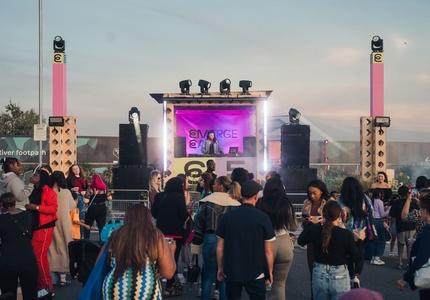
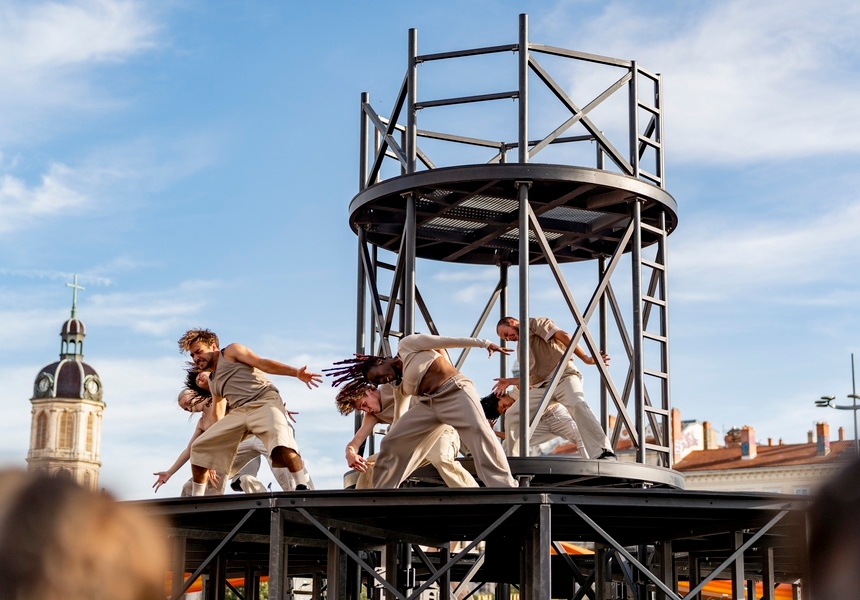
On the continent, the warmest months are accompanied by a kaleidoscopic array of outdoor festivals that bring new energy to languorous summer days. But when artistic director Bradley Hemmings first created Greenwich and Docklands International Festival (GDIF) in 1996, performing outdoors in the notoriously unreliable great British summer was radical. “In the ’90s, Londoners didn’t have the same kind of appetite for enjoying themselves al fresco. It was hard to find even a pavement cafe,” he tells Broadsheet.
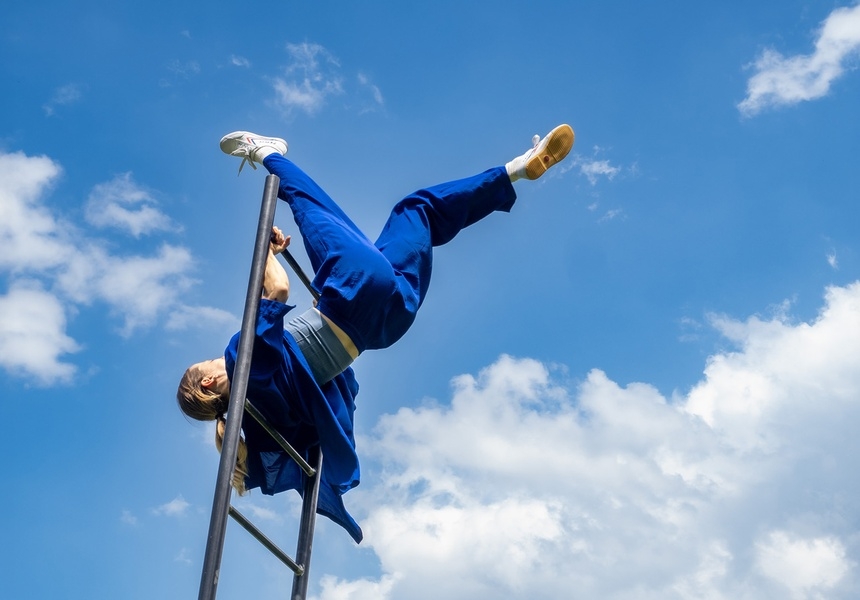
Now, three decades on (and quite a bit of global warming later), GDIF (running until Sunday, September 6) is a beloved late August fixture in a summer calendar of open air events – and now, it feels radical for new reasons. Most obviously because, post-Brexit, it’s a platform for the kind of international voices that it’s getting harder and harder to find inside our theatres. But also because its line-up of eclectic dance and physical theatre is completely free – a powerfully inclusive gesture in a city where ticket prices for live performance keep on rising.
This year, the loose theme is We Move. “The past couple of years haven’t been the easiest for any of us,” Hemmings says. “But London has a spirit – going right back to the Blitz – of resilience, of getting together as a community and picking ourselves up after difficult things. The phrase ‘we move’ is a lovely way of expressing that.
GDIF has two main tentpoles: family-friendly opening celebration Greenwich Fair, and mini-festival Dancing City. But around those big weekends, it takes an organic form. “It doesn’t happen like other festivals: I don’t sit down with a budget at the beginning,” Hemmings says. “We build partnerships with different places, to create and fund every event from scratch.” This approach means that GDIF’s performances are site-specific, designed to respond to the often-overlooked London locations they pop up in. Read on for Hemmings’s guide to seeking out its highlights.
I Have No Name (part of Nature Speaks), Thamesmead
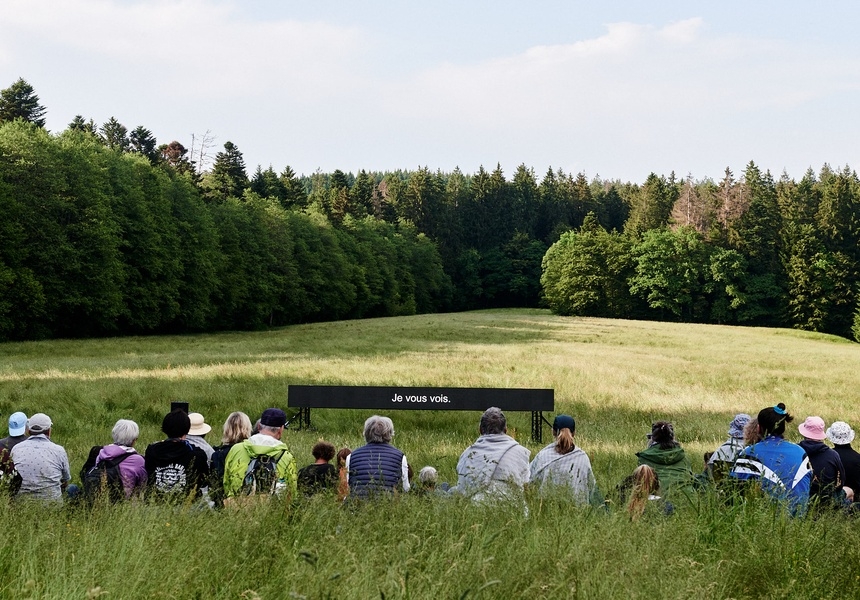
Created by Catalan company El Conde de Torrefiel, this performance brings the audience into a surreal, ritualistic dialogue with nature through storytelling, imagery, music and sound. “I originally saw this piece in the caldera of a volcano, in the foothills of the Pyrenees,” Hemmings says. Now, it’s being staged in a location that’s utterly different, while offering odd symmetries: Tump 53, a former munitions dump in Thamesmead that’s cocooned by a circular moat. “It’s a magical space – it’s been transformed into an idyllic nature reserve that really invites reflection,” Hemmings says. September 4 & 5.
Meet Me By The Fountain, Romford Market
This performance by UK company Variable Matter recreates a lost Romford landmark: the brutalist fountain that once stood in the town centre. “It was an icon for local people. It’s long been demolished, but these sort of places live on in folklore,” Hemmings says. Now, its waters are flowing once more. This creative installation uses 3D projection, light, sound and storytelling to tell the market’s stories, from medieval times to the future. “It’ll show locals that their town centre is something to be proud of, as well as introducing it to newcomers.” August 28 & 29.
Dancing City, Queen Elizabeth Olympic Park
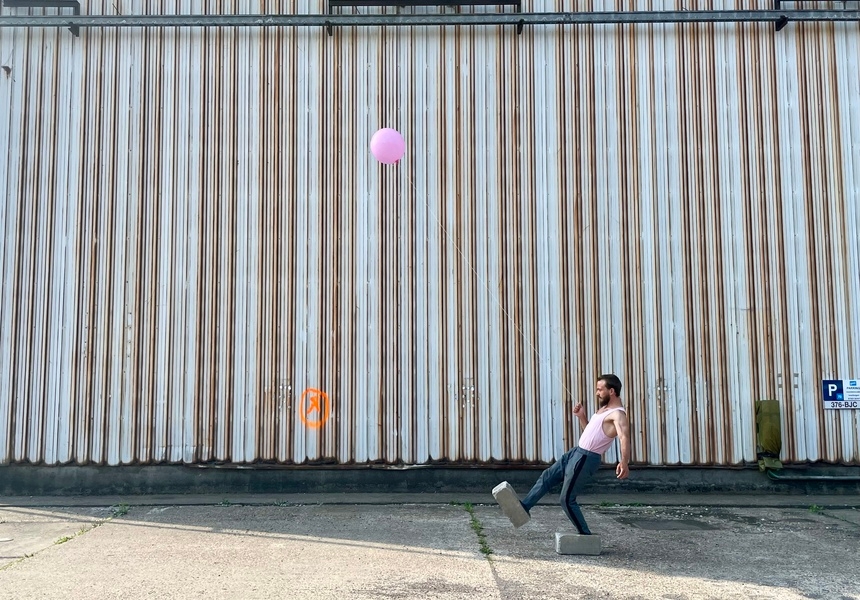
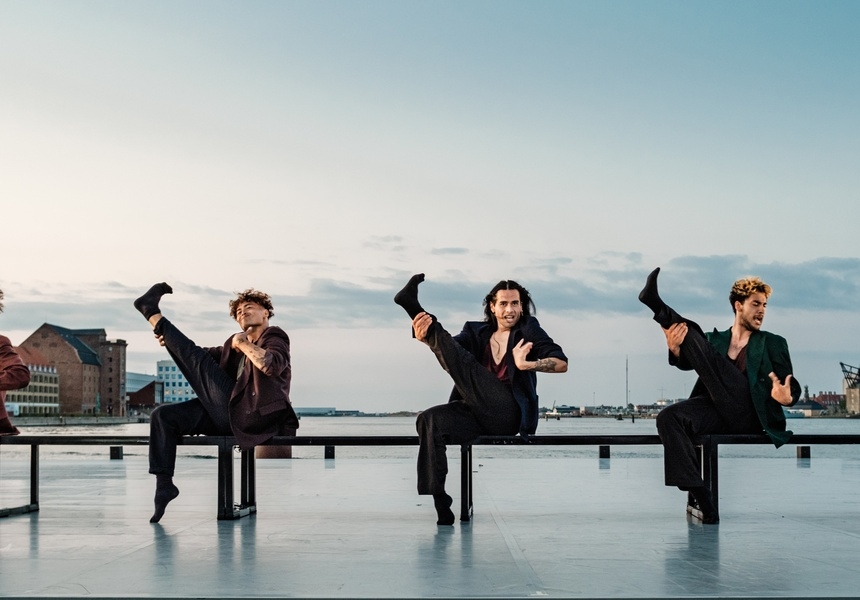
“Audiences love Dancing City, and really look forward to it every year,” Hemmings says. It’s vanishingly rare to find free dance performances in London, and this festival-within-a-festival serves up a whole line-up of inspiring contemporary acts from all over the world. This year’s highlights include Garbh, which riffs on Gujarati mourning traditions, and Kokkon, a Belgian work performed by a dancer whose feet are encased in concrete blocks. September 5.
Efectos Especiales, Greenwich Peninsula
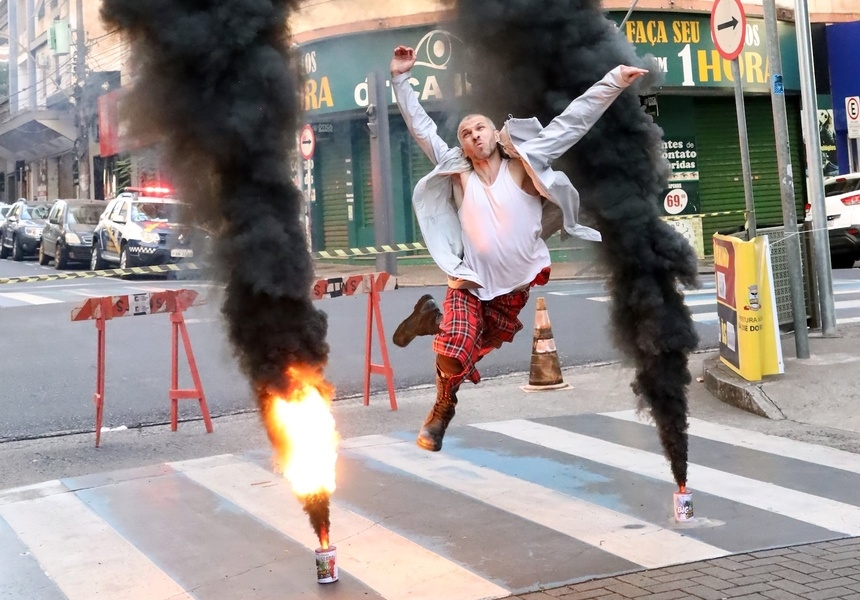
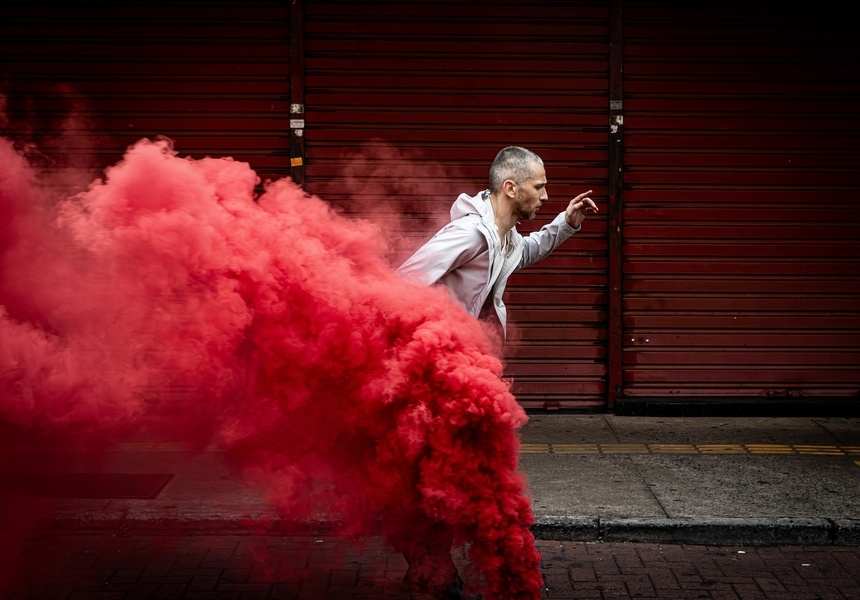
“It’s very hard to describe – it’s completely and utterly off the scale,” Hemmings says, trying to sum up this huge, genre-blurring performance from Argentinian duo Luciana Acuña and Alejo Moguillansky. It’s a live cinema show where cameras follow a single actor through a series of choreographed calamities, including howling gales, sudden downpours and bursts of flame. “There are live DJs, and loads of opportunities for spectators to get involved,” Hemmings says. “It’s been done all over the world, and we’re so excited to bring it to London.” August 29 & 30.
(In)visible Dancing, Woolwich Town Square
“The genius of this production is the way that it pops out of the everyday,” Hemmings says. “You might be walking past the queue for an ice-cream van, and suddenly it’ll burst out into choreography.” Created by Luca Silverstrini’s Protein Dance, this performance gradually builds into a grand spectacle performed by community groups of all ages, from students to Caribbean elders. “It’s utterly joyous, and I couldn’t think of a better way to end this year’s festival,” sums up Hemmings. September 6.