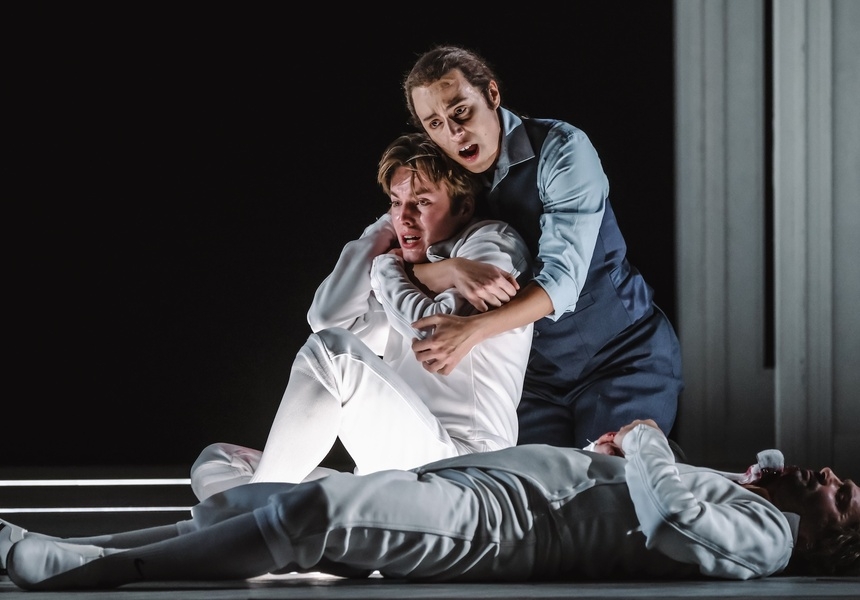
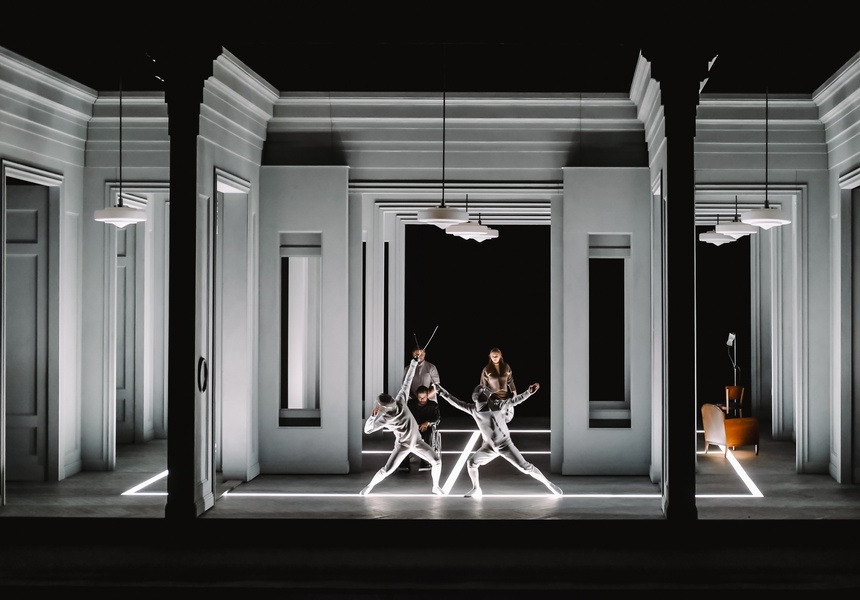
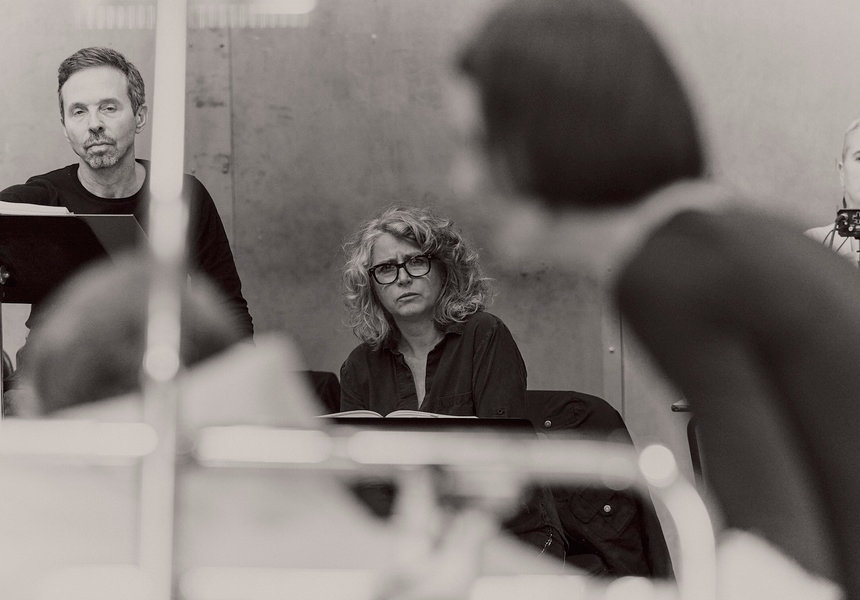
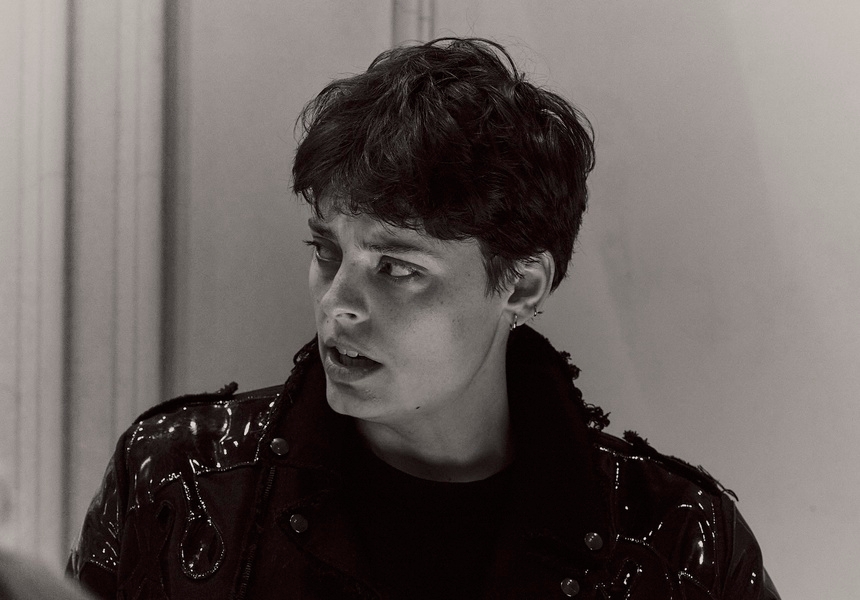
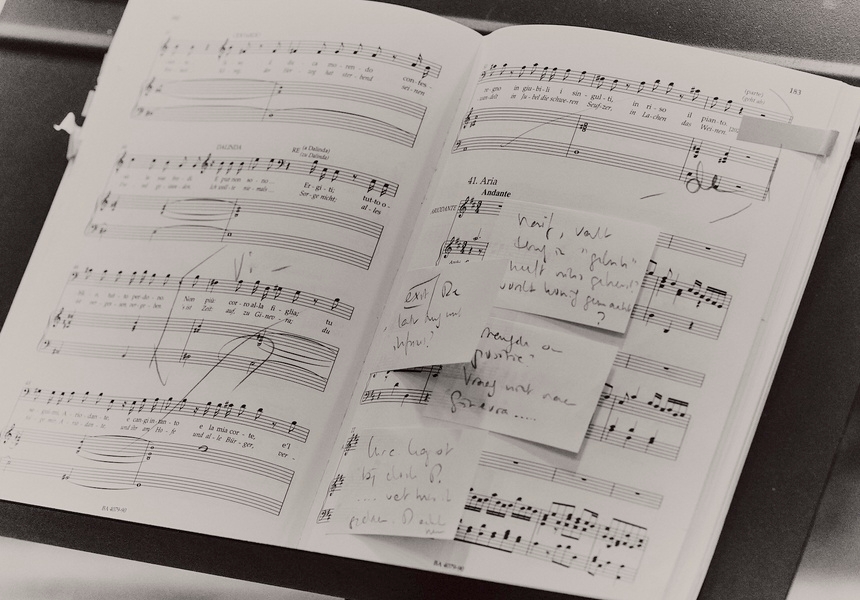
George Friedric Handel might have been born in Germany, but he was unquestionably a Londoner, living in the city for almost 50 years. He composed dozens of operas that premiered in the capital, including at least seven for the Theatre Royal, Covent Garden (as the Royal Opera House was then known). Ariodante, which premiered in 1735, was the first.
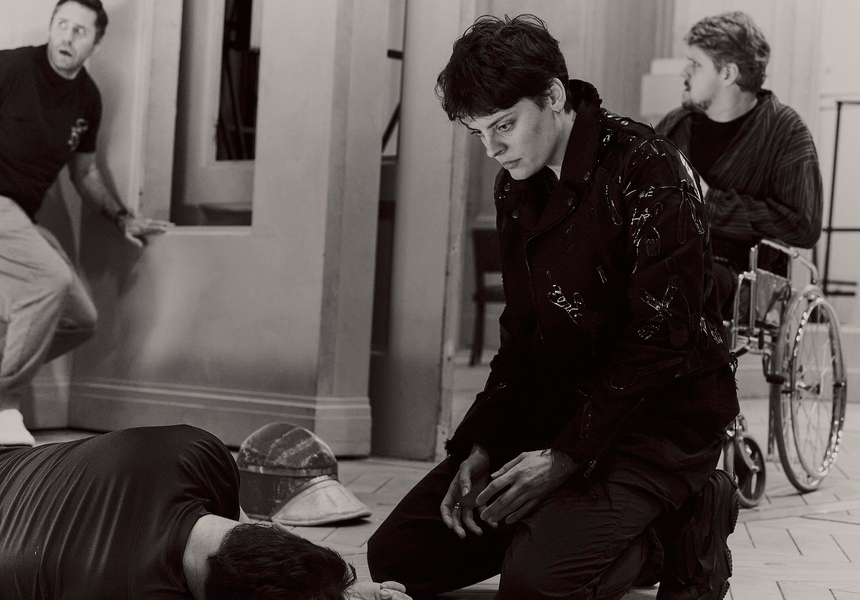
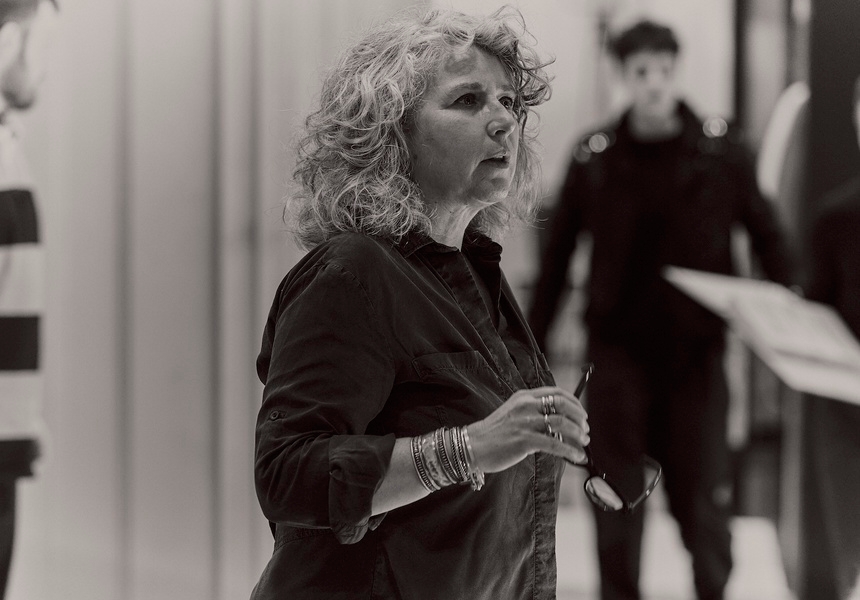
In December, Ariodante is returning to its original venue for the first time since its premiere 290 years ago, with a world-class cast and top-tier director, Jetske Mijnssen. And although Ariodante may have been written nearly three centuries ago, it’s been given a slick contemporary design to reflect a story that Mijnssen believes will resonate with 2025 audiences.
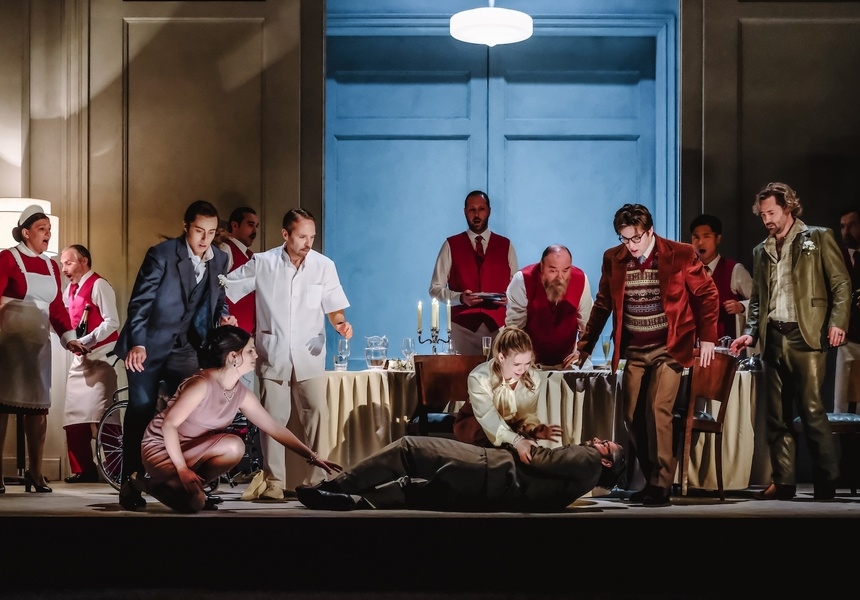
“The story is so strong and every aria is like a gift for you to unwrap – you don’t get that in every opera,” she tells Broadsheet. “There are no supernatural elements like dragons or gods. The characters are real people who have real problems to solve. I want audiences to feel as if they’re watching a play as much as an opera.”
Mijnssen – a Dutch director making her Royal Opera debut – believes Ariodante is Handel’s “absolute masterpiece”. The opera (which is based on a 16th-century epic poem by Ludovico Arisoto) tells the story of the beautiful Princess Ginevra and dashing Prince Ariodante, who are set for the wedding of the year until Ginevra is accused of infidelity. “Ariodante and Ginevra start as rather arrogant, entitled young people who know that they’re beautiful and important and don’t believe that anything could go wrong for them”, she says. “I’m always interested in the point where we lose control. So many operas are about trying to do good but then failing. That’s the place where I feel really connected.”
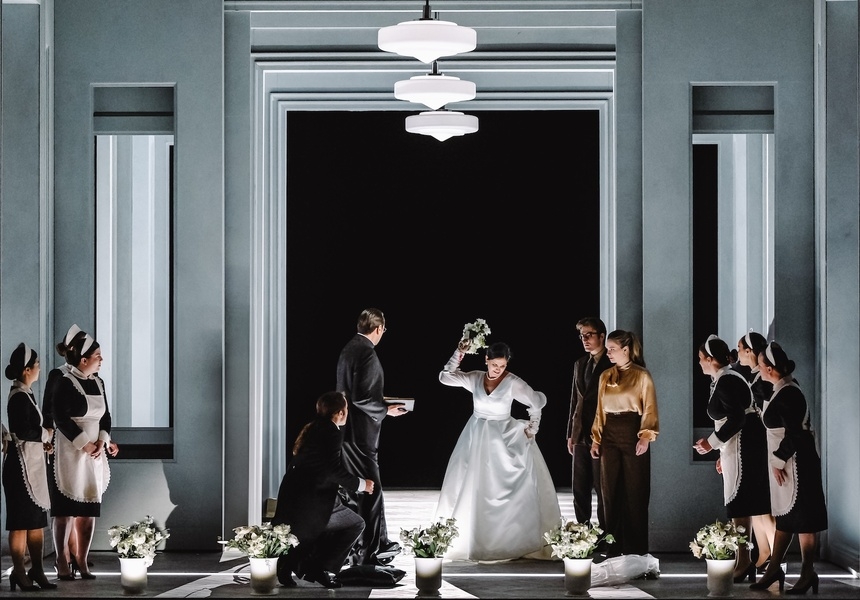
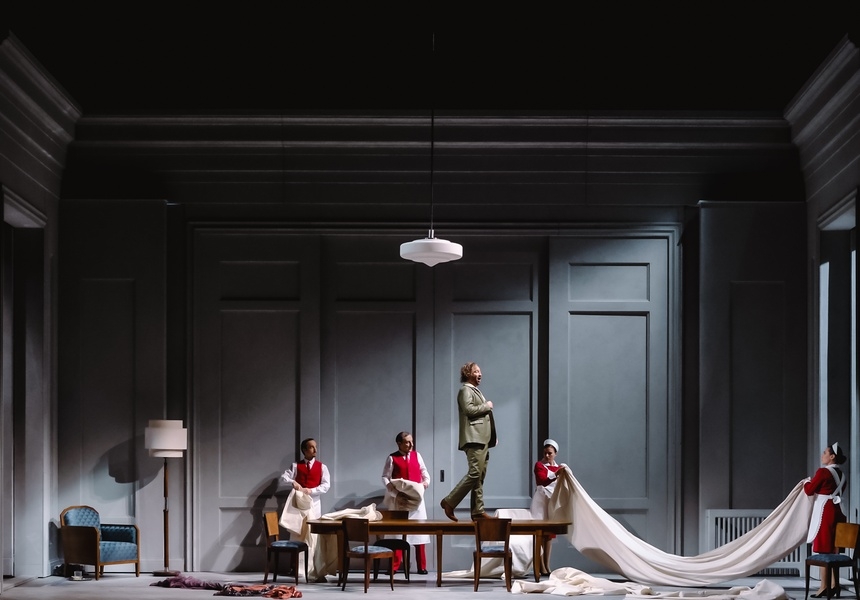
When Mijnssen and her team first sat down to discuss the production concept, they immediately knew that they wanted to use a contemporary setting (“But that doesn’t mean the characters wear jeans!” she hastens to add). Set designer Etienne Pluss has created a sleek and elegant design reflecting the current taste for “quiet luxury”. The production is sung in Italian with English subtitles, which are displayed on screens across the auditorium and above the stage.
When the piece premiered in 1735, the title role was played by Senesino, a star castrato. This time around, he is portrayed by Emily D’Angelo, the striking Canadian-Italian mezzo soprano making waves internationally. In 2023, she starred as a fighter pilot in the Iraq war in Jeanine Tesori’s acclaimed opera Grounded – a role that Tesori wrote with D’Angelo in mind.
“Emily has exceptional stage presence and she and Jacquelyn Stucker [who plays Ginevra] are a stunning pair,” Mijnssen says. Ginevra isn’t asked for her side of the story when she is accused of infidelity but it’s important to Mijnssen that the production shows her strength and growth throughout her ordeal – and that the men learn from their mistakes too.
“The cast are all extraordinary singers who can and want to act and become their characters. It’s so rewarding on both levels.”
Ariodante runs from December 9 to 21 at the Royal Opera House.