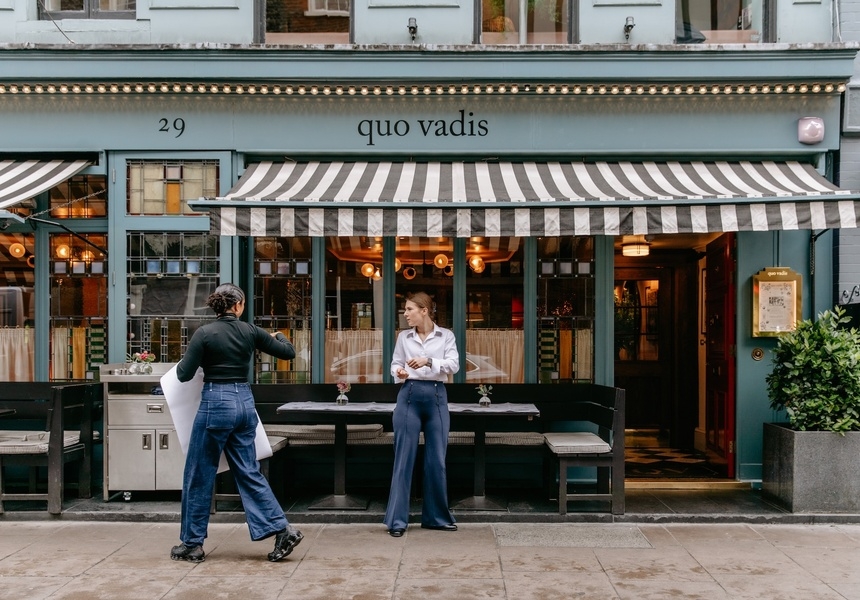
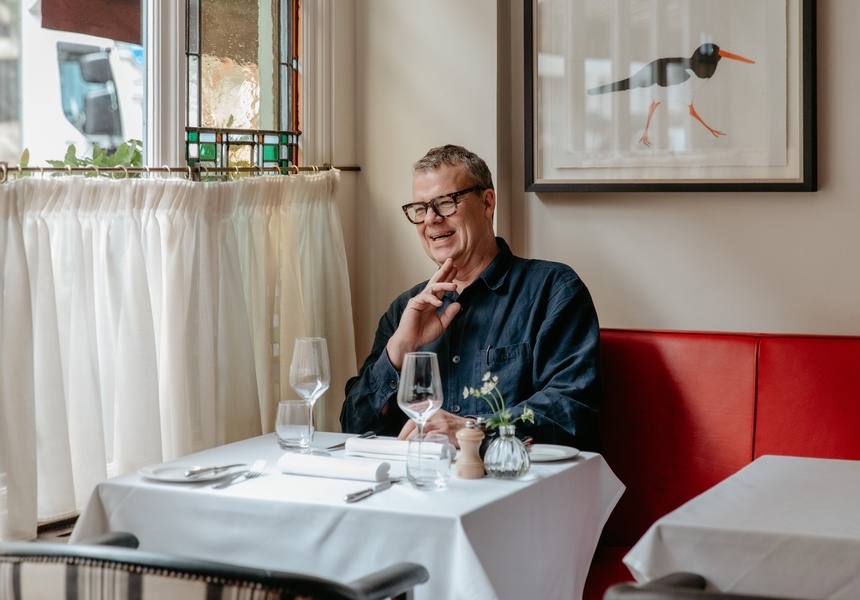
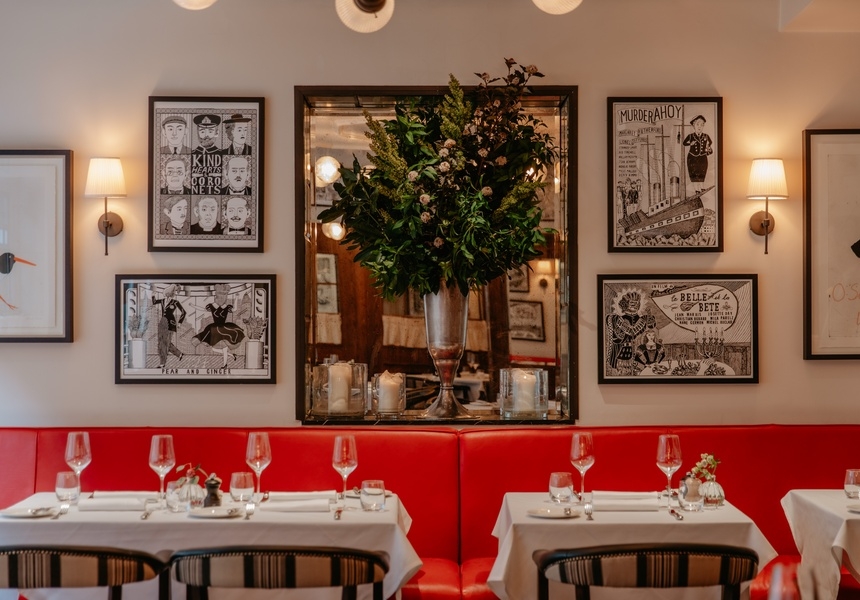
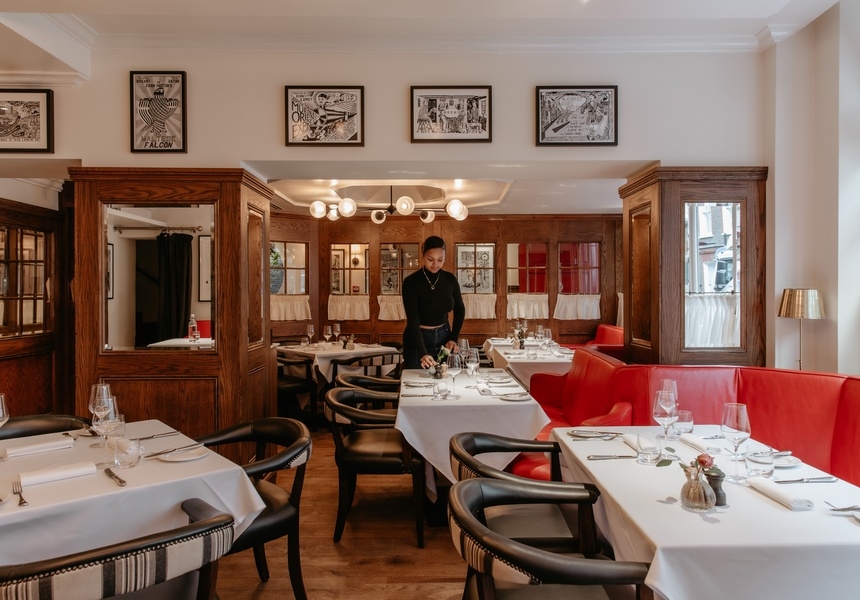
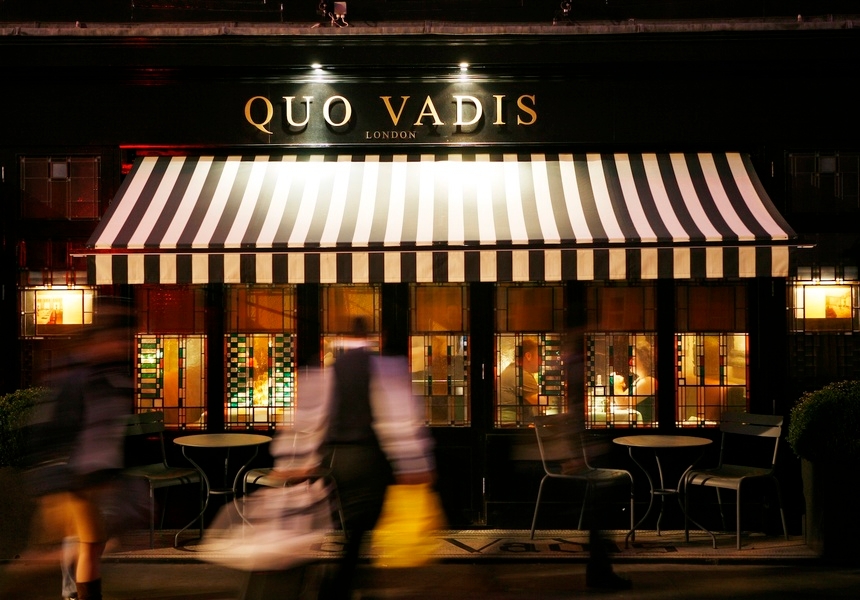
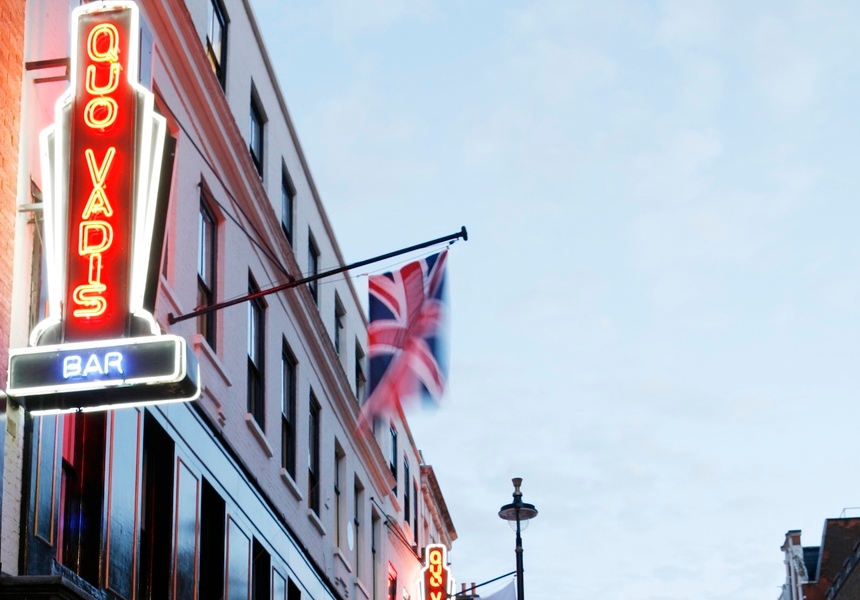
Quo Vadis the restaurant opened 100 years ago, but the building in which it’s housed, built by a carpenter called John Nolloth, dates to 1734. Since then, it’s been home to a sculptor, a composer, a brothel and, most notably, Karl Marx, the German philosopher and revolutionary socialist. It was this building that first lured current custodians Sam and Eddie Hart.
In 2007 the brothers opened tapas restaurant Barrafina to great success and were on the hunt for another site. “We were always walking up and down Dean Street looking at this building, which at the time was owned by Marco [Pierre White]. The stained-glass windows, the revolving doors – it was amazing,” Sam remembers. When it came up for sale, the Harts snared it. They had the right background and the right building. They just needed the right person to light the spark. “And obviously that was Jezza.”
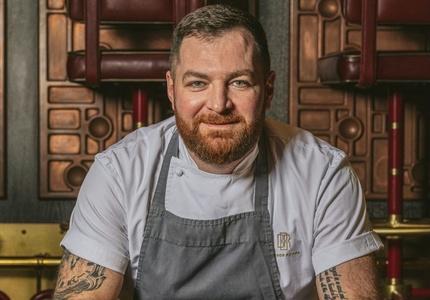
Indeed, what lures most people these days is the promise of its chef-proprietor Jeremy Lee. They come for his presence – the broad Dundonian accent, the booming “Darlings!” and the infectious laugh – and they come for his cooking.
Naturally there is more to Quo Vadis than this, and Lee – an award-winning chef who only ever calls himself “cook” – would blush deeply at the idea that he is anything more than a cog in this venerable machine. But if you ask anyone, guest, critic, club member or managing director, to name the current incarnation of Quo Vadis’s ineffable spirit, they’d say it is Jeremy.
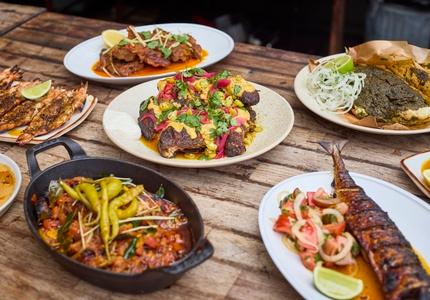
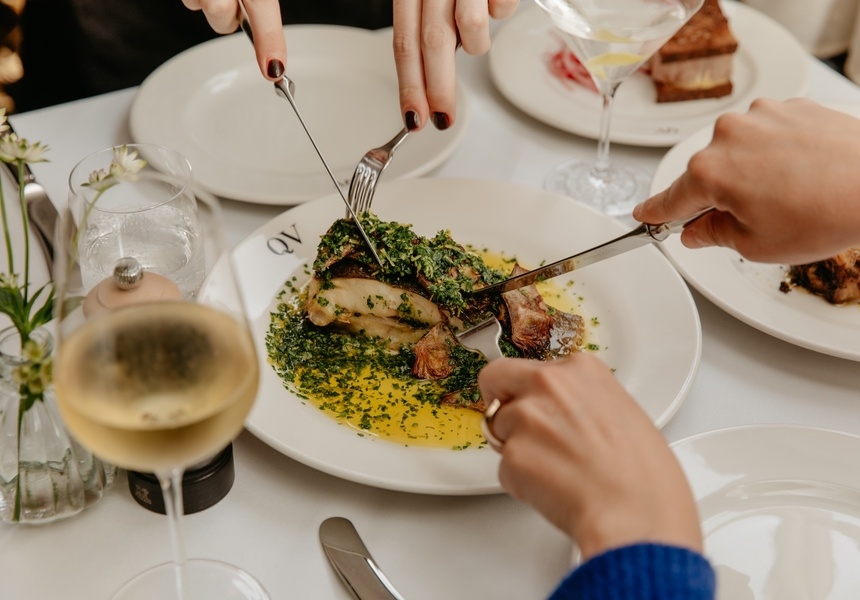
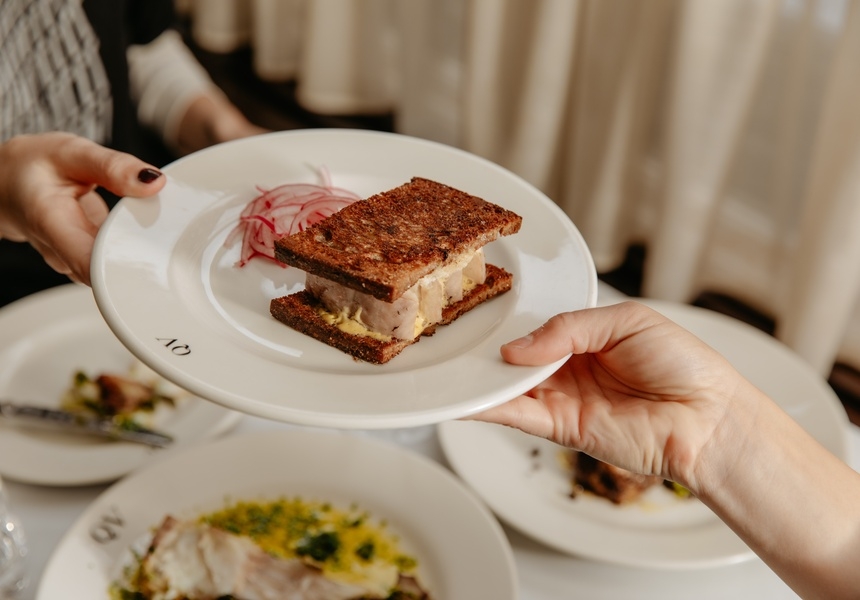
“His personality informs everything,” Times columnist Giles Coren tells Broadsheet. Coren was one of the first critics to try Lee’s debut Quo Vadis menu. “It was legendary, and it remains legendary,” he says. And it included the eel sandwich that Lee brought with him from Blueprint Cafe. “I must have been one of the first people to eat it.” The snack was born out of Lee’s hungover craving for a bacon sandwich. “I hadn’t yet sliced the bacon, and there was a smoked eel being prepared,” Lee recalls. “So I grilled some sourdough bread and had eel with some picked red onion and horseradish – and it was good enough to put on the menu.”
The sandwich is the only dish to have stayed on the Quo Vadis menu throughout Lee’s 14-year tenure. “It was just a naughty nibble, but people have wolfed it,” he marvels. Some diners have even been known to leave the restaurant when they find the dish has sold out. They are fools, Coren says. Lee’s menu is one of the crown jewels of London’s dining scene. Together with “two bumptious, brilliant English boys”, Sam and Eddie, Lee created a rare beast on Britain’s culinary stage: “a proper fucking restaurant”.
The Foundations
It’s been a century since a plucky young waiter from Lake Maggiore, Peppino Leoni, dubbed his newly acquired Dean Street address Quo Vadis – inspired by a billboard advertising a film of the same name – and declared that he’d be going nowhere. His exact words – “I shall die on the carpet” – became immortalised in his subsequent autobiography, along with lasagne verde: the dish he allegedly introduced to Britain. Marco Pierre White, who bought the restaurant 70 years after it opened, had large shoes to fill – and he didn’t shy away from making a statement, commissioning fellow enfant terrible Damien Hirst to create its artwork. By 2006 White and Hirst had fallen out and Quo Vadis’s reputation as a restaurant had “gone off the boil”, Sam observes. The Harts picked it up, and applied their much venerated, multigenerational expertise in creating great restaurants (their parents are also renowned restaurateurs).
Giles Coren: I was here when it was a building site, wandering around in a hard hat. I’d become friends with Sam and Eddie after reviewing their first, Fino, and when they opened the club upstairs they made me a member. I had my wedding afterparty at the club, I loved it so much. I loved that it was sophisticated and bright – and I loved the food.
Margot Henderson, executive chef at Rochelle Canteen and founding QV member: I used to go when Marco had it, but it was very exciting when the Harts decided they were going to delve in. Fergus [Henderson] and I lived in Covent Garden then, so we were regulars at Barrafina. I will always remember the silver-plated wine coolers. The restaurant was vibrant, and they made it so posh, in their Hart style. I was chuffed when they asked me to be a member. There were always great people there. They brought the Soho community together.
Jeremy Lee: When Sam and Ed first opened, everyone piled in. It was the last word in luxury, the most exquisite luxury. With its silverware and glasses it glowed and twinkled like the Orient Express.
The Chef
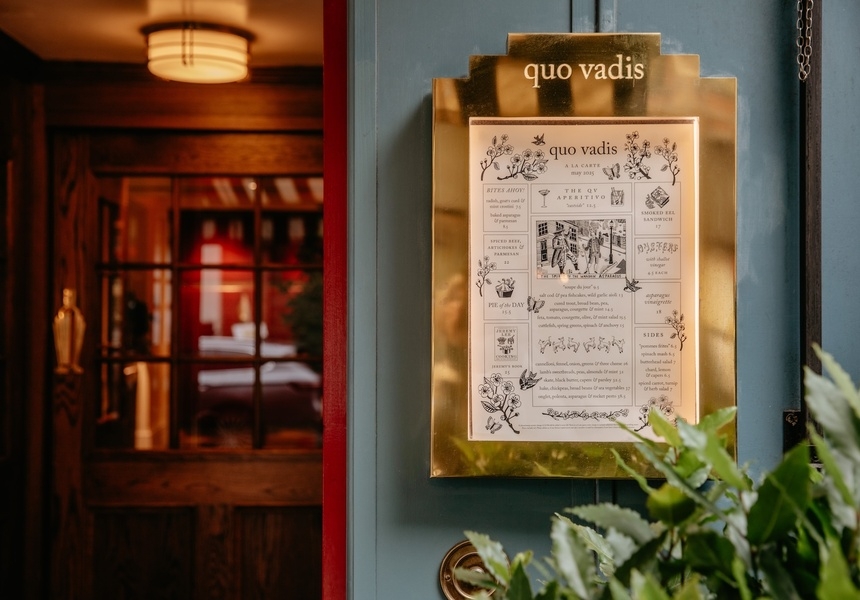
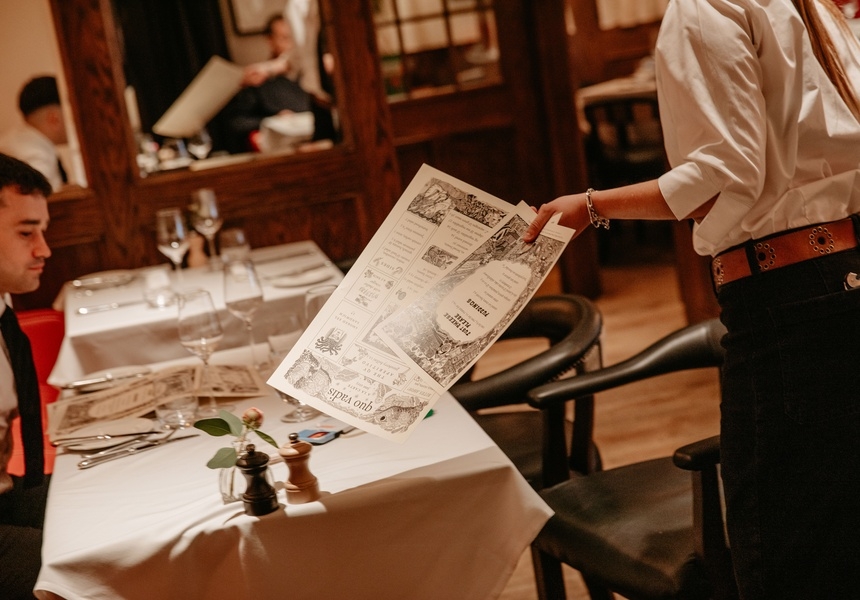
Jeremy Lee arrived in 2012, after 18 years at Blueprint Cafe in the Design Museum, as Soho’s gastronomic star seemed to be waning. He brought critical acclaim (Coren wasn’t the only one writing rave reviews; Jay Rayner, Fay Maschler and Nick Lander all followed suit – and still dine there regularly), a new crowd and a menu more focused on creativity and vegetables. To mark his arrival, the Harts redecorated the dining room in a more minimalist style, but “the real thing was the menu. It was more inventive and exciting,” Sam says. Its design was born out of a “marriage of three J’s: John [Broadley], Julian [Roberts] and Jeremy”, Lee recalls. Roberts brought the graphic design, Broadley brought the illustration and Lee brought the food. “It became this work of art.”
Lee: Quo Vadis was hesitant in its identity when I first arrived. It was a British restaurant with a French head chef and an Italian history, and what we wanted to do was bring these elements together. I’d been classically trained, I was brought up in Scotland, and was able to bring a very grounded knowledge of Italian cooking, because I was lucky enough to work with Alastair Little. Italian food has a rich history in Soho, in the delis, restaurants and coffee shops that have been blown almost entirely away. There is very little left, so holding onto it struck me as important.
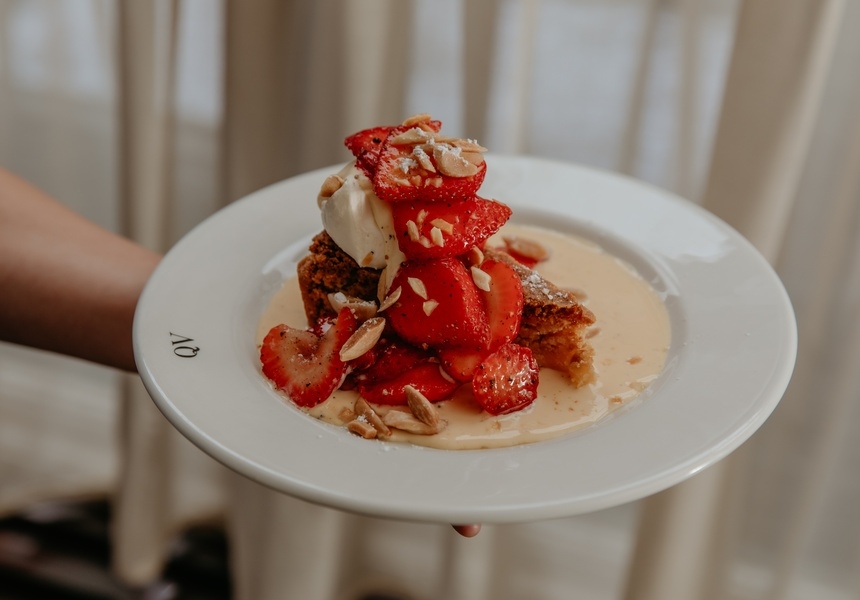
Ed Cumming, journalist and long-time club member: The usual rule of a membership club is that the food is terrible. But the food is very good at Quo Vadis, because it’s principally a very good restaurant. It has the best puddings of anywhere, restaurant or club; I don’t know anyone better at a meringue than Jeremy.
Frank Fletcher, head chef: You hear his laugh before you see him; he’s a presence in the building, as well as the food.
The Team
It’s the joy and enthusiasm of the Quo Vadis team that make this the best members’ club in London, and one of the UK’s best restaurants. The rule of thumb, applied to potential staff as much as potential members, is you’re someone who genuinely enjoys interacting with people and building a relationship with regulars. The rest, they feel, can be taught and encouraged.
Fletcher: Jeremy has always [harboured] young talent. We’d rather grow people within the team rather than employing more established chefs; that’s how you get the right sort of kitchen culture. I remember one of the first chats I had with Jeremy before coming to work here. He said, “Happy cooks make happy food,” and I fully agree.
Sam Hart: What we’re looking for in a staff member is slightly different to what you’d be looking for in a normal restaurant, [where] you don’t have regulars to the same extent that you do in a club. If you’re someone who enjoys chatting to loads of people, many of whom you’ve developed with over many years, this is an amazing place to work. It’s not for everyone, but those that like it stay for a long time.
Saskia Baron, assistant general manager: I had a Zoom interview with Paolo [Meneghini, then bar manager], because it was still kind of Covid-y and I was in Norwich, working in a pub. I had no idea about cocktails, so when he asked me what my favourite drink was, I said “Tequila and apple juice” – and that, apparently, got me the job. Paolo thought it was hilarious.
Paolo Meneghini, bar manager 2019–2023: There were genuine moments where I felt closer to Saskia and Gisella than people I have known my whole life. Our energy, complicity and chemistry on the floor during work is not something that happens everywhere.
Gisella Rizzi, floor manager: In Sunflower, my cafe in Mayfair [which she owned and ran for 18 years], I grew used to building up a rapport with people, and I like that about Quo Vadis. Every restaurant has its regulars of course, but here you get to know them. I always sit down, I ask how it’s going, blah blah, and then go off on my way.
The Club
The first sign that Quo Vadis is different to other clubs is that it comes recommended by a cheesemonger. And a food writer, and a lawyer, and a comedian. This is not a club that recruits according to type. “It’s evolved steadily over a long time,” says Sam, “but we’ve always had an eclectic crowd. We’re not going to pigeonhole people by profession, any more than by what they look like.”
Cumming: It has that feeling of walking in, tossing your hat on the stand and saying, “Morning James.” They are relaxed about the commercial aspects – you never feel like you are being shaken down – and it comes without preconceptions. It’s a Goldilocks place: not too big, not too small, not too stiff or seedy, not complete chaos but certainly not rigid.
Baron: You couldn’t rattle off a list of what makes a QV club member any more than you could what makes a QV staff member. It just has this gravitational pull for nice, fun people.
Henderson: They’re hands on. They bring themselves to it, and they bring a great crowd. They enjoy it and if they are enjoying it, we enjoy it too. It’s a nice space – a bit louche – and they have a great smoking area and great cocktails. They stick to the classics, which I love.
The Secret
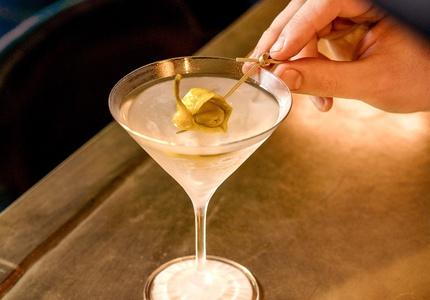
The long and enduring success of Quo Vadis demands many parts and people. Everyone I have spoken to has cited someone or something else upon whose shoulders the grande dame rests: the artists who adorn her walls, the members who keep the bar propped up, the guest chefs, the staff, the cold Martinis. Yet there are common qualities throughout: fun, happiness, tolerance, and an appreciation for life’s finer things.
Coren: The secret is the way it looks, the way they work, the way the light falls through the window, the way it’s properly sophisticated in a way that most restaurants aren’t anymore, in a Soho that’s becoming more and more corporate.
Crispin Somerville, managing director: Quo Vadis is one of those rare buildings that will broadly stay in its guise for a long time to come. That requires a certain foolhardy approach, and its various owners have been hellbent on ensuring not just its survival but also its flourishing as a uniquely welcoming space in the centre of London.
Sam Hart: It’s only had four owners in 100 years, and someone has always been mad and stupid enough to take it on. And it’s in the middle of the best street in London’s Soho, which quite frankly means it is in the middle of one of the best streets in the world.